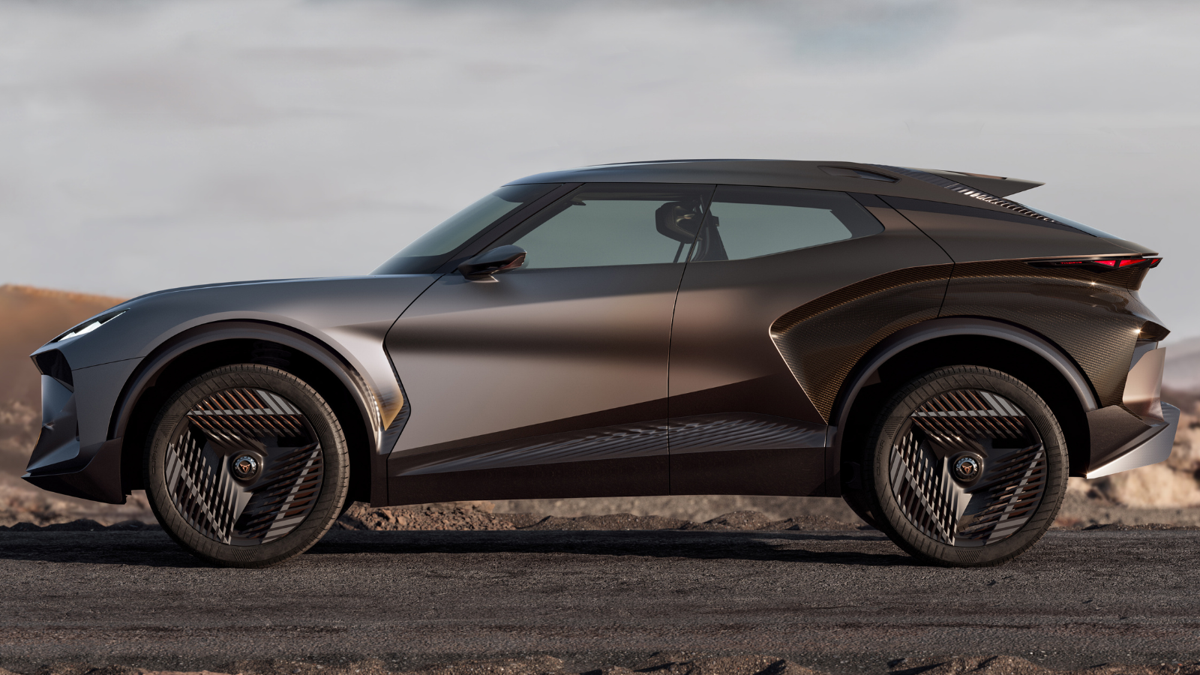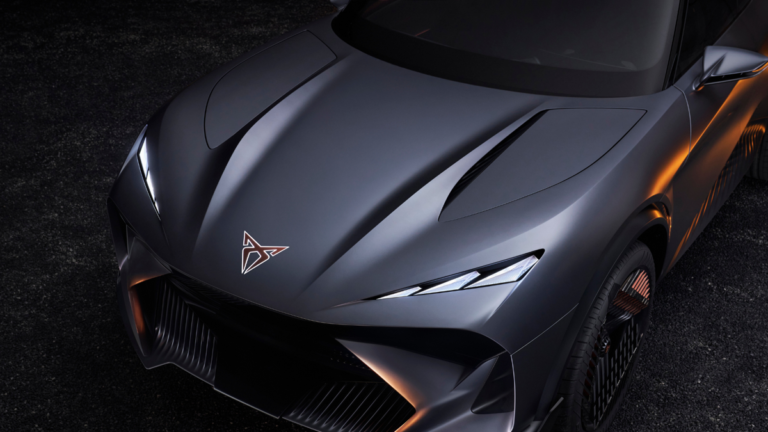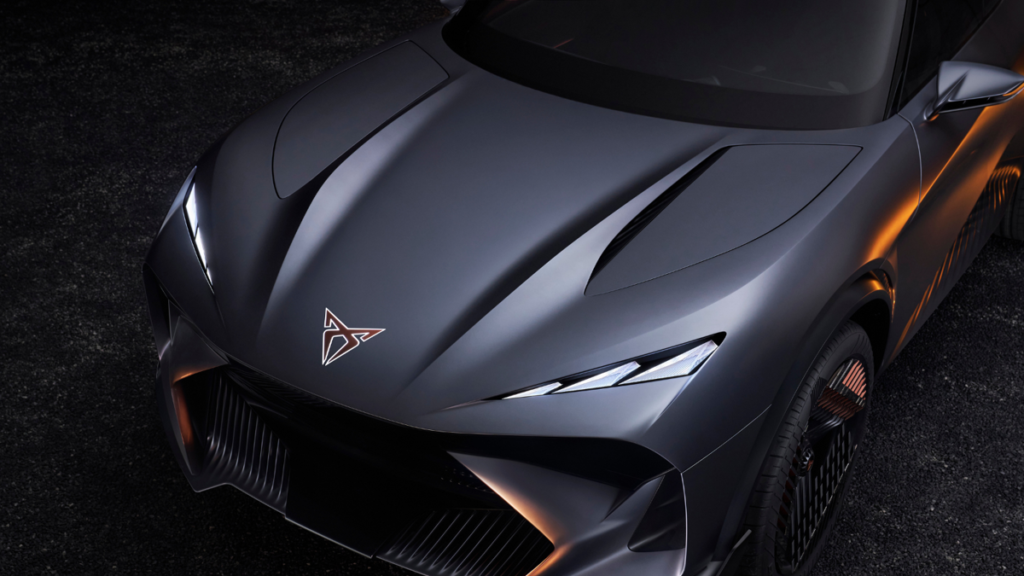
The Volkswagen Group is evaluating a proposal to systematically phase out the Seat brand by the end of the decade. Internal corporate documents prepared for the supervisory board indicate that financial and strategic resources currently allocated to Seat will be redirected toward its high-performing performance spinoff, Cupra.
While Volkswagen Group has officially declined to confirm the decision, a statement from Seat Cupra UK noted that the organization is undergoing a significant transformation driven by electrification and changing market conditions. The proposal marks a major strategic transition for the 76-year-old Spanish automaker, which was fully integrated into the Volkswagen portfolio in the 1980s.
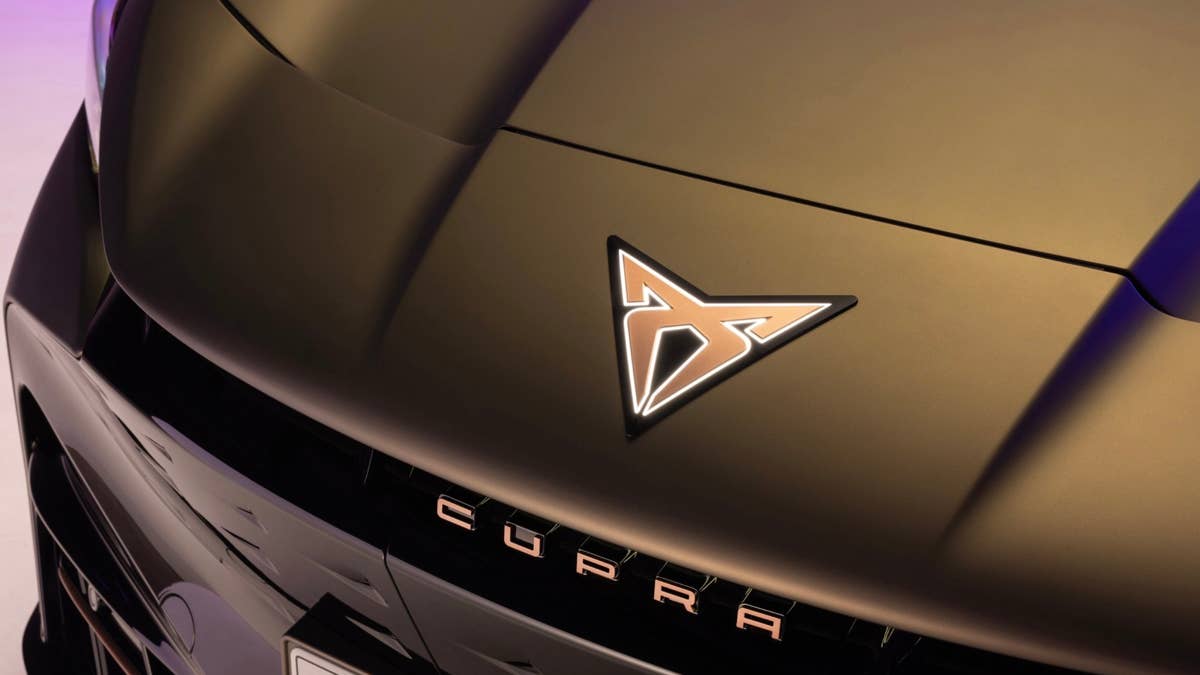
Cupra
Part of VW’s Sweeping Cost-Cutting
According to a report from the German outlet, Wirtschaftswoche, the reported decision aligns with a broader corporate cost-cutting plan within the Volkswagen Group. It is aimed at streamlining operations, reducing manufacturing capacity, and improving margins amid challenging economic headwinds. The restructuring program could potentially affect up to four German production sites as the conglomerate seeks to lower fixed overhead across its multi-brand architecture.
Sales metrics highlight the operational rationale behind the proposed shift. In 2025, Cupra deliveries rose by 32.5% to a record 328,800 vehicles, whereas Seat sales dropped by 17% to 257,400 units. The momentum continued into the first half of 2026, with Cupra delivering 170,100 units compared to Seat’s 129,600, giving Cupra nearly 57% of the combined volume for Seat S.A.
Under the proposed strategy, Seat will be phased out in an orderly manner through 2029 while ensuring existing warranty and service obligations are fully met. Seat’s manufacturing infrastructure, sales operations, and product lines will progressively transition to Cupra, which Volkswagen targets to grow into a brand delivering between 500,000 and 600,000 vehicles annually.
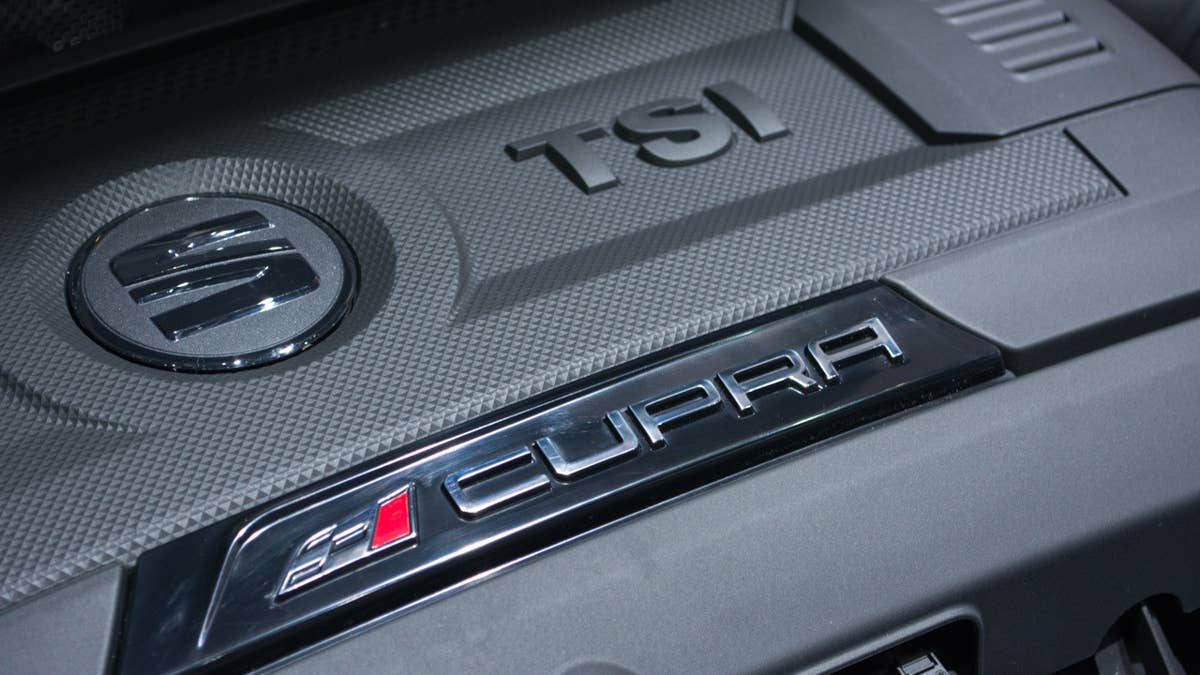
Copyright 2014 Brandon Turkus / AOL
Not the First
Retiring a long-established marque is a complex undertaking, yet establishing a performance sub-brand into a standalone entity is well-documented in the automotive industry. Hyundai launching Genesis as a dedicated luxury brand demonstrated how higher margins can be achieved, while Dodge establishing RAM as an independent truck maker proved the viability of focused market segmentation.
Ultimately, Volkswagen’s strategic shift reflects the financial realities of modern automotive manufacturing. With high development costs for electric platforms and tightening margins on entry-level models, consolidating resources behind Cupra allows the Group to maximize return on investment while maintaining its production presence in Spain.