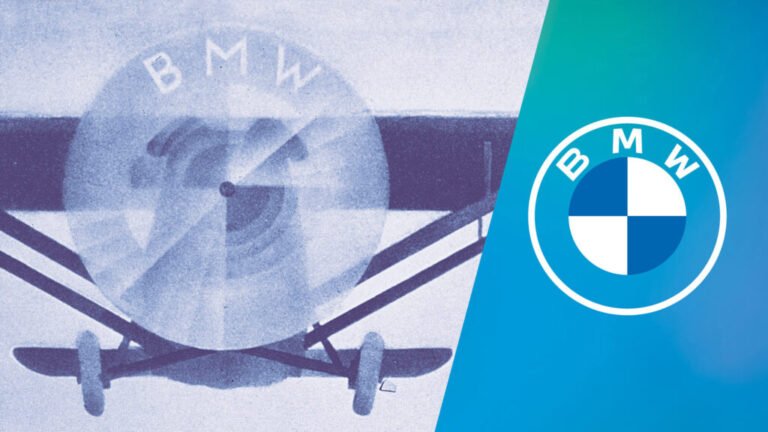
- BMW debunks the propeller myth for their badge.
- The logo combines Rapp’s black ring with the Bavarian colors.
- Trademark laws forced BMW to flip the colors on the quadrants.
If you ask the average automotive enthusiast to explain the meaning behind BMW’s famous roundel, you’ll likely hear the same old story about the spinning propeller blades. While that sounds fitting for a company that produced aircraft engines, BMW has once again set the record straight.
This is not the automaker’s first release on the subject, and it probably won’t be the last. The propeller version has proven almost impossible to kill, helped along by the inconvenient detail that BMW invented it in the first place.
More: BMW Sneaked Out A New Badge And Almost Nobody Noticed
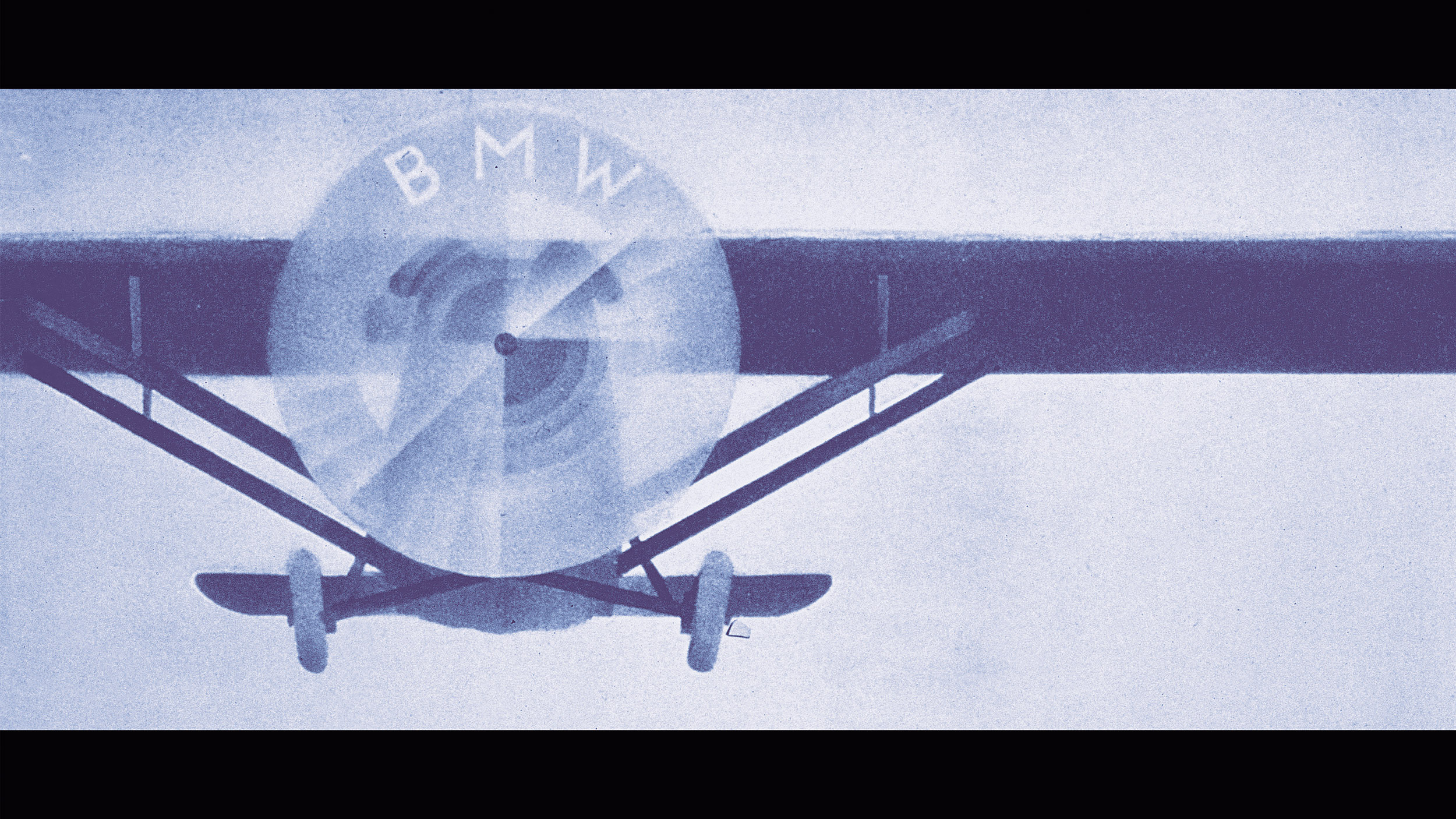
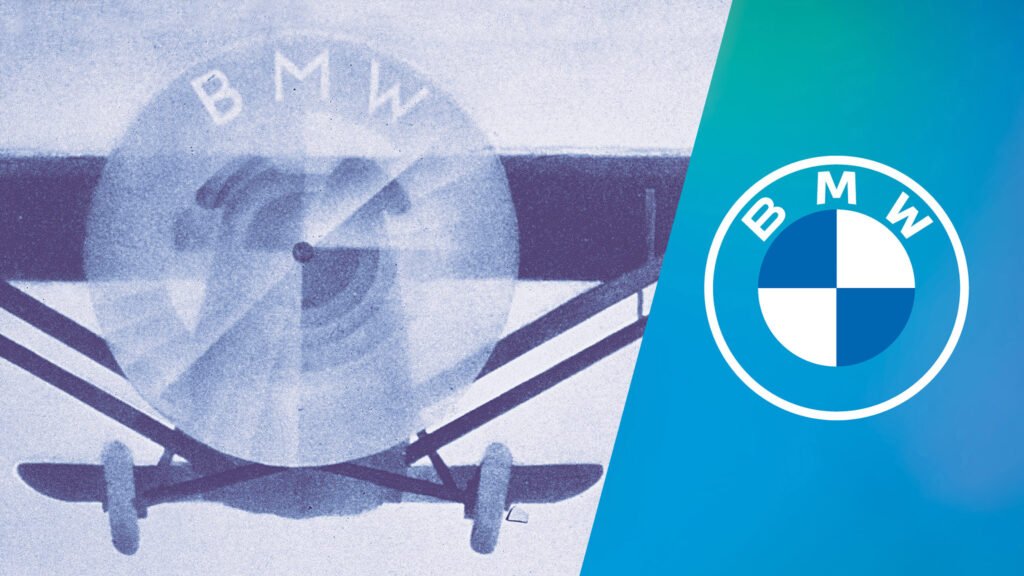
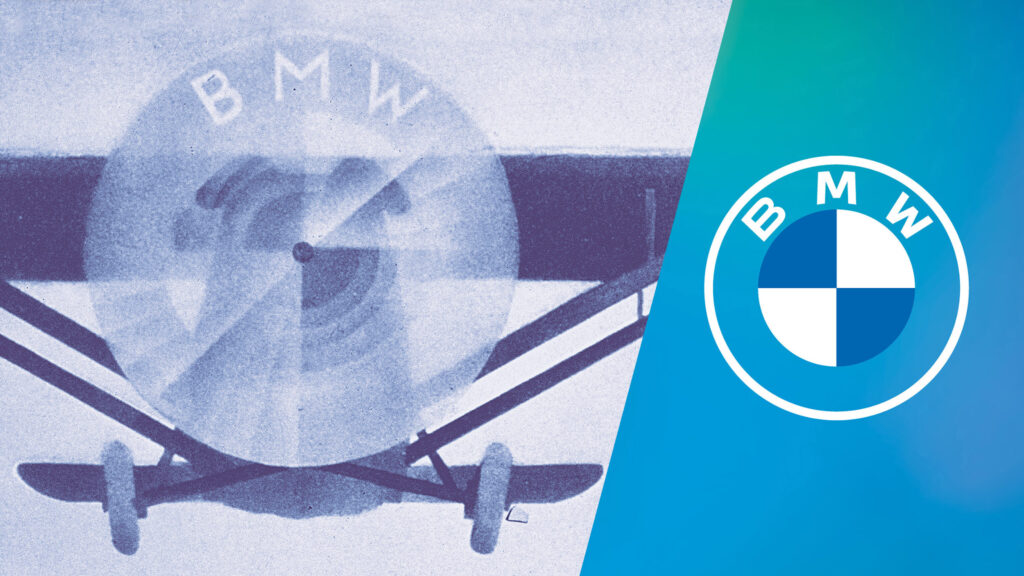
The widespread misconception has its roots in a print advertisement from 1929, more than a decade after the trademark was officially registered. The vintage print showed the roundel overlaid on the spinning propellers of an aircraft.
If we ignore the historical background of BMW as a primary supplier for the German military through both World Wars and the stories about forced labor, combining the logo with the propeller was a pretty cool idea from a marketing standpoint. The visual imagery proved so striking that the public accepted it as the badge’s literal inspiration.
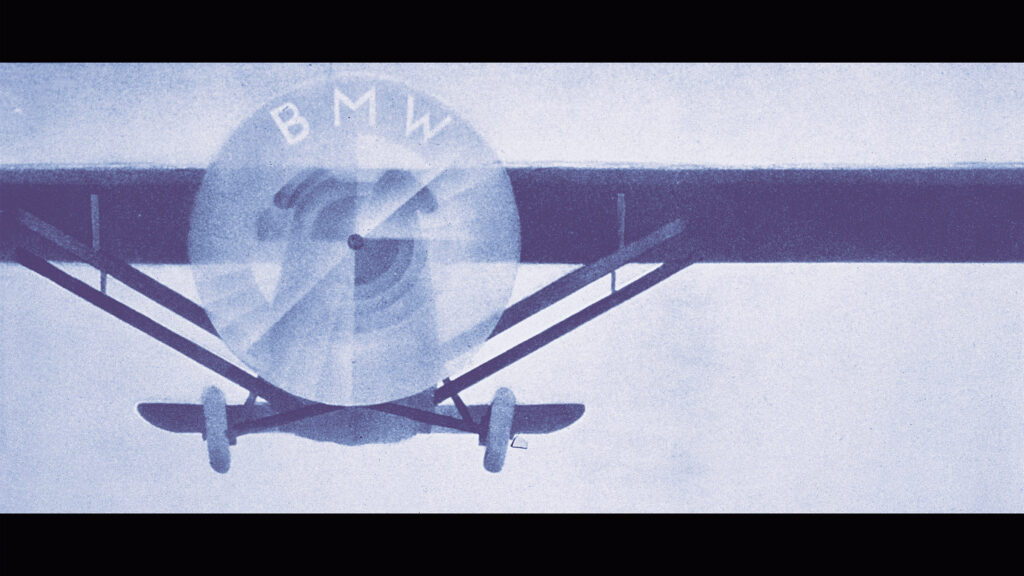
BMW
To make matters worse, BMW reinforced the false connection in a 1942 company publication, turning it from a marketing narrative to an official story. Still, historical documentation confirms that the emblem has a different source of inspiration.
More: Driven Just 9K Miles, This 1977 BMW E21 Is About As Frozen In Time As It Gets
While Bayerische Motoren Werke GmbH was already an established aero engine manufacturer when the roundel was registered in October 1917, its designers simply combined the black outer ring from the badge of predecessor company Rapp Motorenwerke with the Bavarian state colors in the center.
An interesting detail is that local trademark regulations didn’t allow the colors to be reproduced exactly as they appeared on the state flag, forcing BMW to invert the order within the four quadrants of the roundel to avoid potential legal action.
From A 1923 Motorcycle To The Neue Klasse
BMW
The iconic emblem made its road debut on the 1923 BMW R 32 motorcycle, six years after it was registered. As for production automobiles, the first one to use it was the 1929 BMW 3/15 PS DA 2.
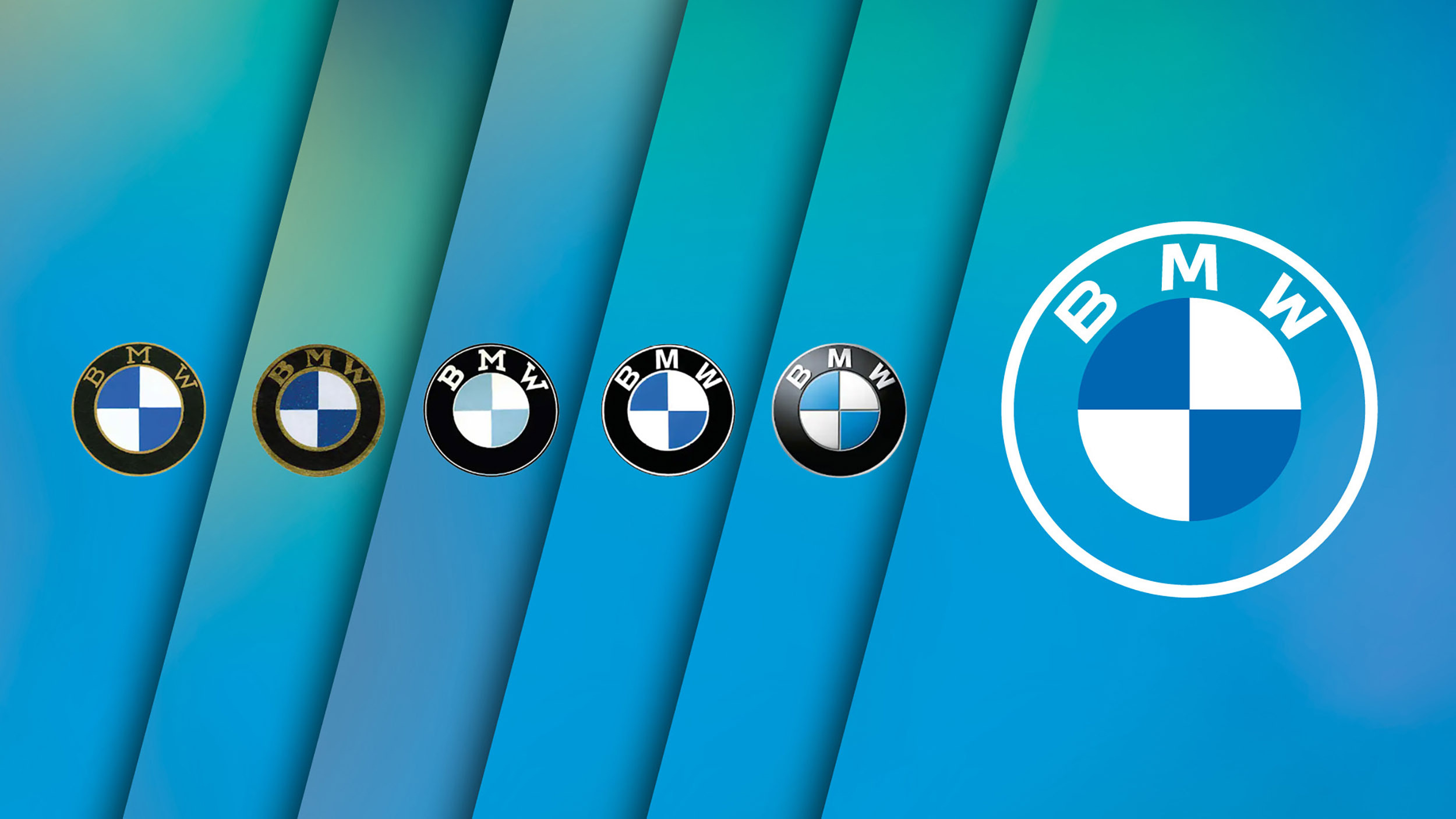
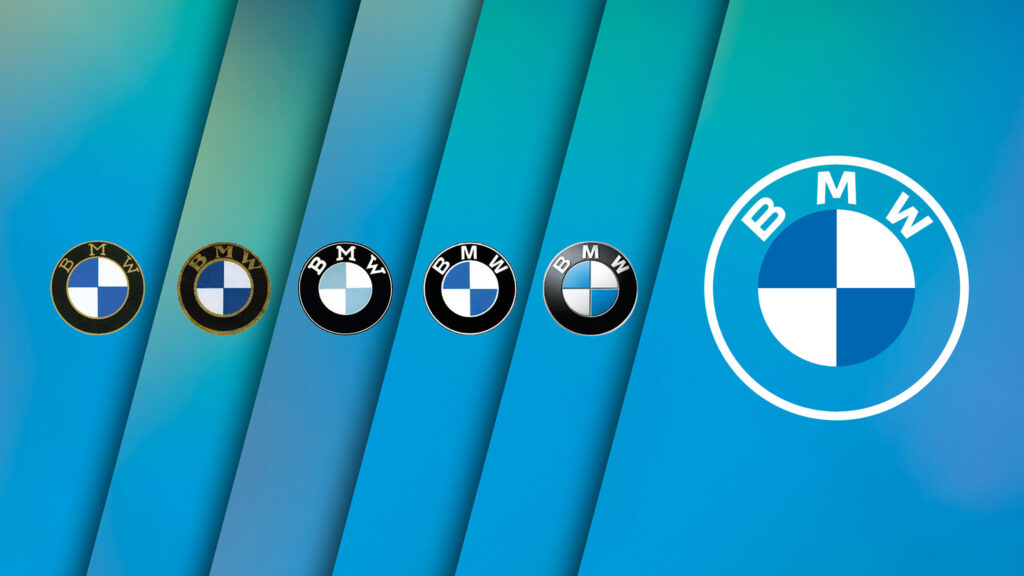
The layout of the BMW roundel has remained remarkably consistent over the years, although it has undergone refinements to keep pace with the design trends. The original badge from 1917 featured gold lettering and matching borders around the quadrants, which became bolder in the 1933 update. The redesign of 1954 brought white typography and a lighter shade of blue, moving into a simplified version in the ’70s.
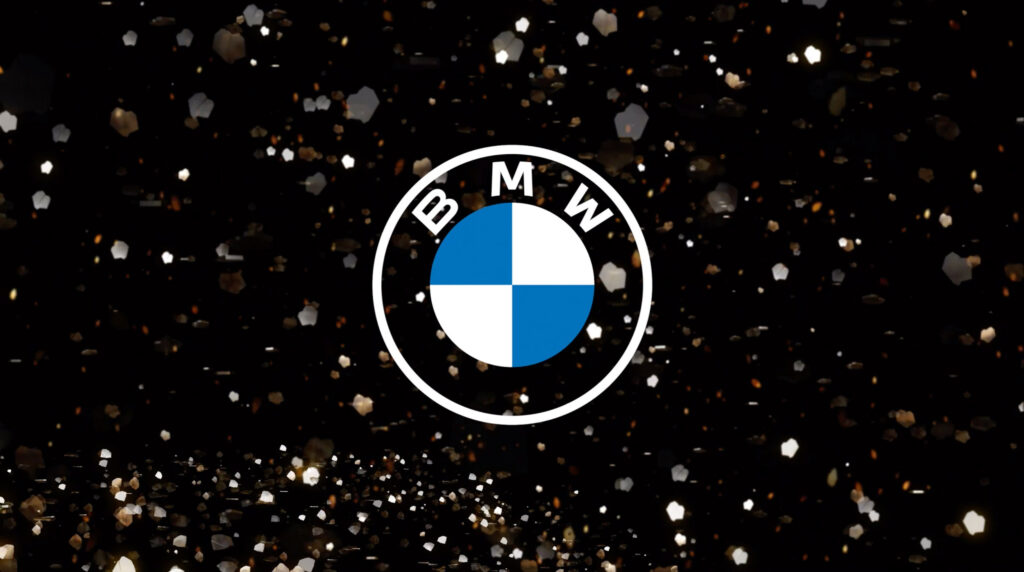
Fast forward to 1997, the BMW logo adopted a three-dimensional metallic look. Finally, the flat transparent roundel arrived in 2020, although the actual badge on BMW models retains the black ring. The latest revision was applied in 2025, with the Neue Klasse iX3 wearing a slightly different badge without the inner chrome ring.
BMW