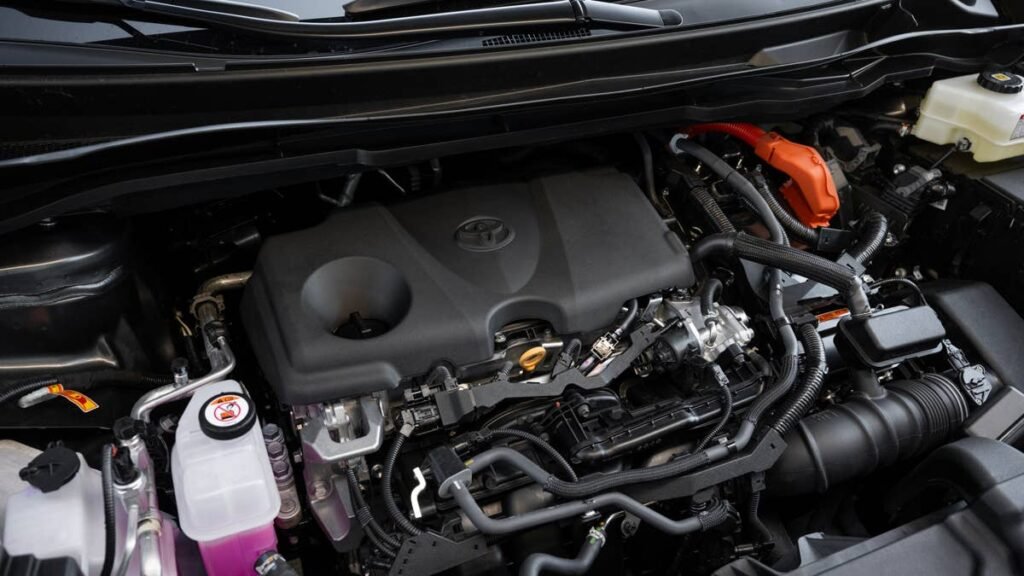
Not so long ago, hybrids seemed like an automotive fad, but the Toyota Prius proved that the hybrid powertrain could work. It conditioned the world to accept battery-assisted driving, achieving astonishing 50-mpg figures by wrapping a small engine combined with electric backup in an aerodynamic teardrop. But while the Toyota Prius was the pioneer, the Toyota Sienna is arguably the brand’s most important hybrid in 2026. The Prius proved the concept; the Sienna proves that hybrid technology is significantly superior to internal combustion when the measures are power output and efficiency.
Toyota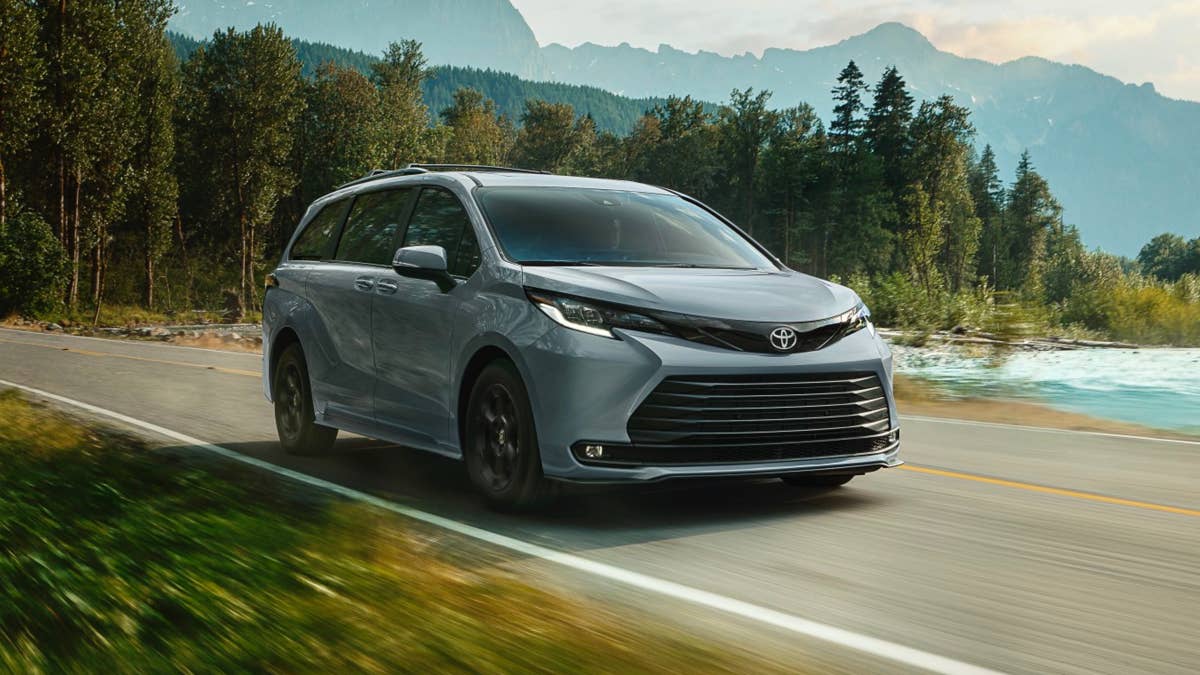
The Soccer-Parent Segment
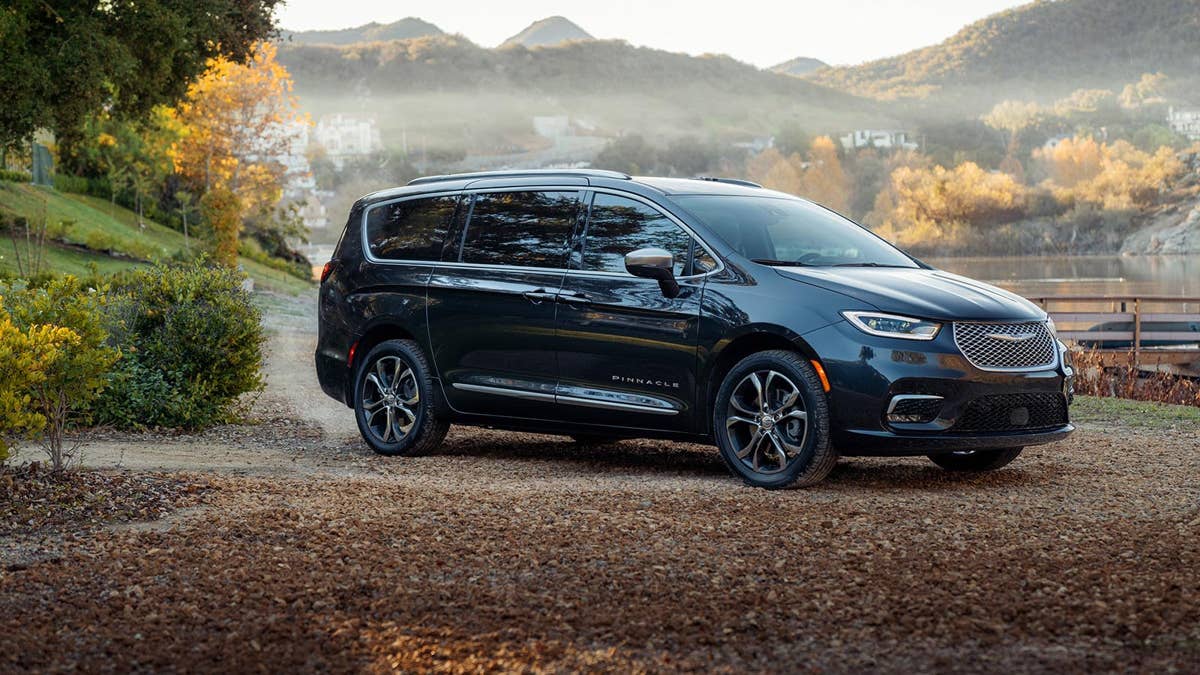
For decades, minivans relied on robust, torquey V6 drivetrains. Vehicles like the Honda Odyssey, Kia Carnival, Chrysler Pacifica, and Dodge Caravan used powerful 3.5-liter motors producing around 300 horsepower. On a long stretch of interstate, a traditional minivan can haul the family, hitting 60mph in 7 seconds, as in the case of the Kia Carnival, all while still returning mpg in the mid 20s.
However, to judge minivans solely on interstate performance would be ignorant, as most minivans are used for school runs, soccer drop-offs, and stop-and-go traffic. This is where the Toyota Sienna fundamentally reshapes the segment – and all other segments.
The 4th-generation Toyota Sienna dropped the traditional V6 for a 2.5-liter four-cylinder hybrid drivetrain – achieving an EPA-estimated 36 mpg combined. Considerably better than its V6 counterparts. A 7-seater family van being able to return 36 mpg, while producing 245 horsepower from a four-cylinder, is far more impressive than a compact car managing 50 mpg, as in the case of the Prius.
Beyond a Proof of Concept
The hybrid 4th-generation Toyota Sienna proves the scalability and versatility of hybrid powertrains. The genius of the Sienna lies in how it manages energy. In traditional V6 minivans, the combined EPA ratings plummet into the low 20s because getting a heavy vehicle rolling from a dead stop requires a massive fuel expense. The Sienna immensely outperforms these industry stalwarts by using electric motors to get the car rolling from a stop. The planetary gearset within its eCVT seamlessly blends gas and electric power, allowing the internal engine to operate almost exclusively at its peak thermal efficiency.
Of course, physics is still applicable. Load up the Sienna with seven people and their luggage for a road trip, and this 36 mpg figure falls to around 30 mpg as the weight forces the little four-cylinder to work harder. While the Sienna is the clear winner in the city when it comes to mpg, its mpg on the interstate is only marginally lower than its V6 competitors, giving the Sienna a massive win when it comes to combined mpg, saving families hundreds of dollars on their fuel expense annually.
Toyota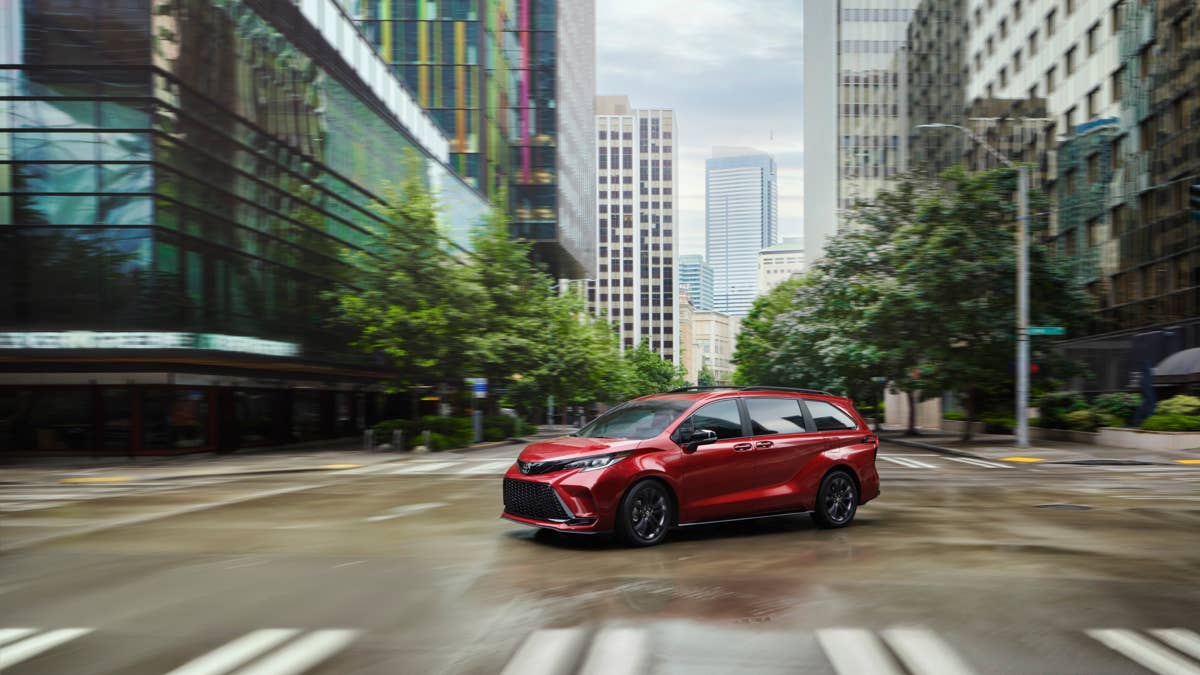
The Takeaway
The Toyota Sienna proved that hybrid technology is no longer just an eco-promise or a fragile hypercar’s power-maxxing drivetrain. It is a robust, scalable solution capable of outperforming traditional larger displacement engines in demanding, utilitarian segments of the market. The Prius started the revolution – the Sienna is winning the war.