Another Launchpad Delay for Tesla’s Halo Car
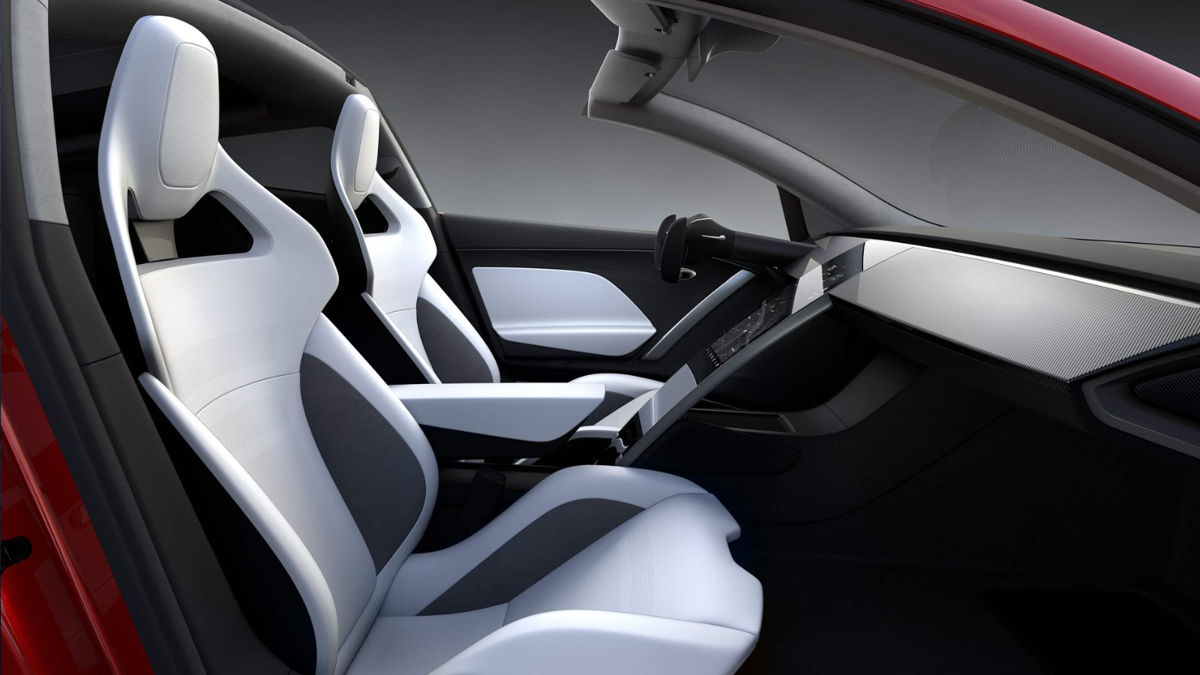
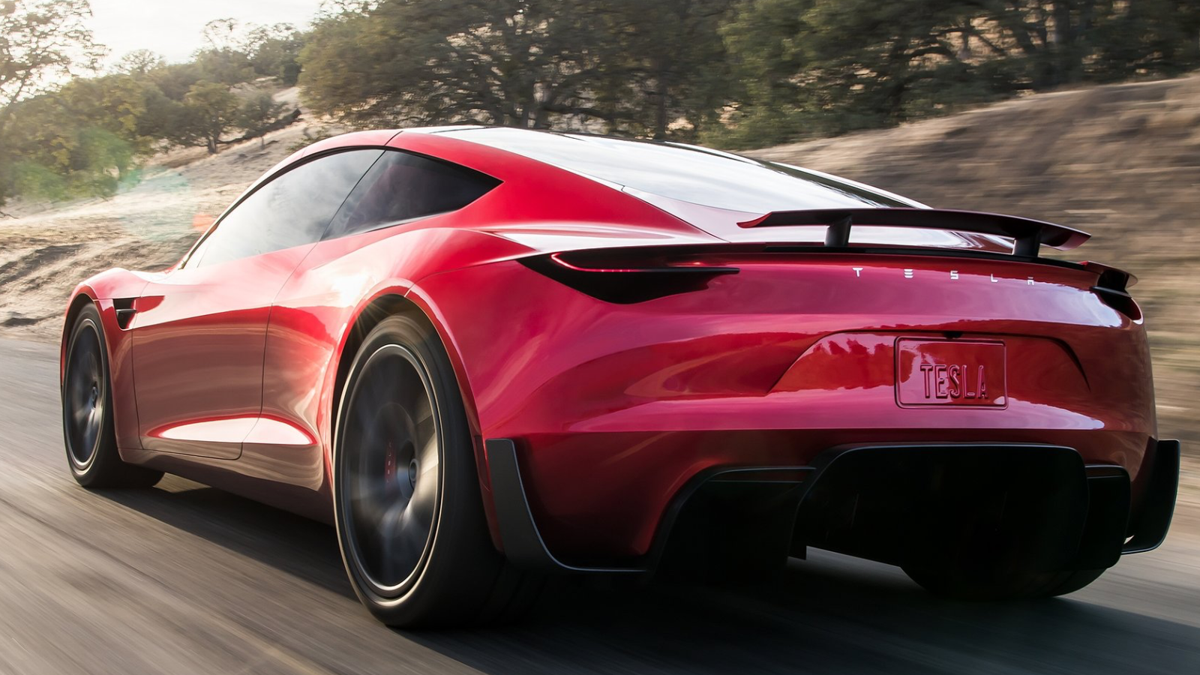
Tesla has once again shifted the timeline for its next-generation Roadster, pushing the long-promised public demonstration back to August 2026. This latest delay comes after Chief Executive Officer Elon Musk missed a string of self-imposed deadlines, including an April Fool’s Day target and subsequent promises of a late-spring reveal. According to The Information (via Carscoops), sources familiar with the project say Texas is now slated to host the event, where the electric vehicle is expected to show off its wild rocket propulsion technology.
While chief designer Franz von Holzhausen recently hinted that a digital teaser or social media preview could arrive within a few weeks to build buzz, history suggests fans should keep their enthusiasm in check. This is far from the first setback for the halo car, as the company has pushed back its public schedule repeatedly over the last few years. Nearly nine years after its initial 2017 reveal, the flagship EV continues to test the patience of the automotive world.
Inside the SpaceX Package and Production Plans
The primary culprit for the current delay is the complex engineering required for the extreme SpaceX option pack, internally codenamed A71. This wild configuration replaces the traditional rear seats with roughly ten cold-gas rocket thrusters developed in tandem with aerospace engineers. Musk claims this setup will enable a mind-bending zero-to-sixty mph sprint of just 1.1 seconds, while providing enough downward and lateral force to dramatically alter cornering and braking, and even allow the car to briefly hover off the ground.
Company executives reportedly witnessed an early internal test of this hardware in late April, but the system clearly requires further validation before it faces a live public audience. The protracted development cycle means that while the company selected a production facility for assembly, actual assembly lines remain quiet. The physical product has stalled so extensively that Tesla has resorted to renewing its legal trademarks just to keep the nameplate active while engineers figure out how to safely marry rocket science with consumer automotive safety.
The Lowdown
Putting cold gas thrusters on a production road car sounds like a recipe for public relations chaos. We are talking about the same manufacturer that famously shattered its own armored glass during the Cybertruck debut, so unleashing literal rocket tech on a public stage brings an entirely new level of regulatory and safety scrutiny. Interestingly, as Musk pushes harder toward a fully autonomous fleet of robotaxis, internal lore suggests this performance monster might end up as the sole vehicle in the lineup that prioritizes manual human control.
Ultimately, the biggest losers in this ongoing saga are the loyal reservation holders who plunked down massive, six-figure deposits nearly a decade ago. That capital has sat idle in Tesla accounts for years, missing out on significant returns that could have been realized if it had simply been invested in the open market. Until a real rubber-hits-the-road demonstration actually materializes in Texas this August, the rocket-powered Roadster remains the industry’s most expensive piece of vaporware.