Toyota, as it stands, is arguably the world’s most valuable carmaker. In order to get to that position and have stayed there for as long as it has, Toyota has made better decisions than most other manufacturers. Toyota’s EV strategy is no different. After allowing the market to develop over the years through its teething troubles, while taking a hands-off approach to EVs, Toyota accepted criticism as onlookers claimed that they were missing the EV wave.
The Big Picture
Fast forward to the present, at a time when automakers are scaling back their EV ambitions in the wake of a severe decline in EV sales caused by federal tax-credit subsidies being withdrawn, the Toyota bZ is now the best-selling non-Tesla EV in America.
Toyota USA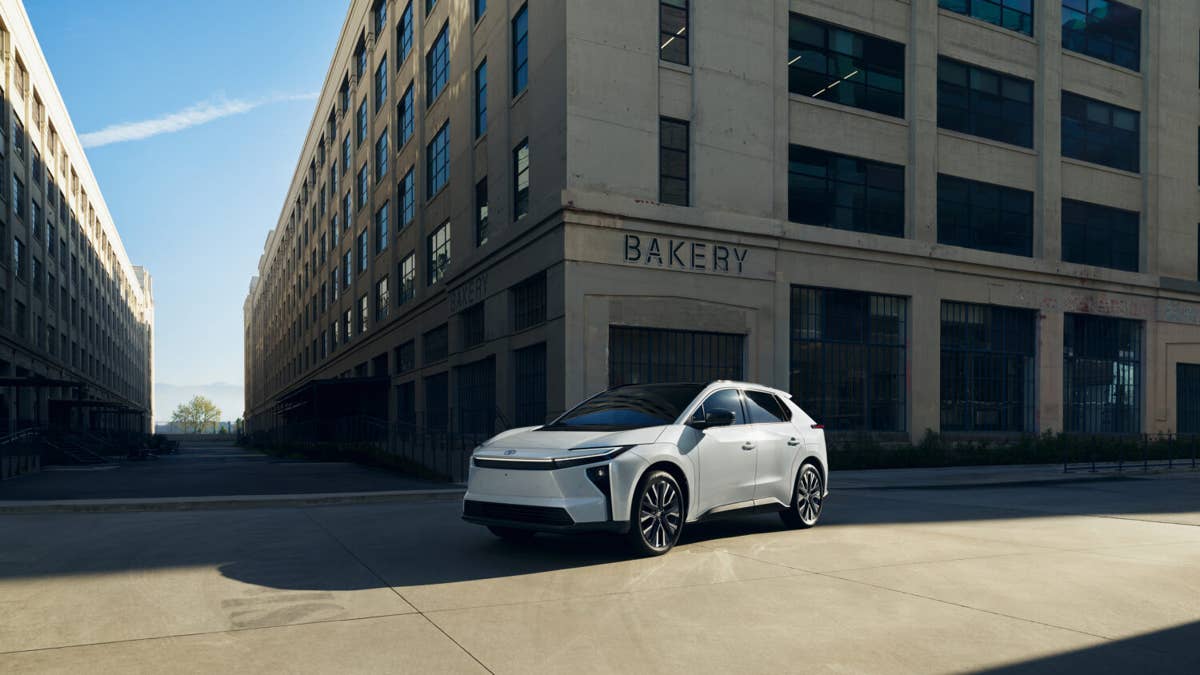
Toyota is about to blitz the market with an onslaught of new EV launches aimed at capitalizing on the changing EV landscape while the market weeds out the weak. So how did Toyota, after being so late to the party, not only make an impact but also deliver exactly what the mass market for EVs demanded?
Measure Twice, Cut Once
Toyota, having cornered the hybrid market as its hedge against foregoing the early EV market, used its hybrid success as the foundation on which to build its EV strategy; after a rather tepid introduction to the market with the bZ4X in 2024, Toyota received feedback from industry researchers, journalists, and its customers. They then distilled this feedback to come to a conclusion of what truly mattered to EV buyers. What they learned is that customers do not want a revolution in their driveway; they want a vehicle that works, that is practical, and that does not break the bank while meeting all their needs. As such, Toyota concluded that the core variables that define EV demand are range, reliability, ease-of-use, and in-car technology.
Toyota USA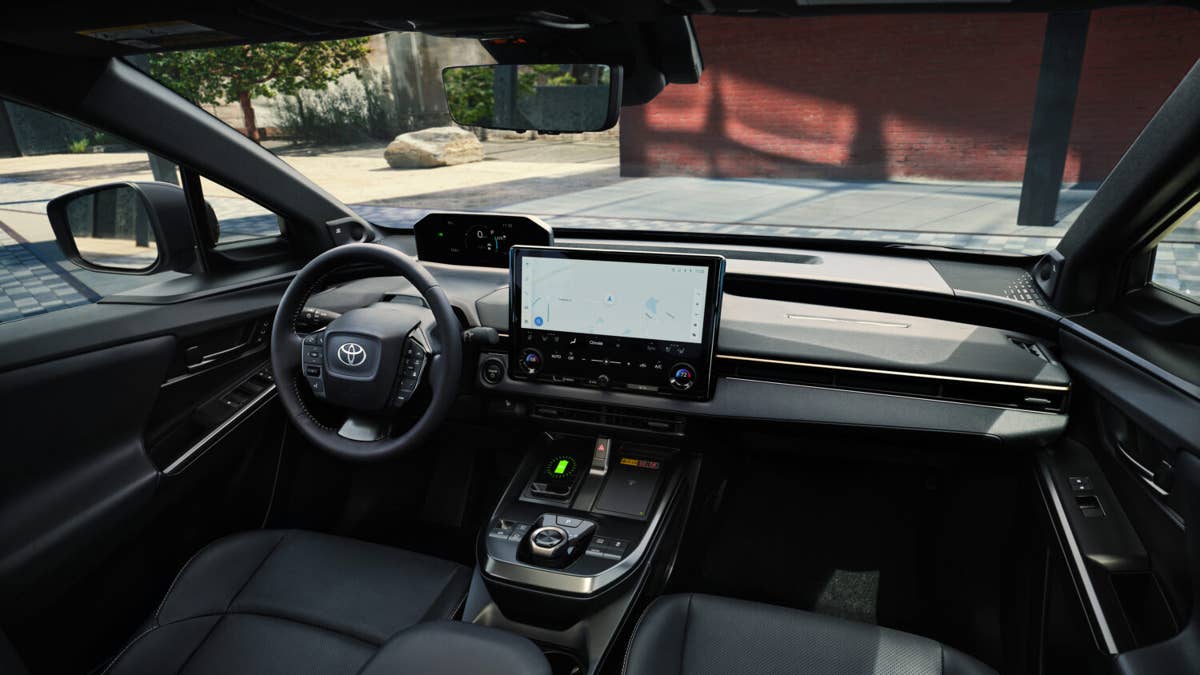
Toyota also learned that by simply watching the market crumble, year after year, as countries rolled back EV subsidies, the market shrank. Noticing the trend, where EV demand was guided by pricing and value, Toyota realized that buyers simply wanted a car that was cheap to run, could haul the family and groceries, and was well equipped; very little else mattered as long as the pricing made sense. An economic explanation would be the fact that cars around the $50,000 mark – which is the only segment of EVs significantly contributing to market share – display demand that is highly price-elastic. This means that demand reacts very sensitively to changes in pricing, and as EV subsidies are being taken away, this pricing shock means these cars offer a less compelling value proposition to buyers.
Sticking to Its Roots
If you think about it, Toyota has very rarely created cars that do more than exactly what they are designed to do – the vanilla ice-cream of the automotive world, if you will. Sure, it may not be as exciting as a chocolate chip V8 Mustang, but a vanilla GR86 is fun, practical, efficient, and will last longer at lower maintenance costs; variables that hold weight when it comes to influencing buyers
Toyota USA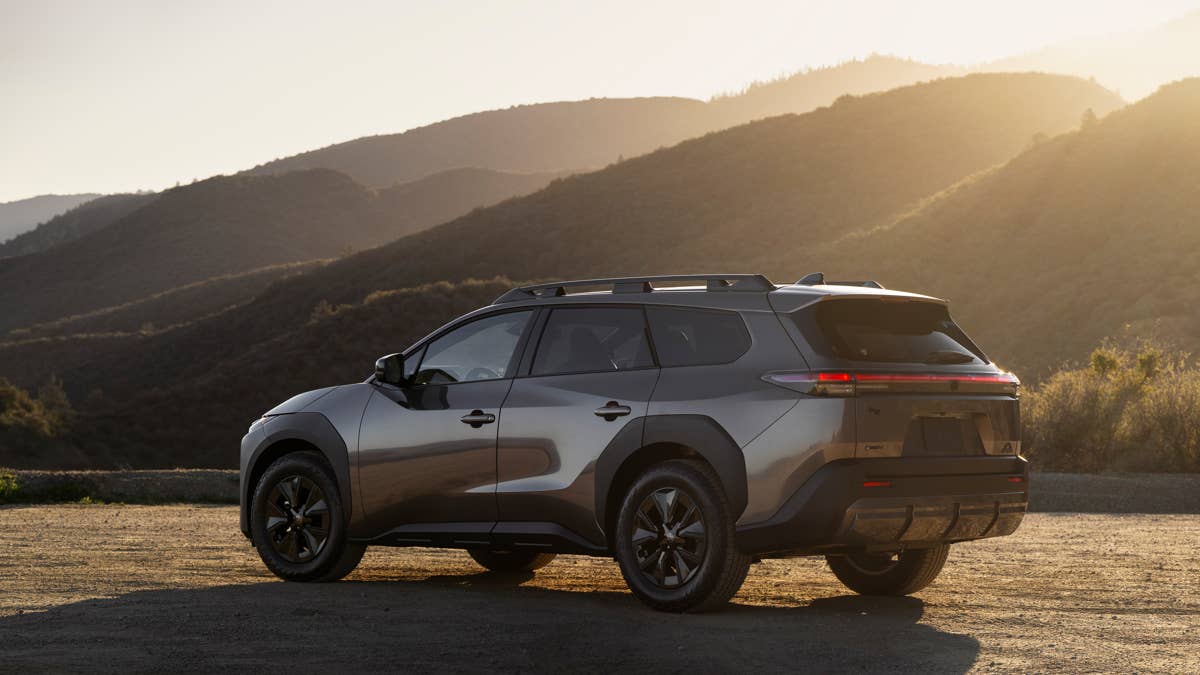
This same approach was applied to the bZ4X, and now, in 2026, can be attributed to the success of Toyota’s new electric crossover, the bZ. With range being bumped up to 314 miles, approximately 25 percent more than the bZ4X, the incorporation of Tesla’s NACS for all 2026 models, which effectively doubles the charger network compatibility across America, and a revised interior and exterior design to address ease-of-use complaints from customers of the bZ4X. Toyota has paused, listened to the market, and answered the prayers of EV buyers who just want a car that works, not one that is reinventing the wheel with spaceship looks, a yoke for a steering wheel, and a button that makes the car fly at Mach 3 while cooking you a hot dog.
What’s Next From Toyota?
With Toyota’s onslaught of new EVs, from the compact C-HR EV which targets urban buyers looking for a familiar experience while also wanting to transition to EV ownership, to its recently revealed 2027 Highlander EV offering electric power with three-row family SUV practicality, as well as the bZ and bZ Woodland – Toyota is looking to increase EV market share by offering a range of products, each of different sizes and capabilities, to its diverse consumer base.
Toyota USA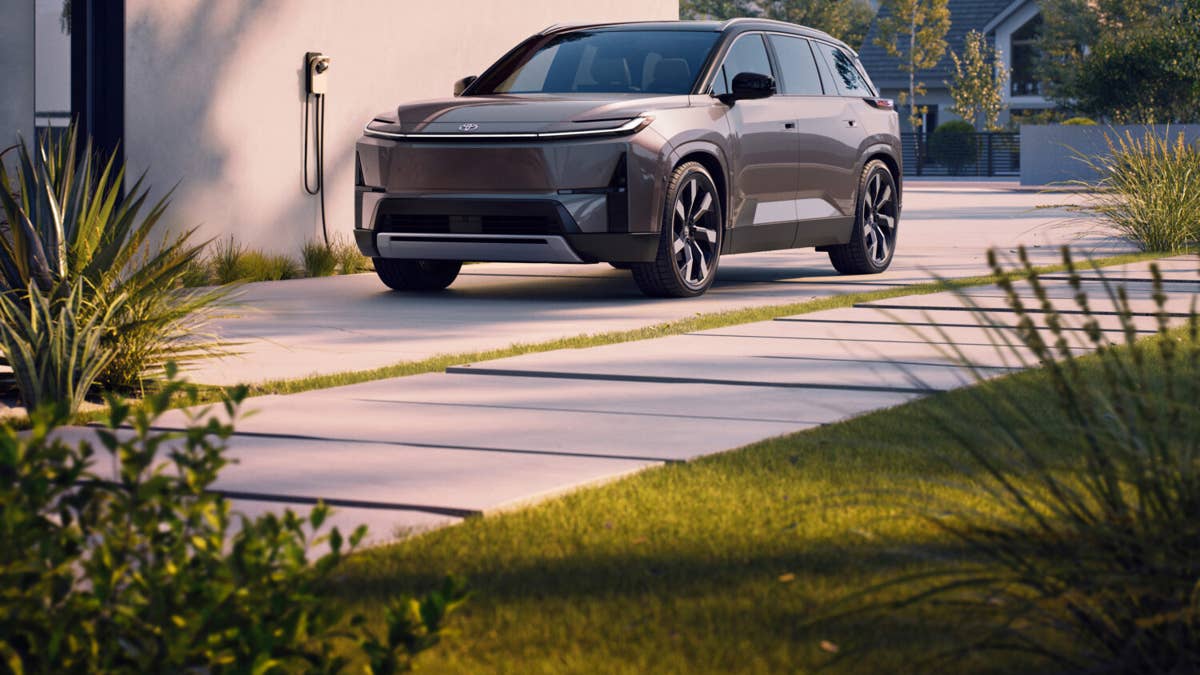
Having all but single-handedly grown America’s hybrid vehicle market, and owning almost all of the market share, Toyota waited, watched, and when the time was right with the market settling into its post-subsidy state which took out a significant chunk of the competition, with some automakers even reporting up to 60 percent declines in year-on-year EV sales – Toyota took a step back before delivering exactly what the market demanded. Toyota waited, watched, and delivered exactly what today’s EV buyers are asking for.