McLaren has had a tough time over the last few years. Quality was less than stellar, producing too many examples of almost any given product was hurting resale values, and the company’s finances were so bad that it had to sell its McLaren Technology Center in Woking and lease the property back. But all that is behind it now, says CEO Nick Collins in an interview with Autocar, and what comes next should make rivals worry. Collins says that McLaren is now debt-free and has “a bold plan to grow” into the sort of luxury brand that the price tags of its cars suggest it is. Let’s go through some of the notable highlights of this reinvention plan.
McLaren Won’t Be the Laughing Stock of the Supercar World Anymore
McLaren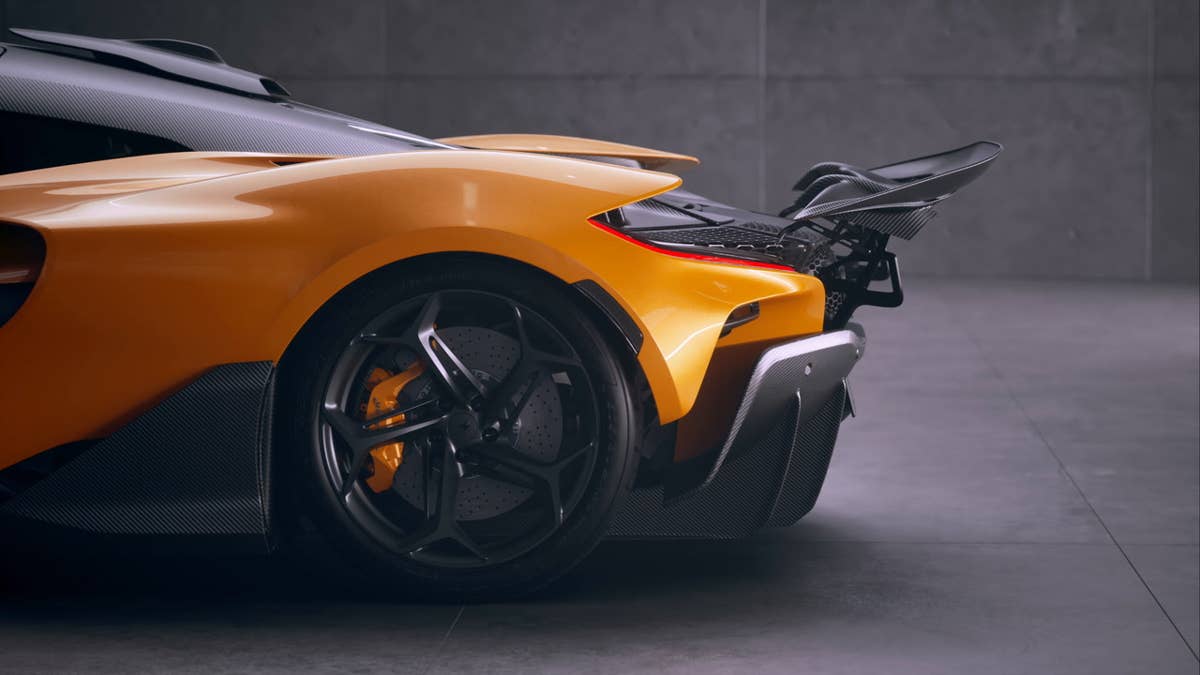
Collins says that the automaker has “really focused on quality,” improving its warranty by 80 percent and its production quality by more than 60 percent. Anybody who’s pressed on the dashboard of a 720S and seen and heard it move and creak knows that quality was not always McLaren’s strongest suit, and because it was so easy to buy a McLaren, with “too much stock” at dealers, resale values were poor. That won’t happen again, and McLaren wants to keep things as simple as possible.
“We didn’t take decisions fast enough,” said Collins. “We didn’t make complicated things simple to make things faster. Like a lot of car companies, we have a lot of acronyms, and I believe passionately in plain language.” To that end, McLaren has overhauled its internal infrastructure to better leverage new technologies, and it’s given its design team—now led by ex-Ford designer Kemal Curic—more room to breathe with a new design studio and full clay modeling studio in Bicester, an upgrade over the small space at the Woking headquarters. This is particularly important.
Related: McLaren’s New Hybrid Tech Could Boost Acceleration at Speed
Ferrari, Porsche, and Rolls-Royce talk a lot about how customization is key to survival and growth in the luxury sector, and McLaren intends to get up to speed in this realm by growing the McLaren Special Operations division. “We’ve got incredible craftspeople in MSO, and we want to broaden that offer,” said Collins. “We want more people to tailor their cars and increase personalization as a percentage of our total order banks.” That includes taking ideas from customers, hinting at the possibility of more special editions and one-offs. McLaren has already hinted at a heritage project to capitalize on nostalgia.
McLaren Poised for Growth, F1-Inspired Hypercar Possible
Mecum
Partly because of investments in EV technologies and being forced to delay or cancel related vehicles, and partly because of global economic turbulence, Collins believes McLaren’s rivals are now facing the sorts of challenges that McLaren dealt with last year. “My determination is to grab that opportunity before everybody else has settled their restructures,” said Collins. Thus, the next 12 months will be occupied by launching new products and clearly defining the McLaren vision. What those products will be exactly, Collins still won’t say, but a McLaren SUV won’t be the only new car. As for EVs, those will only come when customers want them, and right now, that’s not happening.
Collins also spoke about McLaren Automotive’s relationship with the McLaren Group, which includes the Formula One team, saying that the former will work more closely with the latter in the future. Collins said he and McLaren Racing CEO Zak Brown “communicate daily,” adding that they share ideas about what they can do together regularly. While the W1 will certainly be a technological tour de force, this alignment hints at closer collaboration on future road cars, potentially hinting at a new F1-inspired hypercar. With the funds and the ambition to make its dreams come true, the next year is going to be an exciting one for McLaren.