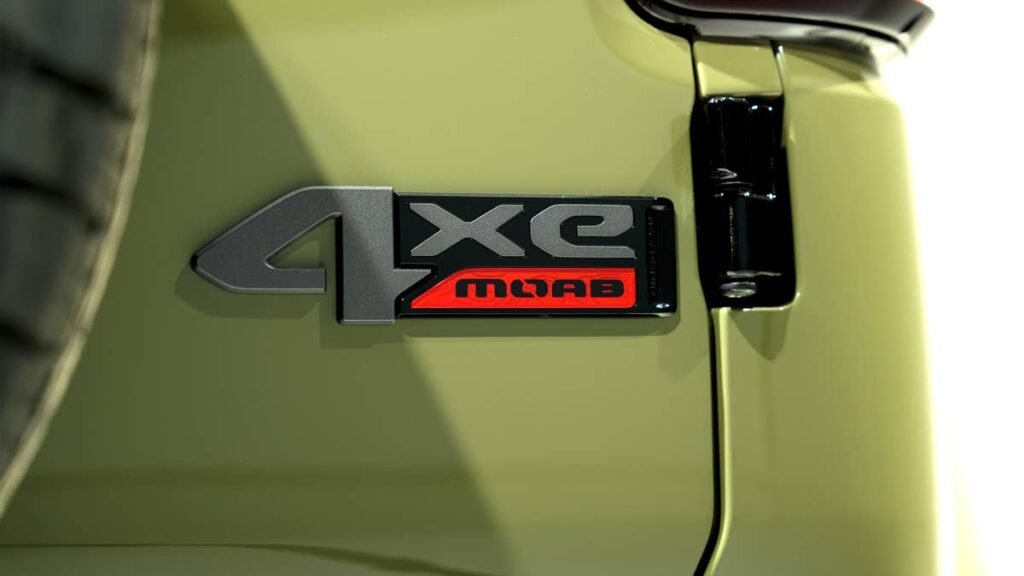
Four years after halting local manufacturing in China, Stellantis is preparing to bring the Jeep brand back to Chinese assembly lines. Under a newly announced strategic partnership, the transatlantic automaker will leverage local engineering capabilities to produce electrified vehicles. Crucially, this agreement marks the first time vehicles manufactured in China under the Jeep badge will be exported to international markets.
The strategy signals a major pivot for Stellantis, which previously halted production in 2022 after local sales crashed. By returning to the country through a modernized partnership model, Stellantis aims to address its past market collapse while transforming China into a cost-effective, high-tech export hub for global distribution starting in 2027.
Jeep
The Chinese Electric Connection
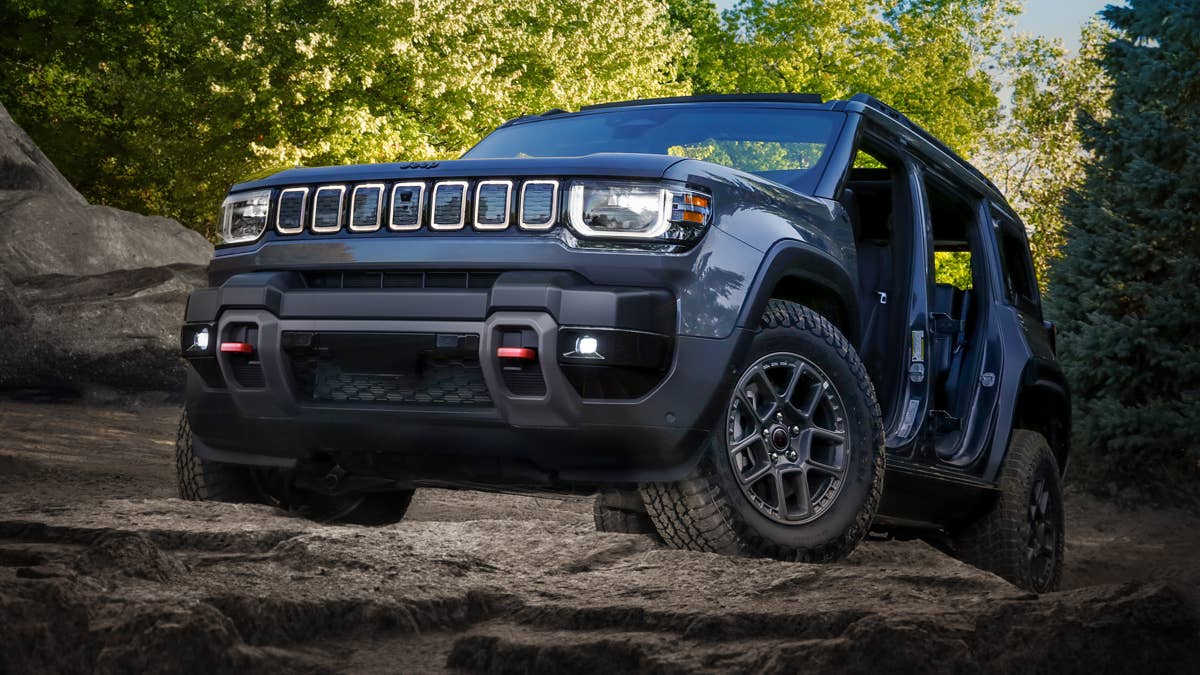
At the core of this initiative is an 8.2 billion yuan ($1.2 billion) joint venture formed with Dongfeng Motor Group, designated as Dongfeng Stellantis Automotive Technology Co. Operating out of Wuhan, the entity will focus on vehicle development and marketing, while existing Dongfeng Peugeot Citroen Automobile (DPCA) facilities will handle actual manufacturing. The joint venture will launch four new models, comprising two Peugeot vehicles and two electrified Jeeps.
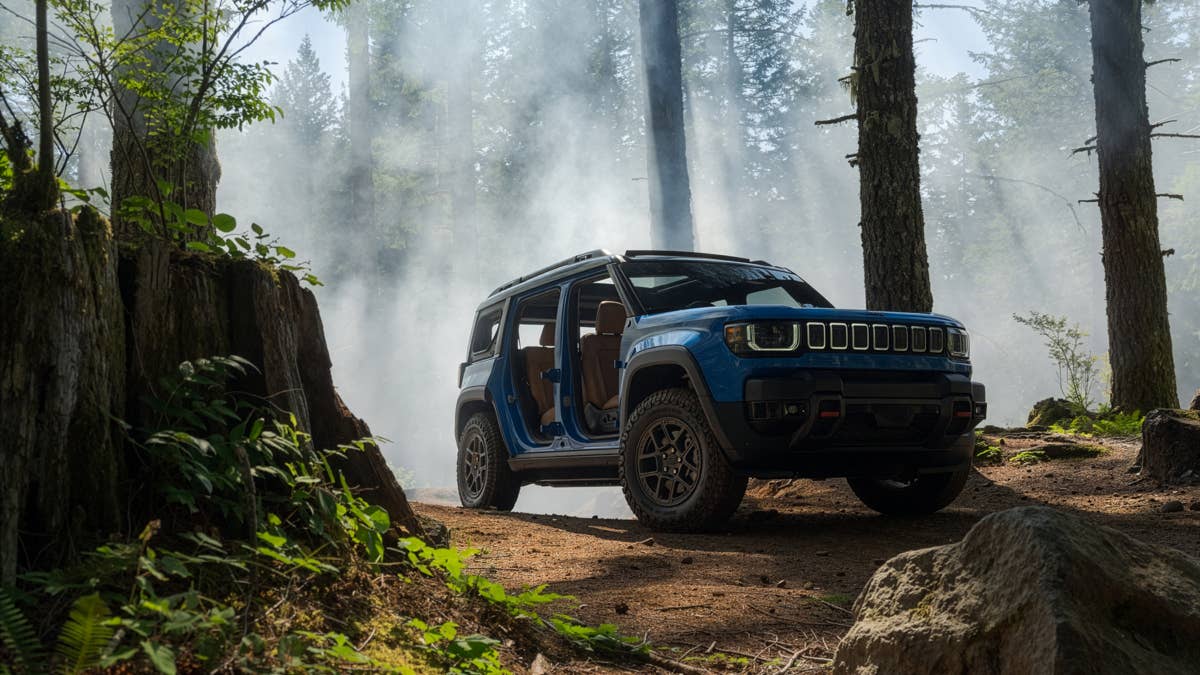
Under the terms of the agreement, Dongfeng will take the lead on research and development, supplying core electrification architectures and intelligent vehicle technologies. Stellantis will contribute brand heritage, design concepts, and its extensive international distribution network. CEO Antonio Filosa confirmed that these new electric SUVs and plug-in hybrid models are slated to begin rolling off assembly lines in 2027 for worldwide delivery.
Dongfeng offers proven EV technical credentials to the partnership. Beyond its core passenger vehicle lineup, Dongfeng manufactures premium electric models under its Voyah brand and heavy-duty, multi-powertrain electrified off-roaders through its Mengshi marque. These existing off-road and battery-electric platforms provide the technical foundation needed to engineer robust, dual-purpose Jeep products.
Jeep
Changing Demands and Strategies
Jeep’s return underscores how drastically the automotive landscape in China has changed. When Jeep’s previous joint venture with GAC Group collapsed, annual sales had fallen from a 2017 peak of 203,000 units to roughly 20,000 in 2022. Western legacy automakers were caught unprepared as Chinese consumer demand rapidly shifted toward domestic new-energy vehicles, exposing severe vulnerabilities in traditional internal combustion lineups.
By relying on Dongfeng’s technological base, Stellantis is adopting a pragmatic strategy already deployed by Volkswagen, General Motors, and Nissan. Partnering with a Chinese manufacturer allows legacy OEMs to accelerate EV development cycles and reduce capital expenditures. For Stellantis, using China as a high-tech export engine is not merely an attempt to regain lost market share, but an essential step toward remaining competitive in the global EV transition.

Jeep