Honda’s hybrid bet is paying off
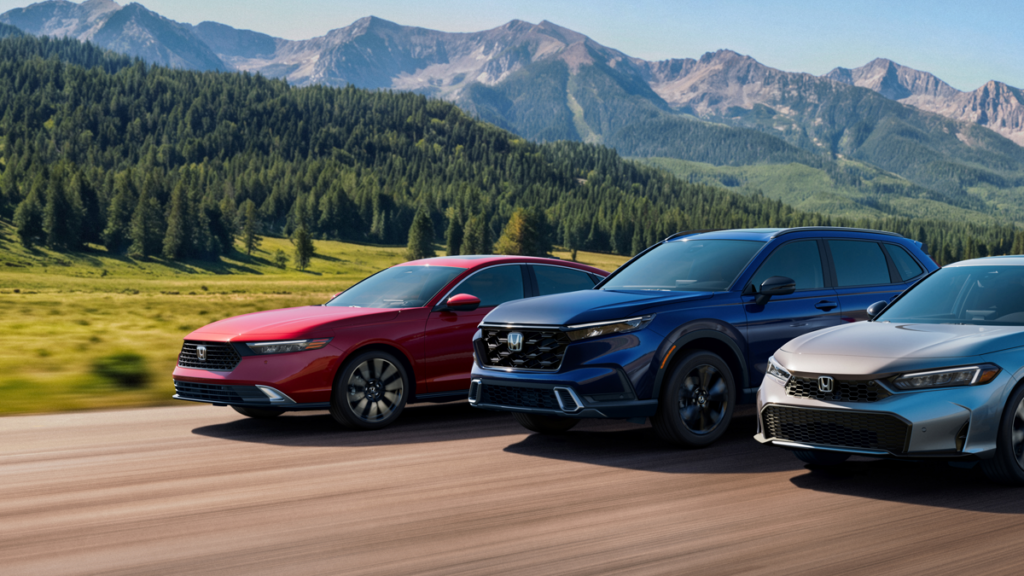
Honda is considering making the Accord and CR-V hybrid-only by around 2030, following Toyota’s decision to drop the gas-only RAV4 and Camry. The move would represent a major change for two of Honda’s most important models, but it isn’t a complete surprise. Hybrid models accounted for about 30 percent of Honda’s US sales in the first half of 2026, with the automaker selling a record number of hybrids during the period.
The CR-V is already making the case for Honda. Hybrid versions accounted for 54 percent of CR-V sales in the first half of 2026. The Accord Hybrid was also responsible for 41 percent of Accord sales. That makes a hybrid-only future look less like a gamble and more like Honda following where its customers are already going. But making the Accord and CR-V hybrid-only would also remove the cheaper entry point that their conventional gas models currently provide.
The CR-V And Accord Hybrids Are Already The Better Choice
Cole Attisha
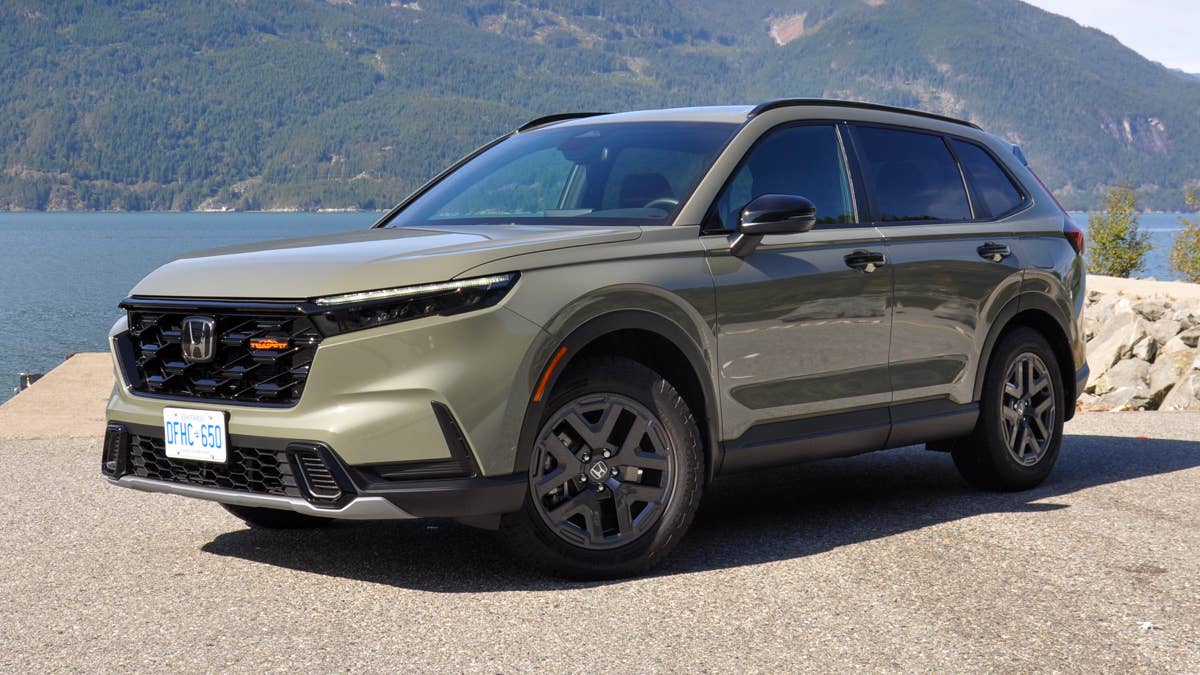
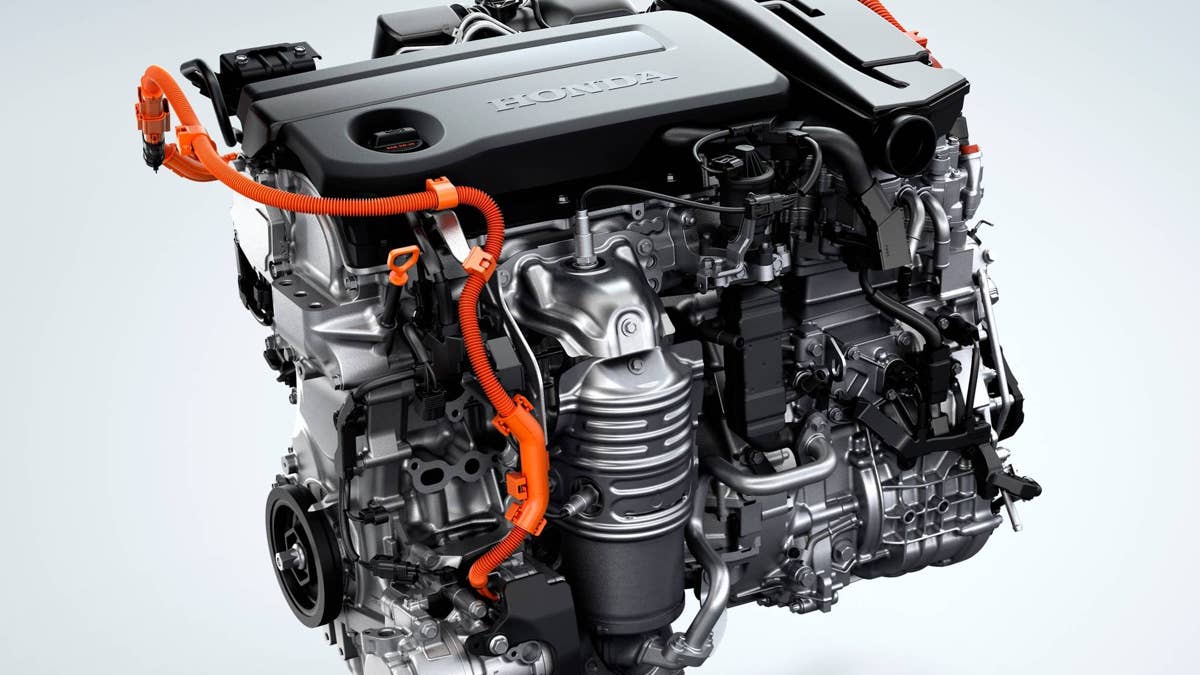
Mechanically, Honda’s current hybrid system is a substantial departure from the gas models. The 2027 CR-V Hybrid uses a naturally aspirated 2.0-liter four-cylinder and two electric motors, producing 204 horsepower and 247 pound-feet of torque. The gas CR-V uses a 1.5-liter turbo four-cylinder making 190 hp and 179 lb-ft. The hybrid also returns up to 40 mpg combined with all-wheel drive versus 29 mpg for the AWD gas model. In a strange twist, the more powerful powertrain is also the significantly more efficient one.
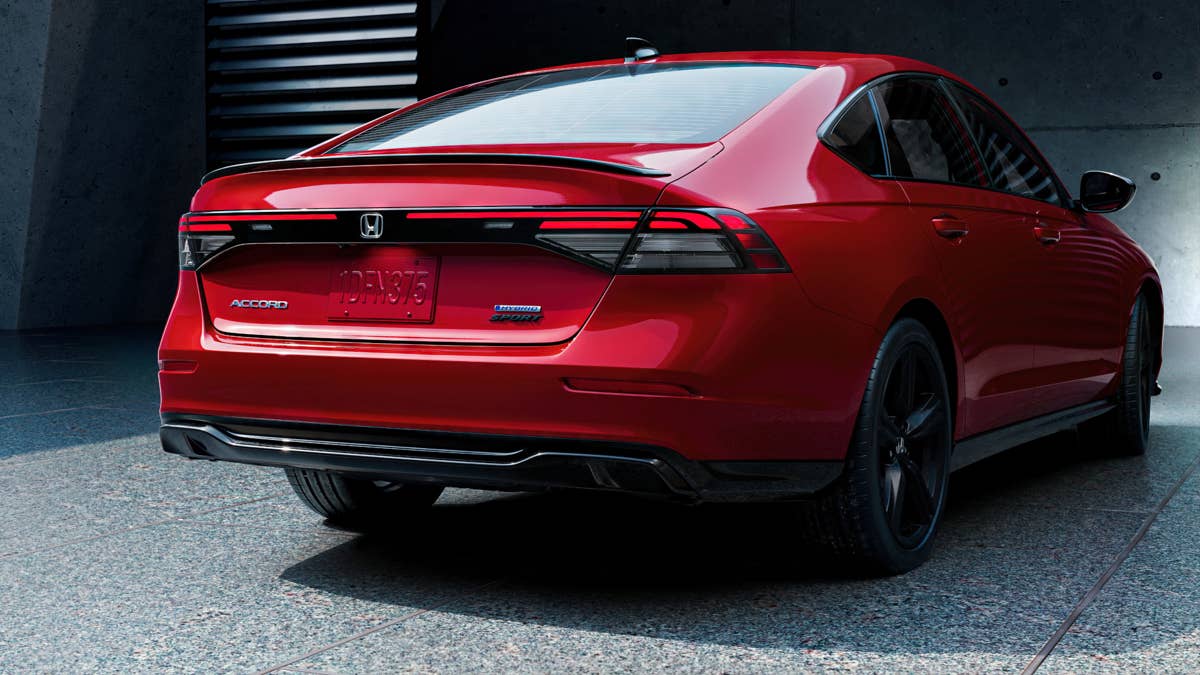
The Accord follows much the same formula. Its two-motor hybrid system makes 204 hp and 247 lb-ft, compared with 192 hp and 192 lb-ft from the conventional 1.5-liter turbocharged engine. The hybrid can also return up to 48 mpg combined.
The Accord Hybrid and CR-V Hybrid already have an EV-like driving character without requiring a large battery or external charging. In practice, Honda has arrived at a middle ground that appears increasingly well suited to buyers who want better fuel economy without changing how they use their cars.
Going Hybrid-Only Has A Cost
Honda
There is, however, a reason Honda has continued selling gas versions alongside its hybrids. A hybrid powertrain contains more expensive components than a conventional gasoline setup. The 2026 CR-V starts at $30,920 with its 1.5-liter turbocharged gas engine, while the least expensive CR-V Hybrid, the Sport Hybrid, starts at $35,630. That’s a $4,710 difference. The Accord shows an even larger gap. The 2026 Accord LX starts at $28,395, while the Accord Sport Hybrid starts at $33,795, putting $5,400 between the cheapest gas and hybrid versions.
How Reliable Are Honda’s Hybrids?
Honda
A complex hybrid system doesn’t necessarily make a Honda hybrid unreliable, but they do create more expensive failure points once the vehicle gets well beyond its warranty period. Consumer Reports expects the 2026 CR-V Hybrid to be more reliable than the average new car. The 2026 Accord Hybrid is similarly predicted to be more reliable than average. That’s encouraging for buyers today, although the latest generation of Honda’s hybrid system hasn’t been around long enough to establish the kind of long-term track record that older Honda gas powertrains have.
On the other hand, Honda recalled a quarter of a million Accord Hybrids because a software problem could cause a loss of drive power, while Consumer Reports’ owner reports have included isolated battery and electrical complaints.
Honda Takes A Page Out Of Toyota’s Playbook
Honda
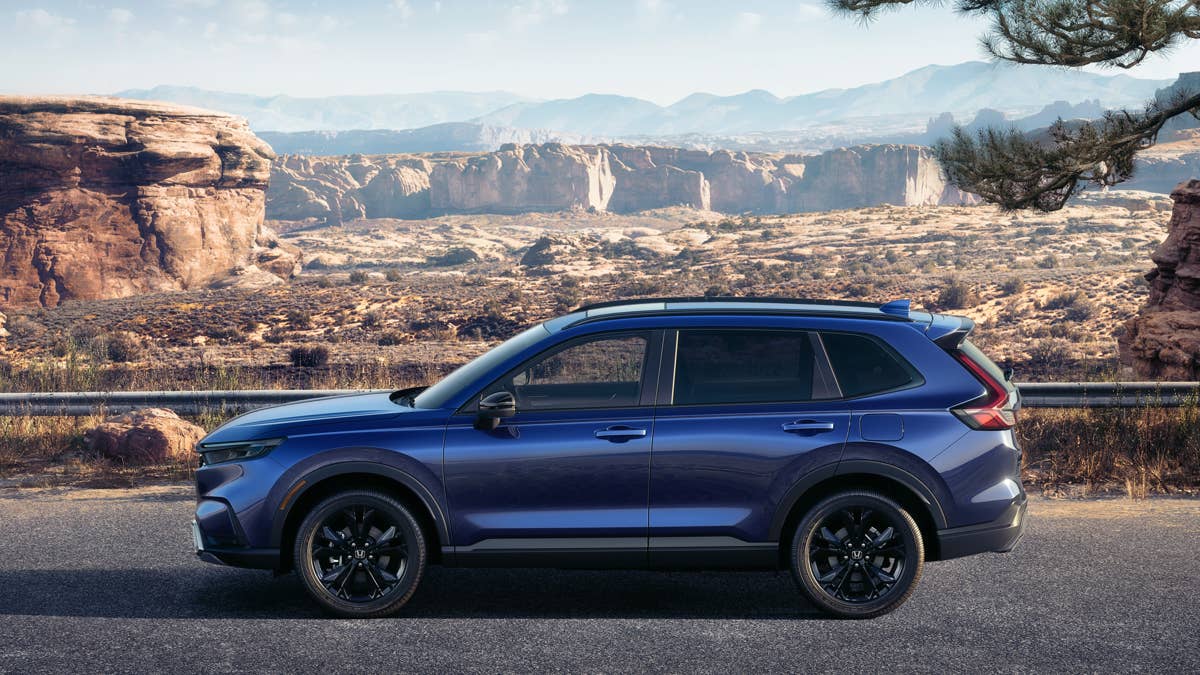
Toyota has already decided that the hybrid tradeoff is worthwhile. Its latest RAV4 is hybrid-only, and Toyota backs the hybrid components with a 10-year/150,000-mile warranty. Honda’s challenge will be proving that its own hybrid-only Accord and CR-V can offer comparable long-term confidence.
If Honda follows through around 2030, as Automotive News reports, the biggest change will be that gas powertrains have become the niche option. Given that more than half of CR-V buyers and more than two-fifths of Accord buyers are already choosing hybrids, that may be a reasonable bet.