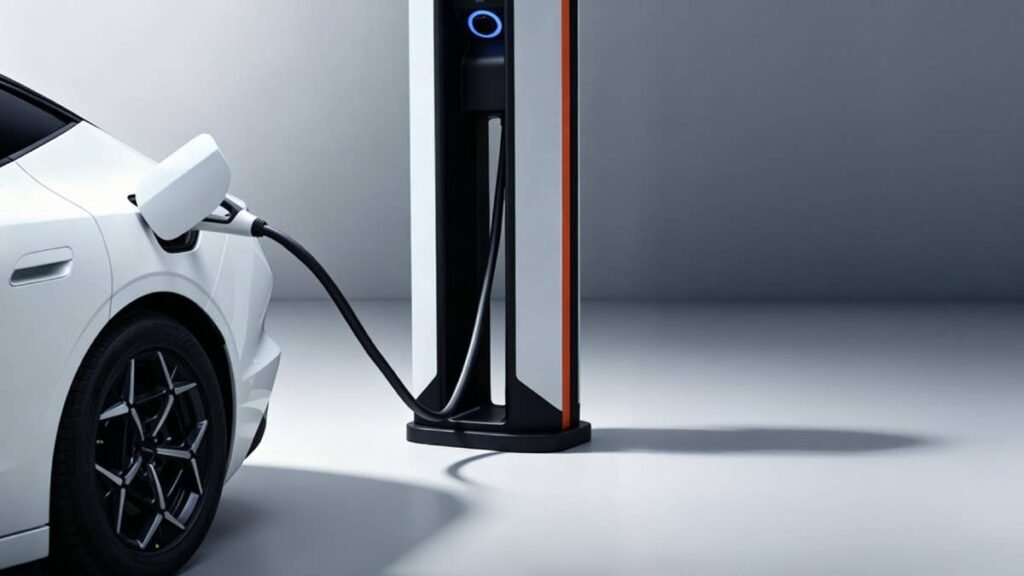
Geely Holding Group has officially announced the development of a 1,000V high-voltage EV architecture designed to push 10% to 80% charging times below 5.5 minutes. The Hangzhou-based automaker is expanding its high-voltage systems across its portfolio to compete directly against BYD’s flash-charging technology. The new platform standardizes high-voltage components across batteries, electric motors, power controllers, wiring, and vehicle body design.
While pure electric powertrains remain a central priority, Geely is simultaneously advancing its broader propulsion portfolio. The company continues making significant hybrid technology advances to challenge established global automakers in electrified powertrains. This dual-track strategy positions the group to cover both full battery-electric vehicles and transitional hybrid markets as global charging infrastructure develops.
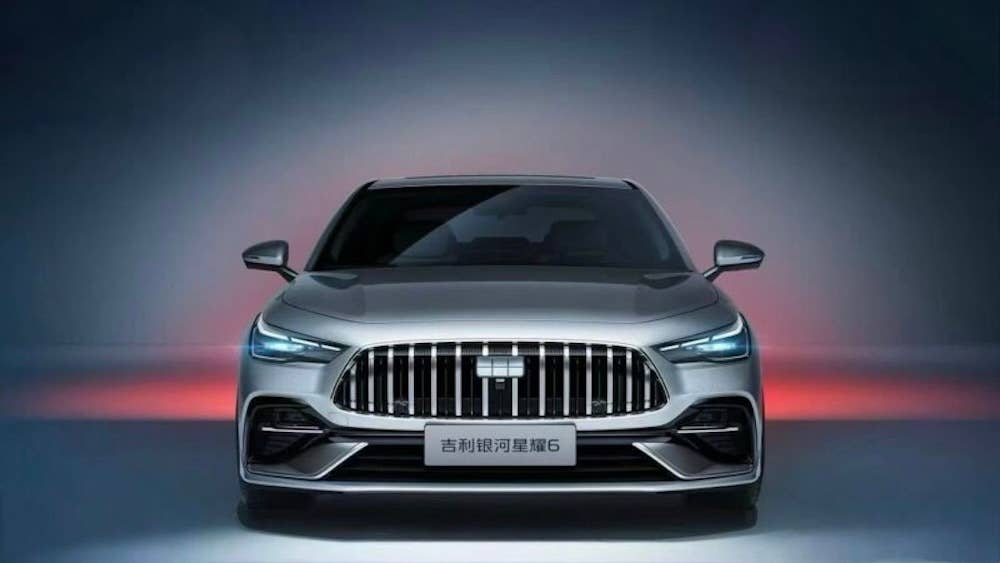
Geely
Faster and Faster Charging
The technical update follows recent reports regarding the performance of Geely’s Lynk & Co 10 sedan. In independent testing, the sedan charged from 10% to 97% in 8 minutes and 42 seconds, and completed a 10% to 80% charge in 5 minutes and 32 seconds. Although early reports claimed the vehicle used a 900V architecture, Geely confirmed the 95 kWh battery operates at a rated 772.8V, placing it within standard 800V specifications.
To support the forthcoming 1,000V architecture, Geely has already begun deploying high-output charging infrastructure. As of March 2026, the automaker has built over 2,100 single-gun chargers under its Zeekr brand, each featuring a peak output capability of 1,500 kW. Existing production models cannot utilize the full capacity of these stations, making the network an intentional pre-deployment for next-generation vehicles.
During recent testing, the Lynk & Co 10 achieved a peak charging power of 1,100 kW at a Zeekr 1,500 kW station, compared to 430 kW on a BYD flash charger. The upcoming 1,000V platform is engineered to draw the full 1,500 kW from these stations, enabling production vehicles to consistently sustain sub-5.5-minute charge times.
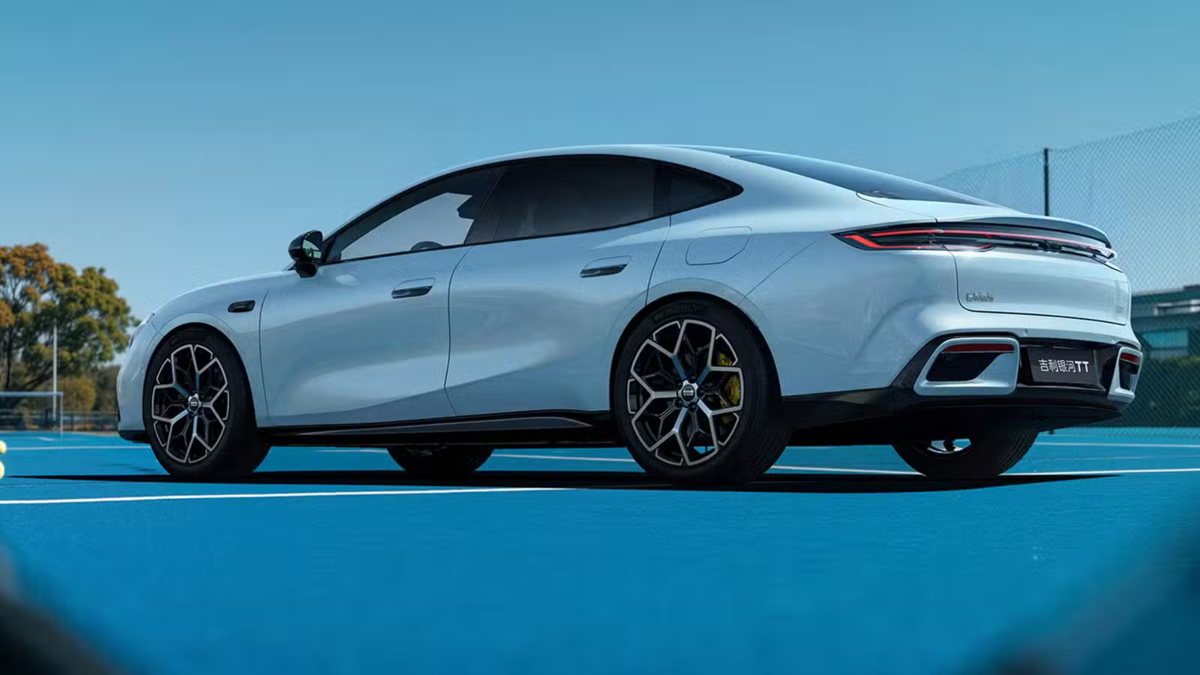
Geely
Solid State Future
Geely’s shift toward 1,000V architecture demonstrates how rapidly Chinese automakers are advancing battery management and power electronics. By aligning 1,500 kW station deployments directly with platform development, Geely is attempting to address charging friction at the hardware level. Furthermore, this high-voltage rollout coincides with broader battery innovations, including plans to supply solid-state batteries to global subsidiaries like Volvo.
For legacy international automakers, Geely’s pace of development signals a growing gap in power architecture and supply-chain integration. China’s leading EV manufacturers are shifting competition from price parity to charging efficiency and platform capabilities. With Ford already planning models under a shared platform from Geely, the group’s 1,000V architecture reinforces its position as a central component supplier and engineering benchmark for the global industry.
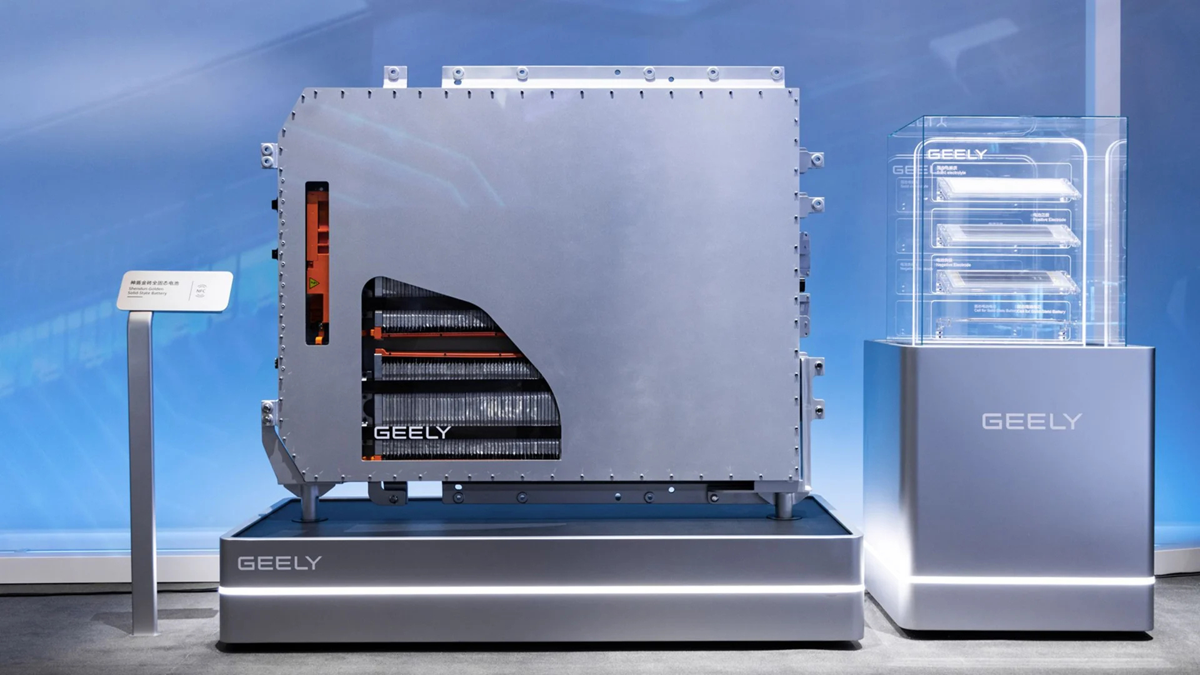
Geely