Horsepower Can’t Do It Alone
Sure, going full send in a Ferrari or Lamborghini is a fun experience. But research suggests that the thrill of driving doesn’t rely solely on speed. Instead, it comes from the convergence of three key factors: visceral, intellectual, and emotional stimulation.
The study was commissioned by lubricant company Castrol and conducted with Brainbox, a UK-based neuroscience company. Its findings could help explain why riding a bicycle through slow traffic can feel more thrilling than sitting on an airplane cruising at around 575 mph. Cycling downhill can raise the stakes even further.
Castrol
The Science of Sending It
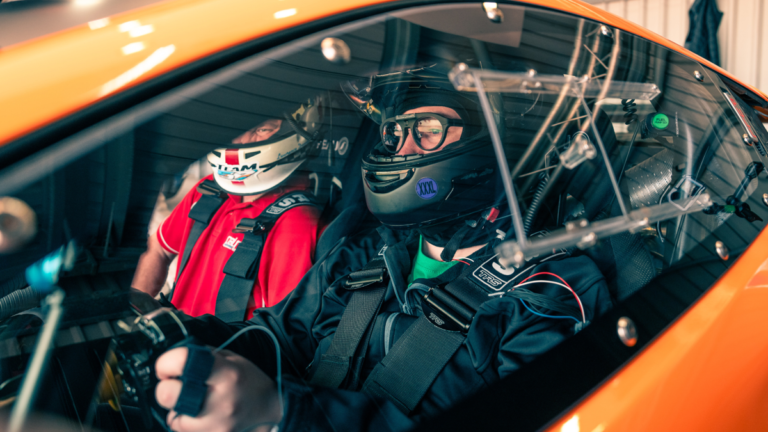
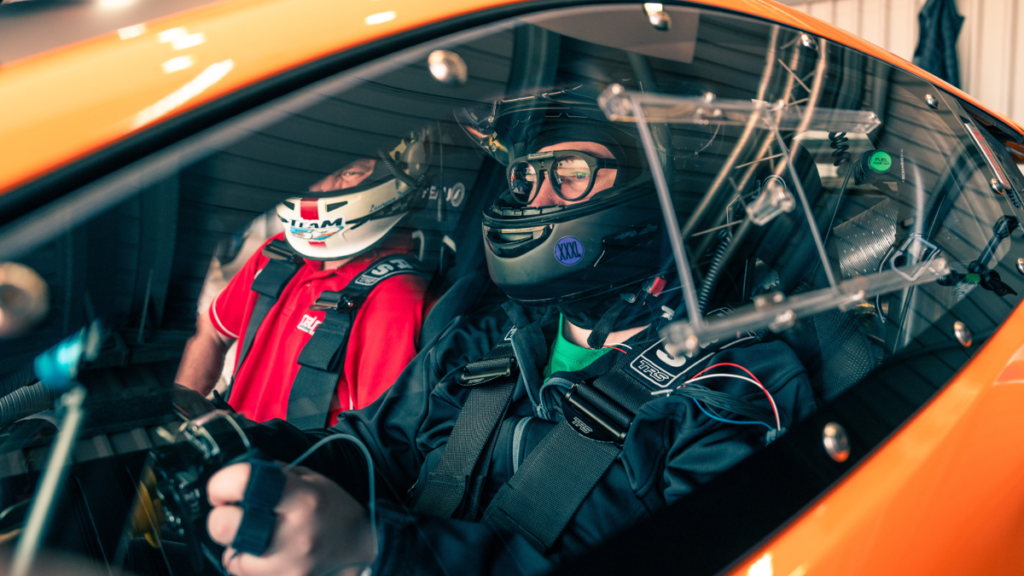
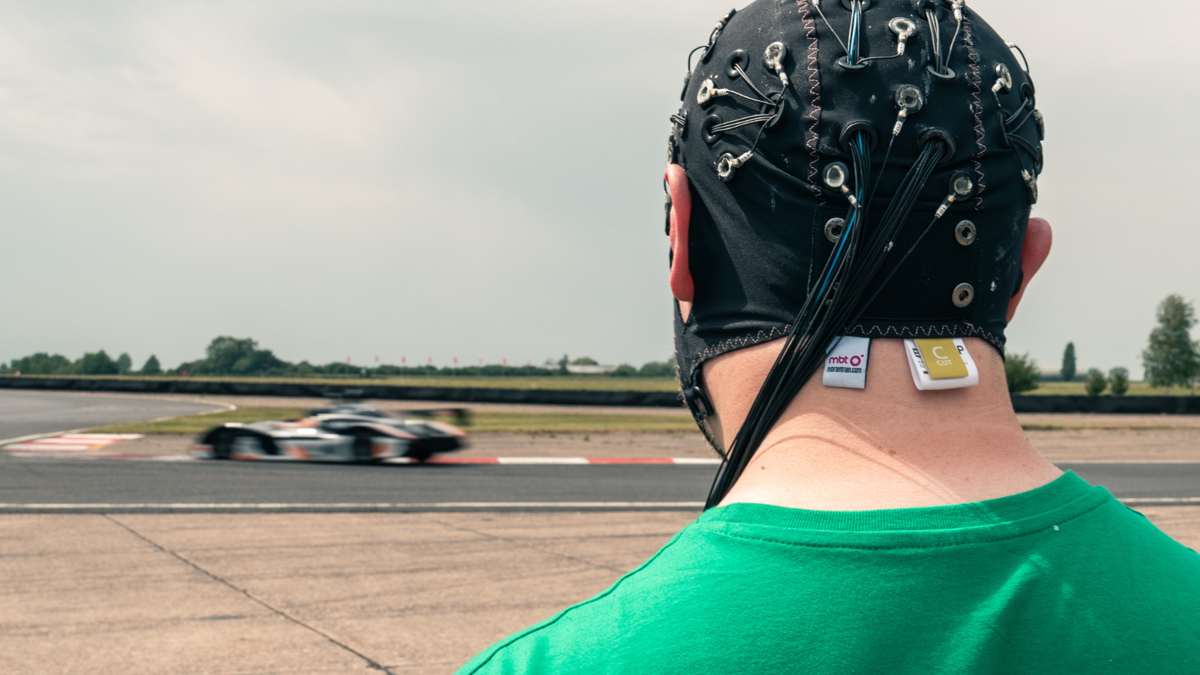
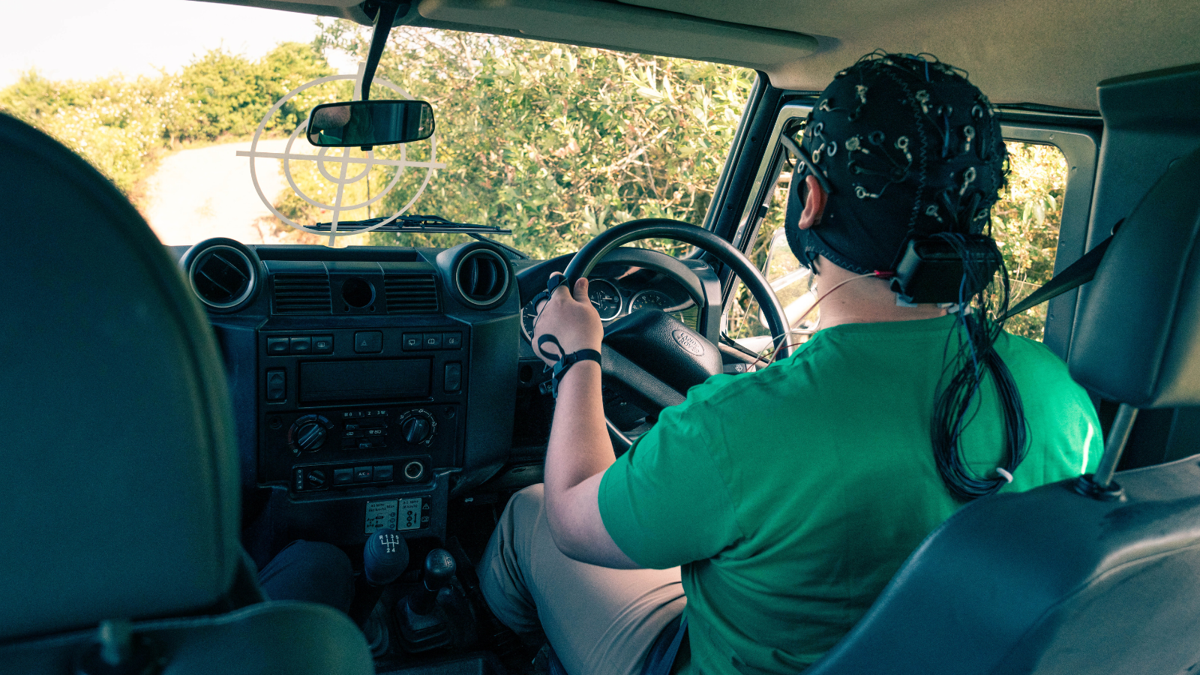
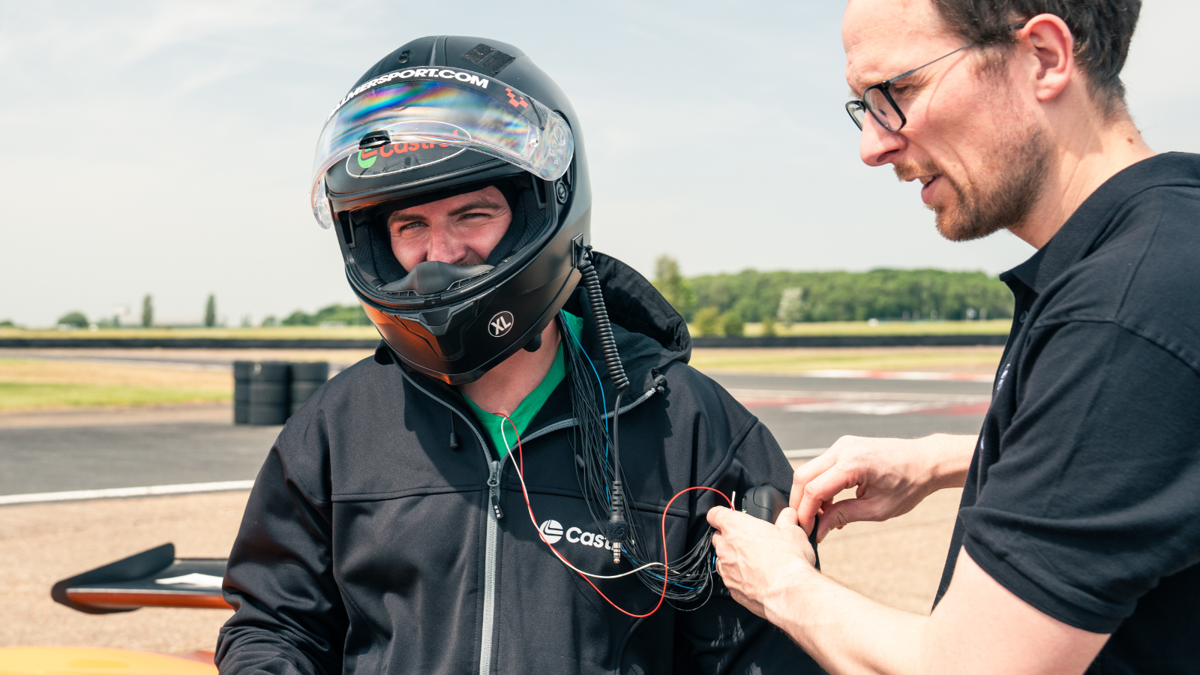
For the Castrol EDGE “Thrill of Driving” Study, participants experienced several vehicles, including a McLaren Artura GT4 race car, while wearing an EEG cap that recorded electrical brain activity. Their eye movements, skin response, and heart-rate variability were also tracked during sessions on closed tracks.
The study found that driving thrills come from “controlled immersion.” Thrill peaks when three factors reach manageable levels: physical stimulation, mental engagement, and excitement outweighing fear. Essentially, locking in and feeling in control are more important to experiencing driving thrills than outright speed.
That helps explain why driving a go-kart, despite not reaching supercar speeds, still produced genuine excitement. The McLaren delivered the highest level of thrill, but during a high-speed passenger ride, the response shifted from thrill to anxiety. A Land Rover Defender was also tested on an off-road course, which demanded concentration while keeping participants relatively calm.
Vincent Panel, Head of Product & Communications for Europe at Castrol, said, “Crucially, we identified that you don’t need a supercar to experience driving thrill; you can experience almost the same sense of immersive control without high speeds, from a visit to a local karting track or a drive along one of your favourite roads.”
Castrol
What a Thrill Looks Like on Paper
Castrol commissioned the research to support its data-engineered approach to product development, using the findings to better understand what drivers experience.
For non-car enthusiasts, the study helps explain why some people genuinely enjoy driving their old, beat-up Honda Civics at track days despite clocking slow lap times. It could also explain why not everyone is thrilled by EVs, despite their ability to deliver supercar-beating acceleration. But as the study notes, “No single measurement defines thrill.” To each their own when chasing excitement behind the wheel.
Castrol