BMW is one of the few luxury brands still producing manual performance cars, including the M2, M3, and M4. And, while the automaker remains open to keeping the manual around for now, the odds continue to be stacked against it. Torque limits, low industry demand, and supplier hesitation are just a few reasons for the manual transmission’s decline, but BMW’s M chief mentioned yet another barrier in a new interview: The rise of 48-volt mild-hybrid systems. Here’s what he had to say about the engineering challenges facing automakers who are still producing manuals.
Manuals And Modern Mild-Hybrid Systems Don’t Mix
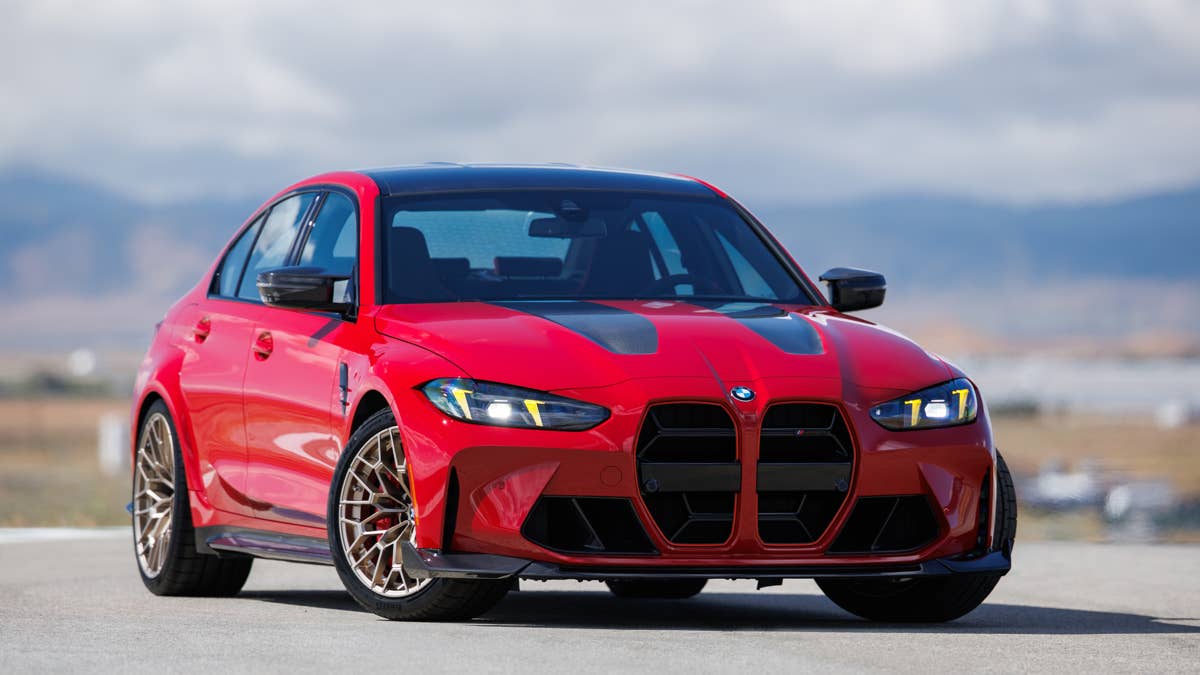
48-volt mild-hybrid systems have become far more common in recent years. These systems use a much smaller battery and electric motor to help eliminate turbo lag, improve throttle response, boost efficiency, and provide smoother operation of the start/stop system. What they don’t do is improve performance meaningfully, and for fans of the stick-shift specifically, a mild-hybrid system creates technical complexity.
“It’s going to be really difficult,” said BMW M Boss Frank van Meel when asked by BMW Blog whether the brand will keep the manual around. He specifically said that 48-volt systems won’t work with a manual. “I don’t want to explain why it’s difficult, because every engineer always explains why things are difficult,” he continued, not wanting to turn the answer into an engineering lecture.
It’s not too hard to see what he’s getting at. 48-volt systems are closely linked to the vehicle’s transmission and computer systems. In an automatic, the vehicle’s electronic brain can tightly manage shift points to prioritize performance or economy, as well as the mild-hybrid system’s contribution. This is much tougher to do with a manual gearbox, as human shifts occur unpredictably.
BMW Already Limits Manual Production
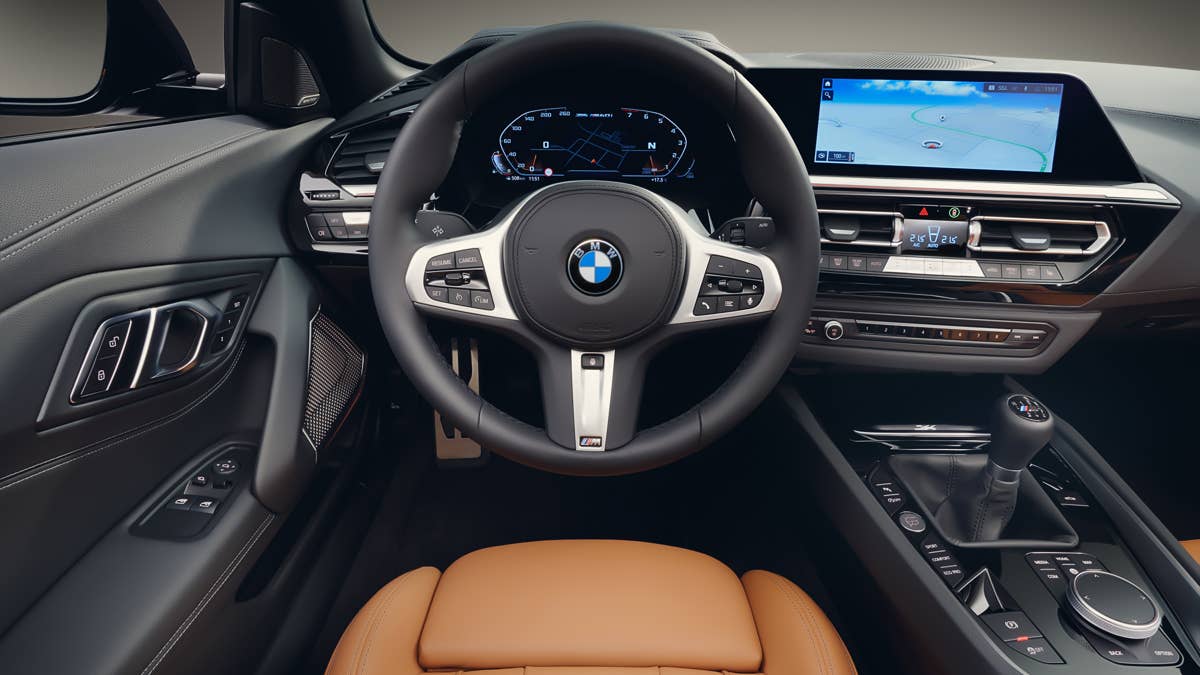
BMW
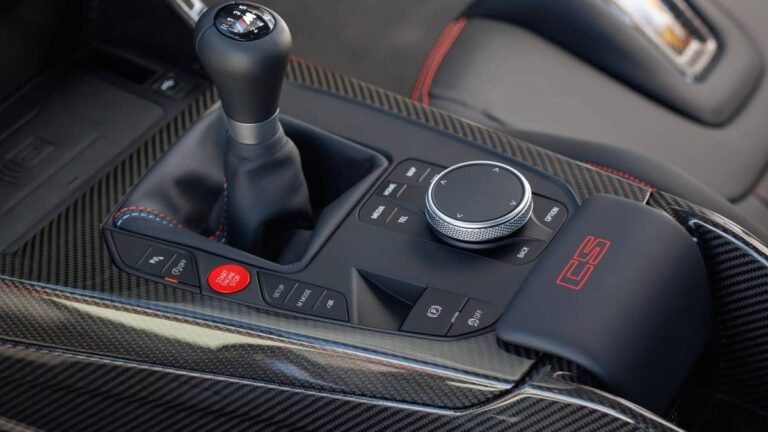
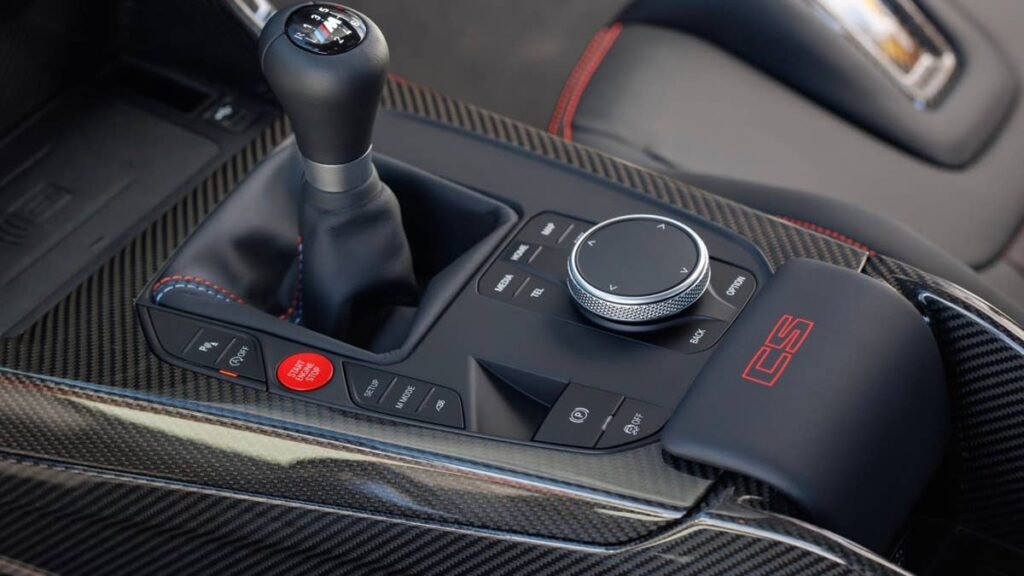
Within BMW’s M lineup, the manual is already limited. The S58 six-cylinder engine produces too much torque for a manual in its most powerful form, which is why there are no manual versions of the M3 and M4 Competition models. The M2 xDrive is also limited to BMW’s eight-speed automatic transmission, as is the M2 CS.
The worry for BMW fans now is: What does all of this mean for the G84 M3, expected to arrive sometime in 2028? Expected to come with a mild-hybrid system, that puts the chances of another manual M3 in jeopardy. BMW hasn’t confirmed that much and it may still be looking at a way to keep the 48-volt system and make it work with a stick-shift, but this appears increasingly unlikely.
Related: BMW Built A Manual Rear-Drive M3 CS Just For North America
What It Means
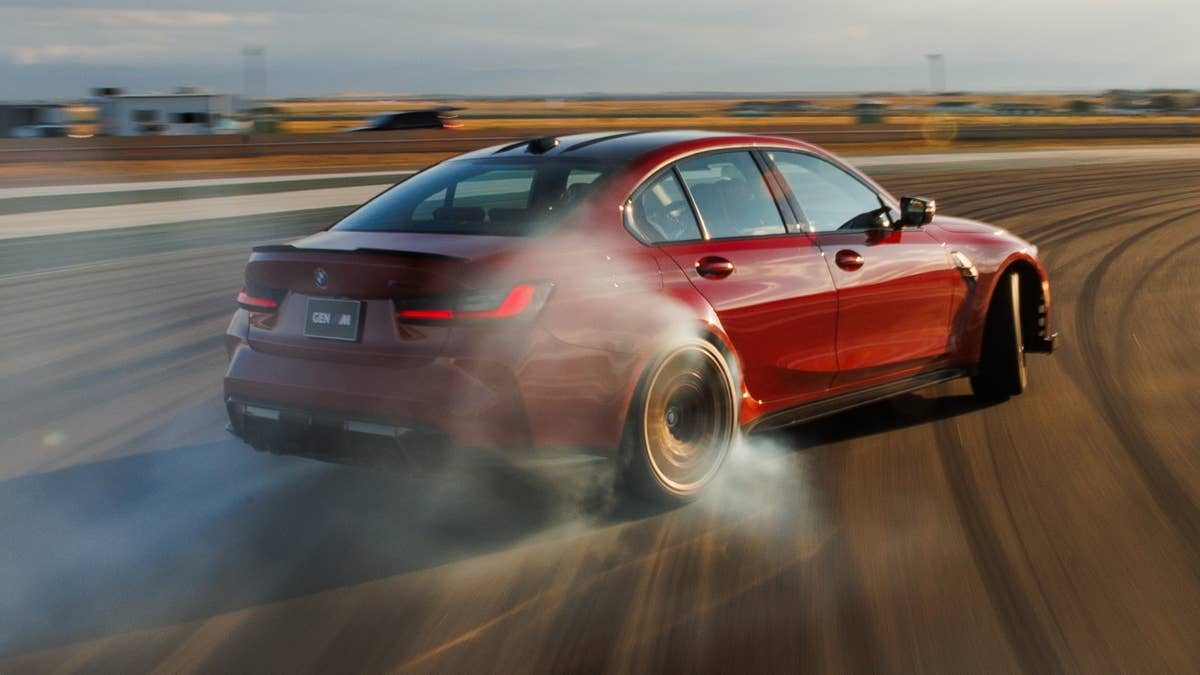
While manual cars aren’t as popular as they were, BMW M fans still buy them in significant numbers. The M3 CS Handschalter sold out in around a week, while roughly half of all M2 buyers in the U.S. choose the manual transmission. If BMW is determined to keep the manual around for another generation, it will have to engineer a solution, but that could prove unreasonably expensive. Even then, fewer suppliers being willing to support manuals will be another hurdle to overcome. For M fans, the smart move may be to place an order for a manual M3 or M4 now, as there’s no telling when we’ll see the last of these driver-focused BMWs.
Related: BMW M Boss Explains Why Manual Transmissions Are Dying