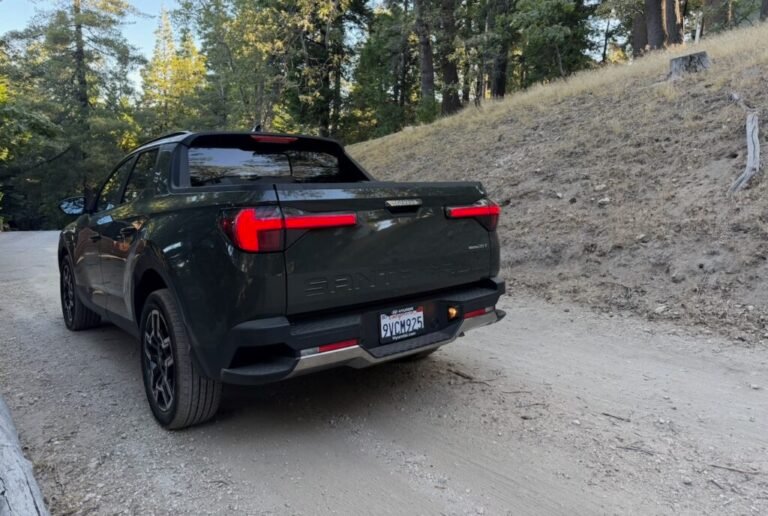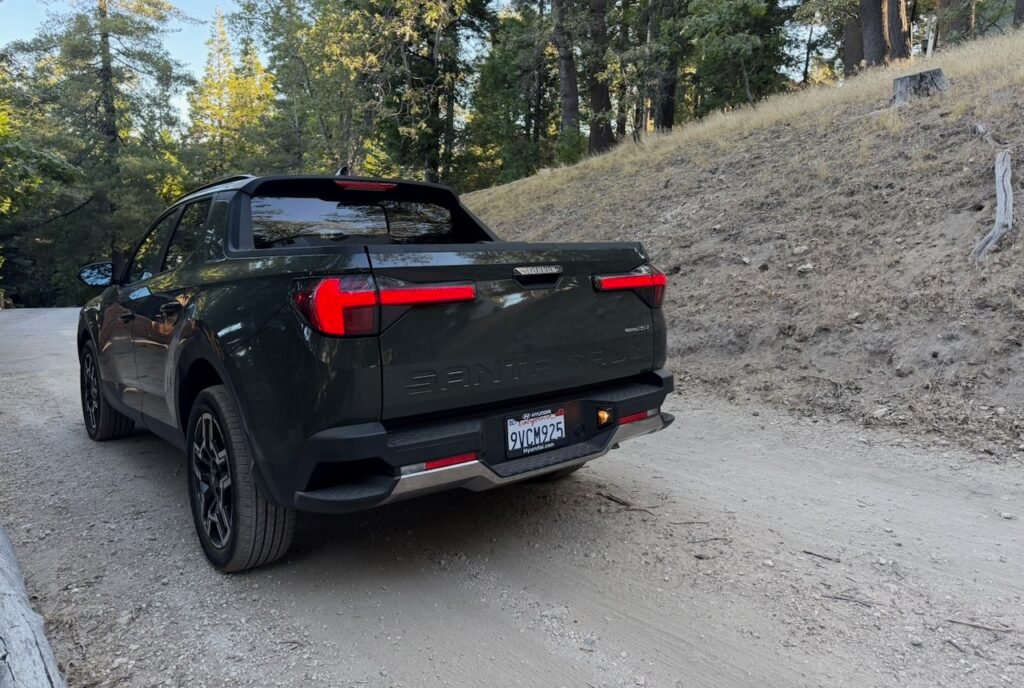
In the truck segment, the 2026 Hyundai Santa Cruz holds its own in one of the more intriguing niches. You won’t find it vying with a Toyota Tacoma, Ford Ranger or Nissan Frontier; it is not a body-on-frame pickup and has no intention of being one. What Hyundai has put together with this compact model is something else entirely: a mix of SUV comfort and crossover handling with just the right amount of utility to entice those who require more from their vehicle than a small SUV will give them.
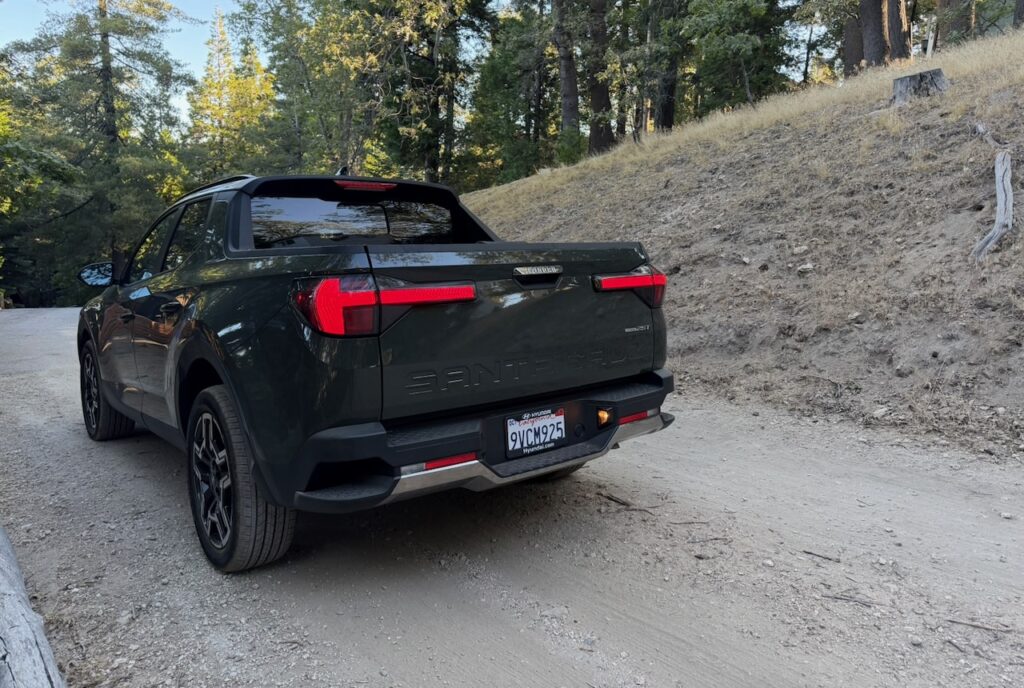
There is an appeal to the Santa Cruz that sets it apart. Most in the midsize and compact truck world are after rugged off-road prowess, towing and payload numbers. The Santa Cruz is for a different sort of driver, one who wants an open bed on an easy-to-live-with daily car rather than a four-door work truck. Put it down to a sensible alternative to a compact SUV and you have the right idea.
Get behind the wheel and the advantage is plain to see. Lacking a traditional truck platform, the driving experience is far more composed and car-like. The ride is smoother and the handling more predictable than what is on offer in most conventional trucks. In town it is simple to park and maneuver without the bulk of a larger pickup, while on the highway it is settled and refined enough to be a fine commuter. Some will miss the heavy-duty feel of a proper truck, but then again they also avoid the stiff ride and unrefined manners that often go with it. For the most part, the better ride and handling make up for any tradeoffs.
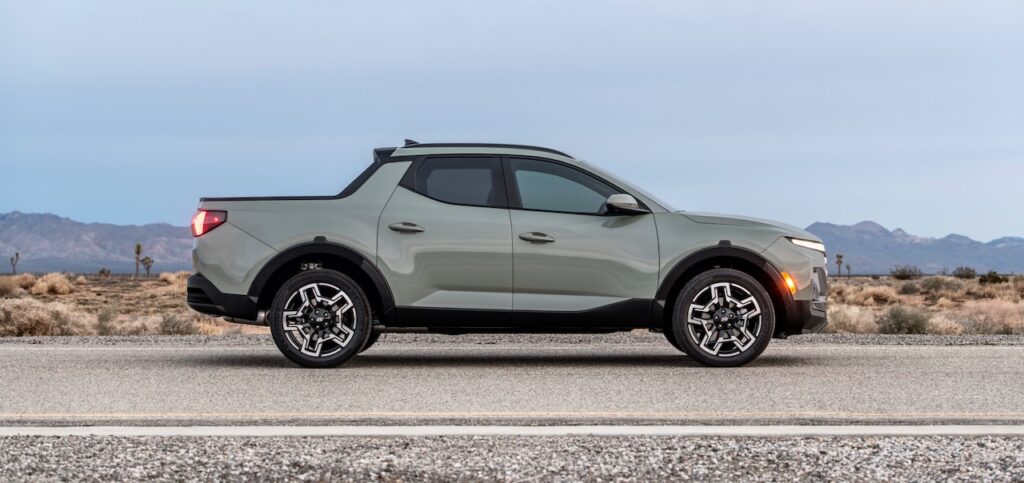
Hyundai has two powertrains on the table for 2026. The lower trims are fitted with a naturally aspirated 2.5-liter four-cylinder making 191 horsepower. It is sufficient for day to day use, if not quite in keeping with the Santa Cruz’s premium side. The turbocharged 2.5-liter is the way to go, putting out 281 horsepower and 311 pound-feet of torque. With that under the hood the Santa Cruz is quick and confident when it comes to passing or hauling light loads.
A notable change for the year is the transmission in the XRT and Limited trims. The old eight-speed dual-clutch automatic has been replaced by a more conventional eight-speed unit, which lends a certain refinement to city driving.
Then there is the matter of fuel economy, where the turbo shows its cost. The base front-wheel-drive model will do 22/30 mpg (city/highway), dropping to 21/29 in all-wheel drive. The turbo is an AWD only proposition at 18/25 mpg. Those figures are fine, but hardly remarkable when one considers the hybrid available in a Ford Maverick. The absence of a hybrid is a weakness for the Santa Cruz if you want efficiency along with your truck.
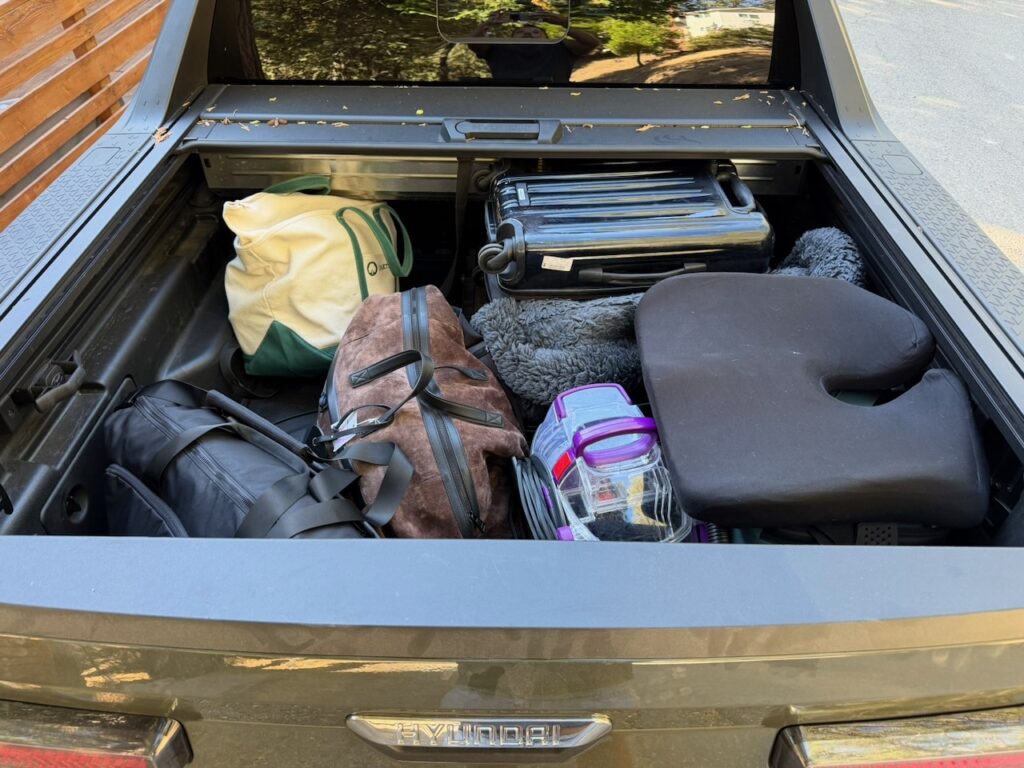
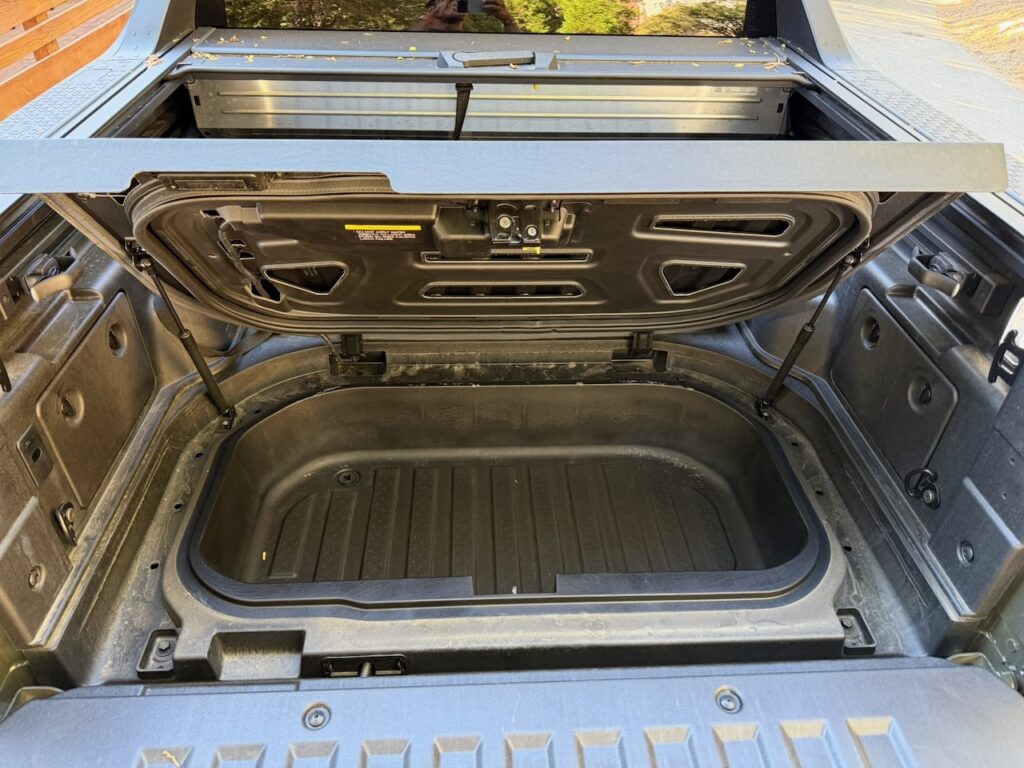
What the Santa Cruz does well is make the most of its bed. At roughly four feet it is not going to satisfy someone looking for full pickup utility, nor can it handle serious hauling with the tailgate shut. But Hyundai has been clever with the design. An integrated lockable tonneau cover is standard, providing security and convenience. There is even storage under the floor for valuables or gear you don’t want in the cabin. For loading up bikes, a cooler or supplies from Home Depot for a weekend project, the Santa Cruz is hard to beat. The short bed is perhaps the one thing that should give a shopper pause when considering the Santa Cruz and how they intend to put it to work. Those who are in the habit of moving large items would be better served by a more conventional truck. But for anyone wanting a bit more flexibility than an SUV can provide, the Santa Cruz’s configuration is hard to fault.
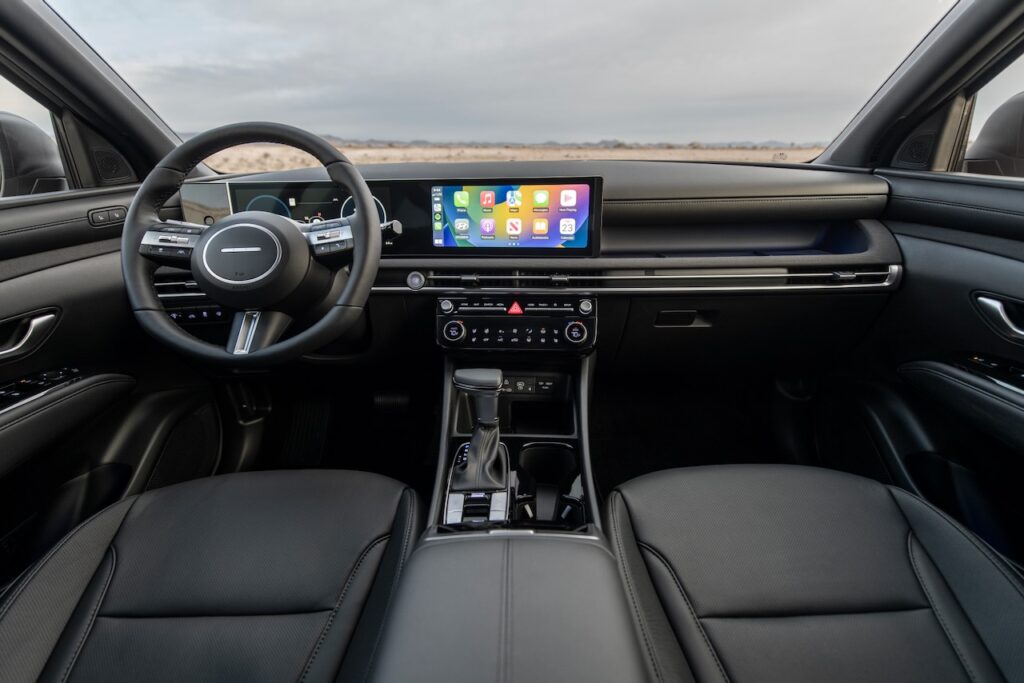
Step inside the 2026 model and the upscale nature of the cabin is apparent. It is well designed and comfortable in a way that feels more premium than many might anticipate from a compact pickup; in this respect, the Santa Cruz has more in common with an SUV than a working truck. The layout is modern but not fussy, the seating position is good and the materials look and feel premium.
Every Santa Cruz comes with a standard 12.3-inch touchscreen, lending the interior a contemporary edge over some of its rivals. You will find more in the way of comfort and convenience as you move up the trim levels, which only serves to push the vehicle into premium compact SUV country.
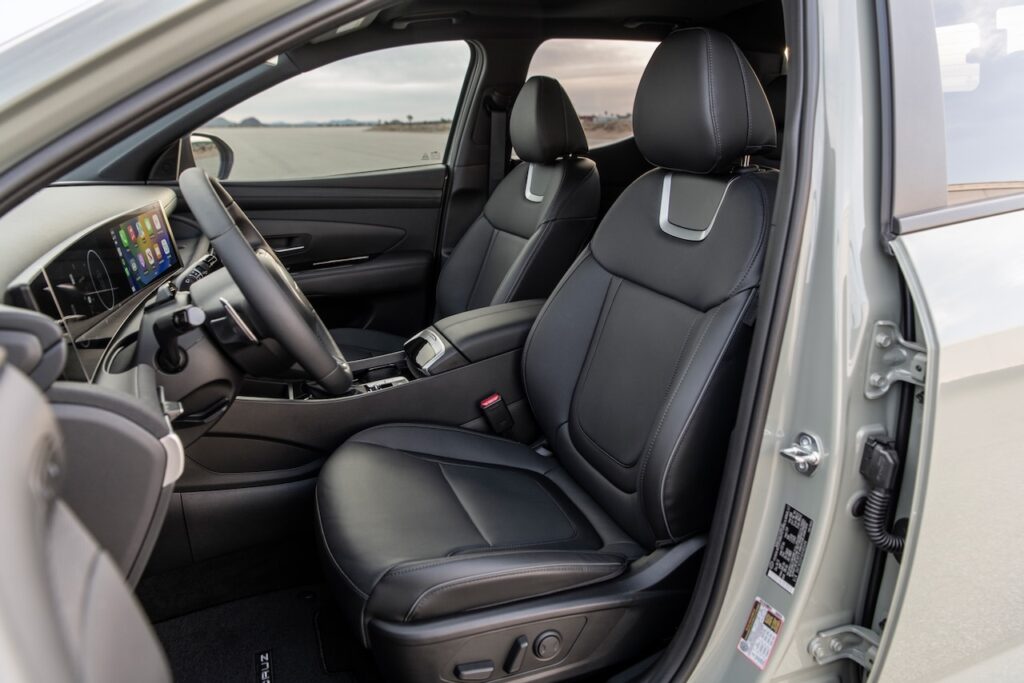
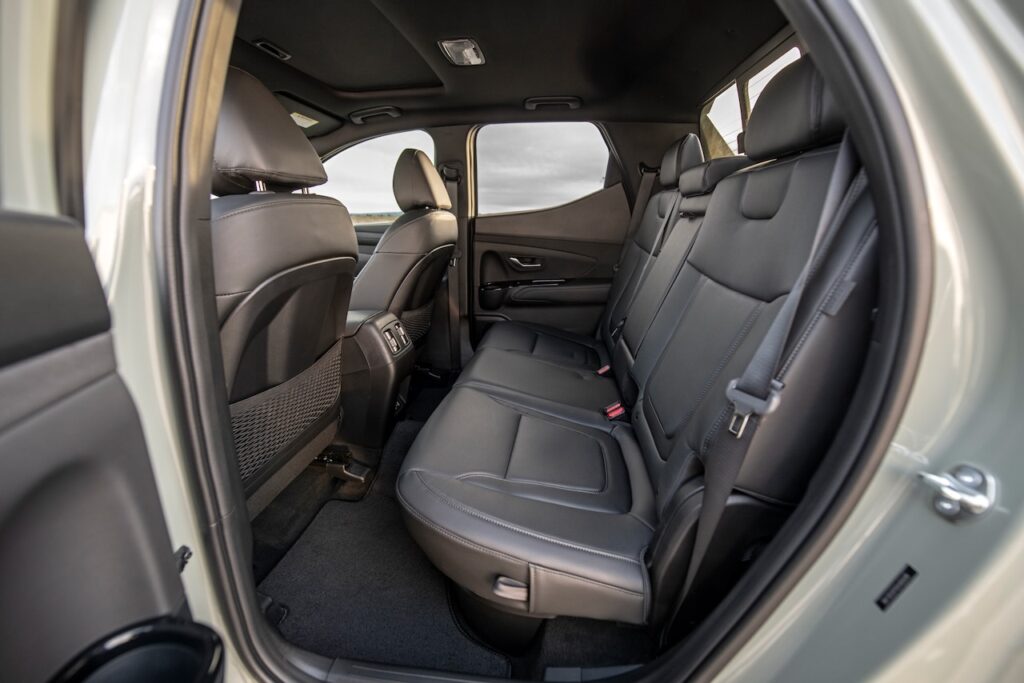
On longer drives the front seats are supportive and make for a pleasant ride. In back, however, the space is less bountiful. Adults can get in there, but legroom for taller folks could be improved. The compact footprint of the Santa Cruz necessitates such packaging compromises, much like the cargo bed.
At $31,350 to start, the 2026 Hyundai Santa Cruz is slightly pricier than the Ford Maverick. With the right trim the price tag can approach $43,500.
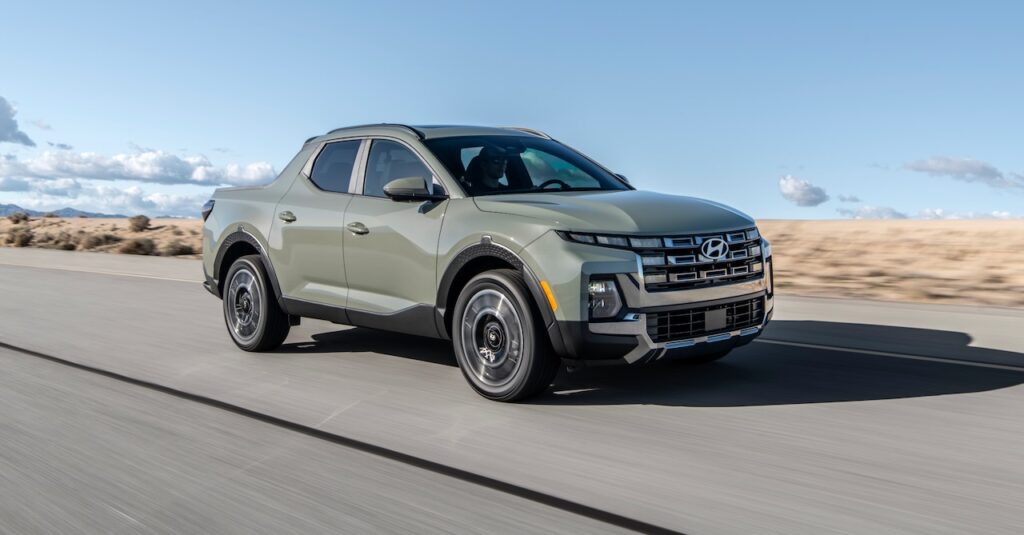
In the end, the 2026 Santa Cruz is not for someone in need of a serious truck, nor is it the most frugal option here. The four-foot bed is a limitation and there is no hybrid to be had. Yet as a daily driver with some extra capability it is easy to appreciate. It has the quickness of the turbo engine, handles like a crossover and is simply more agreeable to live with. For the SUV or midsize truck buyer who wants to do things a little differently without the size of a true pickup, the Hyundai makes a very strong case. It is a pickup for those who don’t want a truck in the traditional sense, and for that reason it works.
The post 2026 Hyundai Santa Cruz Review: SUV Comfort Meets Pickup Truck Utility appeared first on The Torque Report.