American consumers are facing historically high bills every time a car needs a fix or a smartphone screen shatters. At the center of this financial frustration is a tug of war over who gets to fix your property. Original equipment manufacturers frequently want to control the repair process, citing safety and data security concerns. However, an unexpected advocate is perfectly positioned to tip the scales against this corporate resistance – the insurance industry, judging by a recent statement from Allianz. By backing the right to repair movement, insurers can protect their bottom line while saving American drivers millions of dollars.
Breaking Down The Problem
Hyundai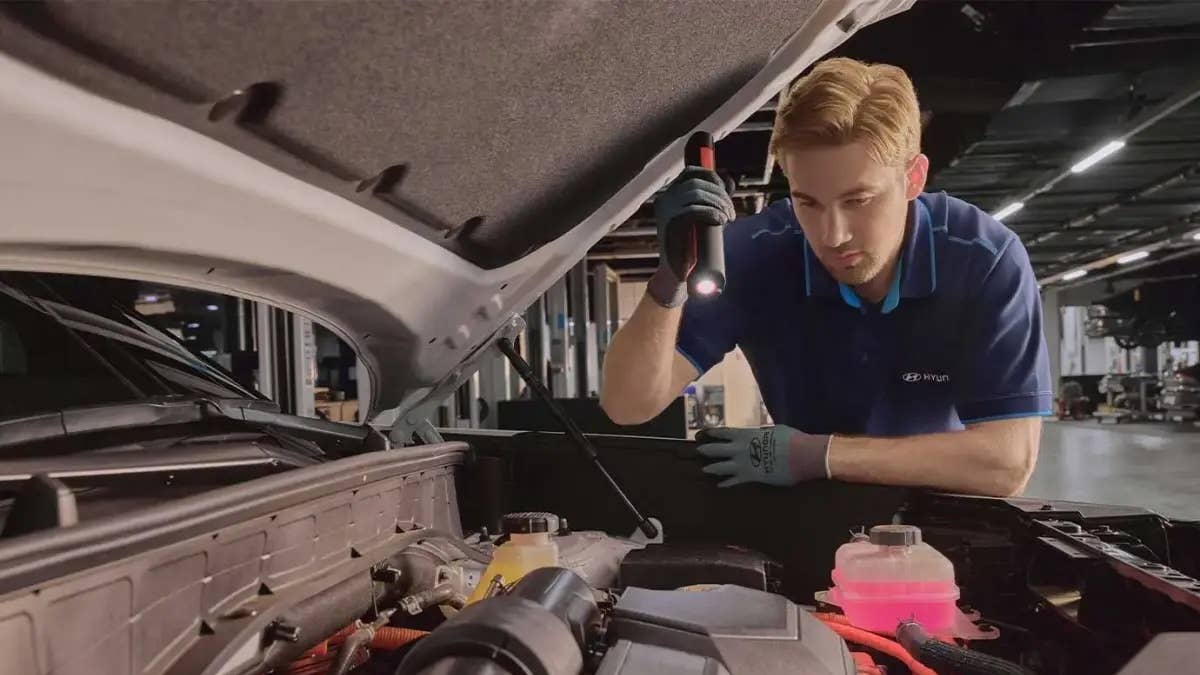
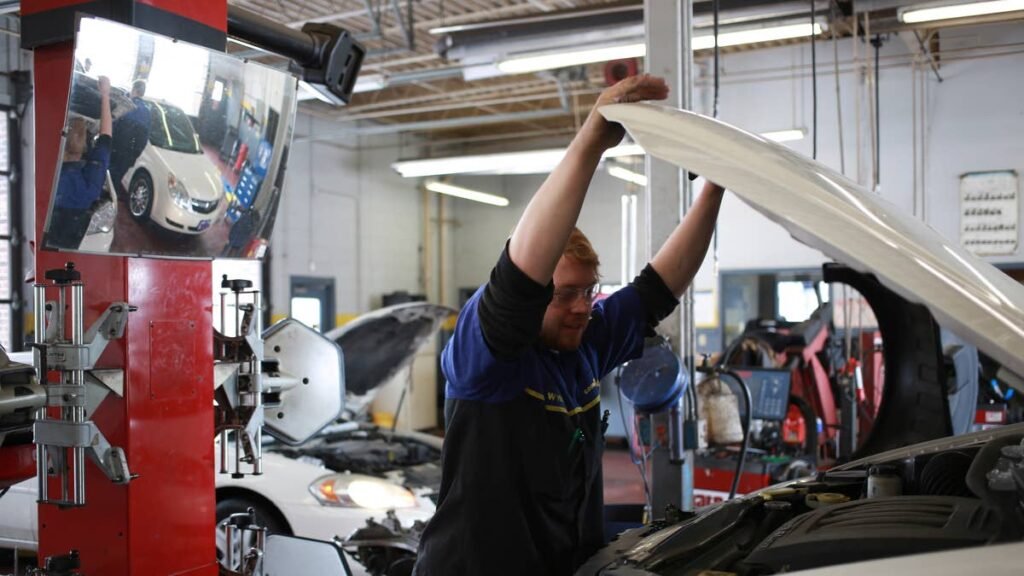
The core conflict is a battle over monopolies. Automakers and tech companies argue that independent mechanics and aftermarket parts compromise vehicle safety and cybersecurity. This stance effectively forces consumers into expensive dealership service bays. Yet, insurance organizations have long recognized the financial absurdity of these claims. Previous industry analysis highlighted that building a standard car entirely from original manufacturer replacement parts would cost roughly four times the price of a brand new vehicle. When manufacturers restrict access to diagnostic data or ban independent software resets, they eliminate the competition that keeps repair prices affordable.
Auto insurers possess the exact data needed to dismantle manufacturer excuses. Organizations like the Insurance Institute for Highway Safety have conducted rigorous crash tests showing that independent aftermarket parts perform just as safely as original manufacturer components. By actively supporting federal legislation like the REPAIR Act, which demands data sharing equality between dealerships and independent shops, auto insurers can ensure consumers have a choice. The legislation simply requires manufacturers to give independent mechanics the same technological access they give their own authorized dealers, dissolving the artificial barriers that drive up your insurance premiums.
Getty Images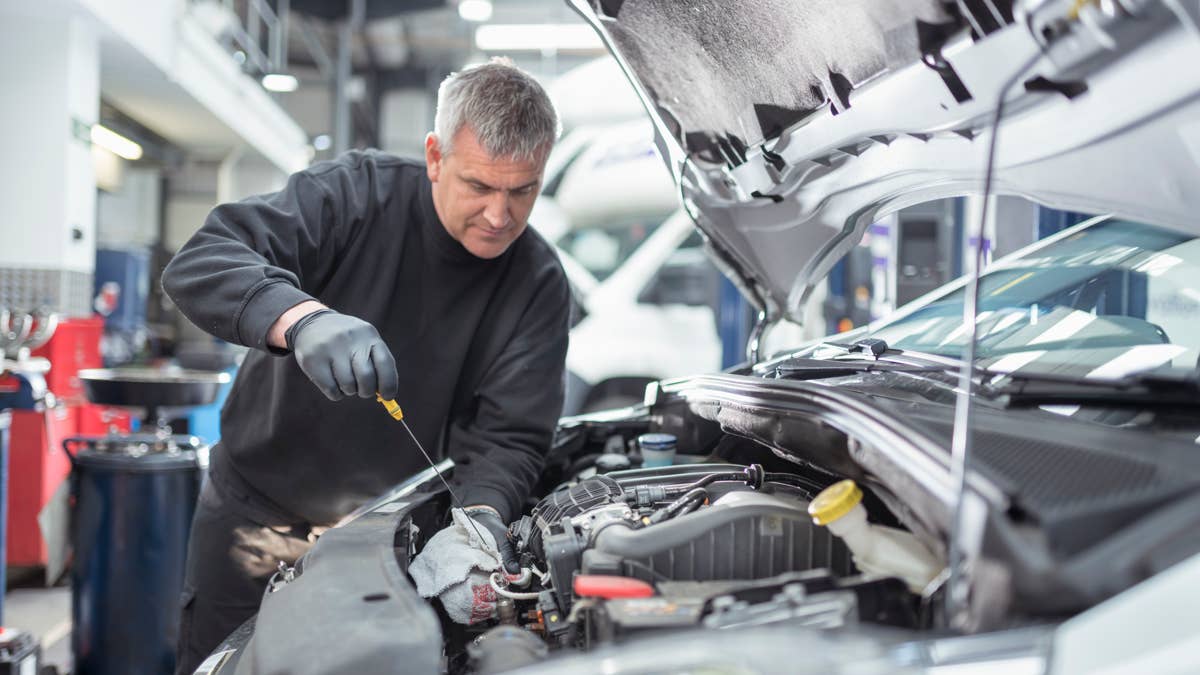
Insurance carriers can push this cause further by continuing to demand the use of certified aftermarket parts, such as those verified by the Certified Automotive Parts Association. To date, over 160 million replacement parts have met these stringent quality standards, proving that affordable alternatives exist without sacrificing safety. If insurers educate their policyholders about how these parts directly lower auto insurance costs, they can mobilize a massive voter base to support repair legislation.
Can Insurers Ensure Affordability
The battle over who gets to fix American cars is still raging. Manufacturers will continue to protect their lucrative service revenues, but the insurance industry holds the financial power and safety data to demand a fair market. By throwing their full weight behind the right to repair, insurance companies can ensure that fixing a minor collision does not completely drain the wallets of everyday drivers.