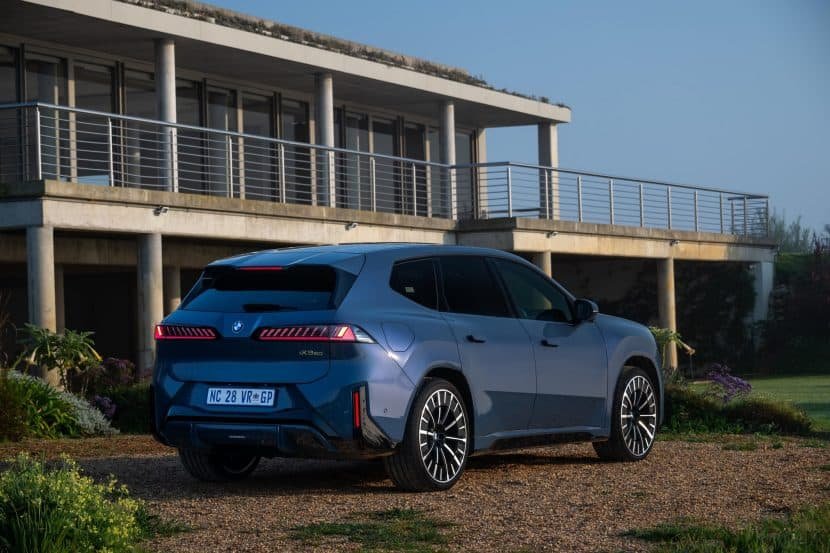
The second-generation iX3 is the latest BMW to undergo the dreaded moose test, and the results are mixed. Although it matched the Porsche Macan’s time in a handling exercise, the Neue Klasse electric SUV struggled to complete the more demanding evasive maneuver at speeds above 73 km/h (45 mph).
The Spanish journalists at km77 put the new iX3 through its paces in the 50 xDrive specification, equipped with the M Sport Package and 20-inch wheels. In fact, the test vehicle had about €20,000 worth of options, bringing its price to just under €72,000. It’s reasonable to assume that the larger optional wheels shod in Pirelli tires may have influenced the outcome.
In the initial slalom test, the electric SUV impressed the tester with its controlled body movements. Despite its size and substantial battery pack, the iX3 kept body roll in check, while the rear axle showed no excessive or abrupt reactions. The steering also allowed the driver to guide the vehicle accurately through the course.

BMW iX3: Slalom Test Result
The stopwatch backed up those positive impressions. The iX3 completed the test in 22.7 seconds, matching the second-generation Porsche Macan, which has slightly less power. That put BMW’s electric SUV among the quickest vehicles the channel tested, just one-tenth of a second behind the electric Mercedes GLC.
The result suggests BMW has done a good job managing the weight of its electric SUV, at least in this test. The 50 xDrive has a large 108.7-kWh battery pack, but those 20-inch wheels we mentioned certainly aren’t the most obvious choice for maximizing efficiency or ride comfort.
BMW iX3: Moose Test Result
The results were less impressive in the subsequent moose test, which simulates a sudden evasive maneuver around an obstacle. During the first attempt, the iX3 handled the initial steering input but struggled to change direction quickly enough to enter the second lane. The tester attributed the problem to understeer, with the front tires failing to provide enough grip to follow the intended trajectory.
After several attempts, the BMW couldn’t complete the maneuver correctly at speeds above 73 km/h (45 mph). That’s not particularly impressive, although the iX3 still outperformed its combustion-powered X3 (G45) sibling in both measured speed and the tester’s driving impressions. The electric SUV also matched the electric GLC’s speed.
However, the tester noted an important difference between the electric and gas models: the iX3 shows understeer at much higher speeds, and it is considerably less pronounced. That makes it easier to maintain the intended line and complete the maneuver.


Despite the somewhat disappointing moose-test result, the tester concluded that the iX3 inspired confidence behind the wheel. Its behavior remained predictable, without sudden or unexpected reactions that could catch the driver off guard.
The takeaway is that the new iX3 combines solid directional stability with a handling limit that becomes apparent during particularly demanding evasive maneuvers. As always, results from a single test car shouldn’t be treated as definitive, especially when the vehicle is fitted with optional wheels and tires.
The recently revealed iX3 M60 should add a sportier edge to the lineup, while next year’s likely arrival of the next-generation X3 M (ZA5) could be even more interesting. With sharper chassis tuning and more aggressive suspension setups, these M-tuned derivatives should handle sudden changes of direction better, as simulated in these tests.
Video: km77.com / YouTube
First published by https://www.bmwblog.com