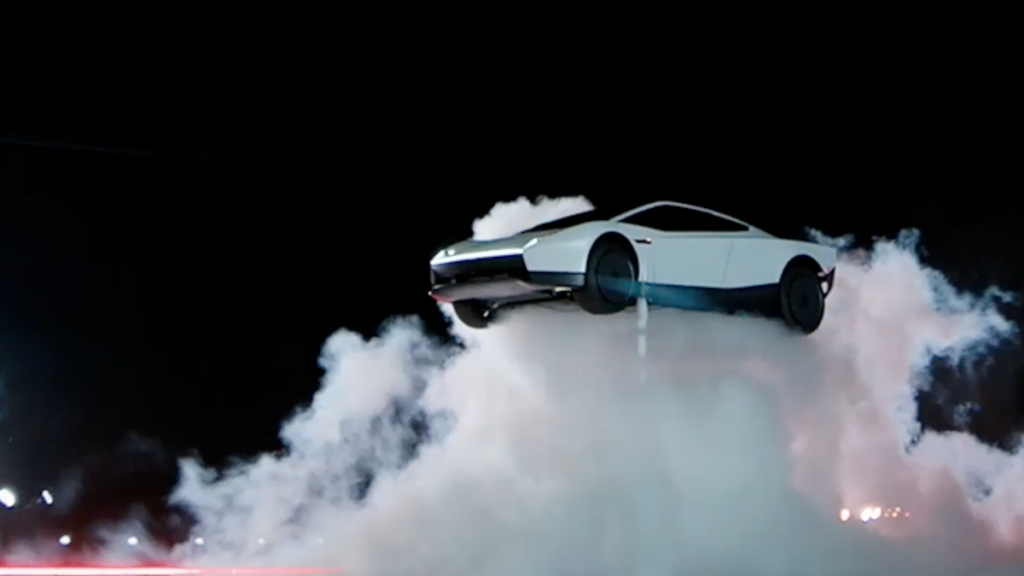
The whole world couldn’t help but sit up and take notice last week when Tesla debuted its new Roadster, a coupe (weird) it claims will be able to levitate, flip, and jump. The company also promises that the car will be capable of sucking itself to surfaces, thus creating downforce at 0 mph, and may even reach 330 mph to become the fastest car in the world. As mind-blowing as the stunts and announced targets were, they’re not exactly practical, which is probably why company CEO Elon Musk is now promising buyers a wacky looped track on which to enjoy the Roadster’s gravity-defying USPs.
That sounds like Tesla is conceding that the product it is planning to launch won’t even be a road-legal car anymore, so why go that route? Why is a company with a mission statement “to build a world of amazing abundance” announcing a $250,000+ supercar that takes six hours to refill its single-use carbon-overlaid pressure vessel (COPV; responsible for those physics-bending party tricks), and can’t be used to the full on public roads? What does the Roadster have to do with anything in Tesla’s future? Is it all just another way to build hype for SpaceX, since neither company would draw as much attention on its own, before pitching the idea of merging the two companies? Maybe, maybe not.
Arguments for the Tesla Roadster’s Creation
Tesla
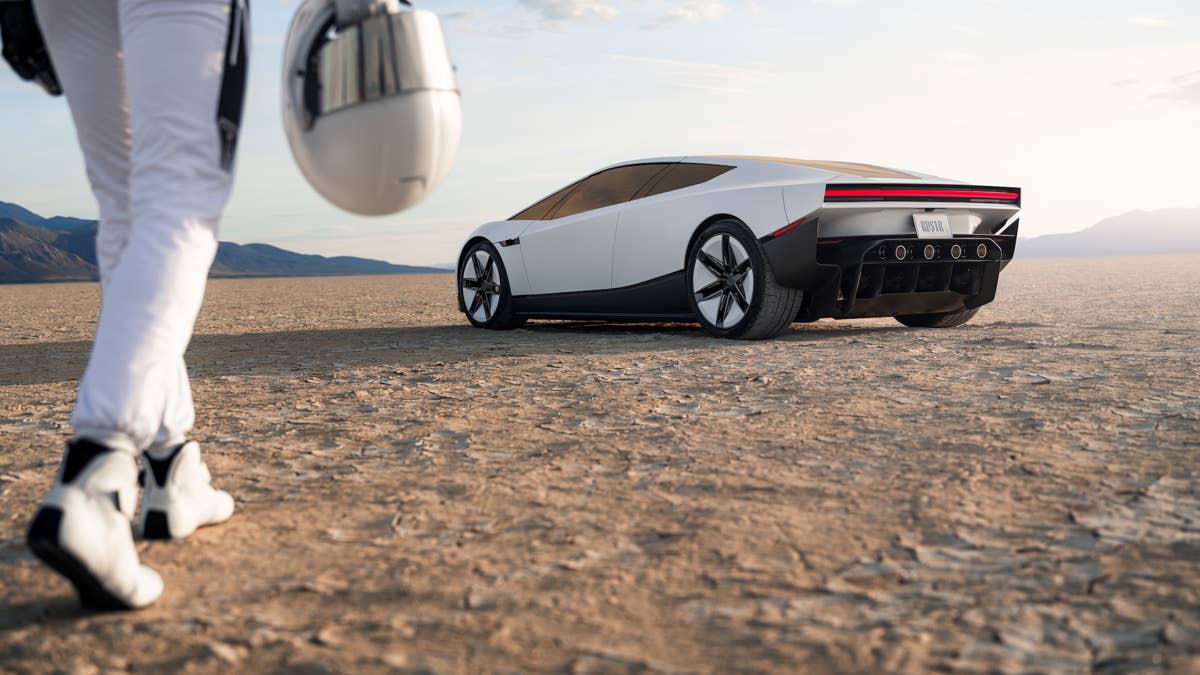
Assuming that the Roadster is unlike pretty much every other Tesla creation to date in that it goes on sale on time, with all promised features, and without any regulatory, reliability, or safety-related compromises, it would be the achievement of the decade, if not the century. And with Tesla’s habit of regularly introducing minor refinements and improvements, it’s likely that the Roadster would get even better after going on sale. Tesla also says it’s working on getting refilling times for the COPV down to half an hour, which would be acceptable for a track day. Cool, but what’s the point of a car this crazy? Just because you can?
Partly, but making ridiculous claims and setting seemingly unattainable targets have made Musk and Tesla go viral time and time again, regardless of whether promises were fulfilled or not. The same applies to the Roadster, targeted in some form for 2028: whether it gets made or not, it has already become one of the marketing triumphs of a generation, generating worldwide buzz across cultures and interests. If it somehow does reach production as intended, it would easily become Tesla’s Veyron moment, setting new automotive standards for others to try to replicate. With cold-gas thrusters and compression tanks from SpaceX and actuating elements borrowed from the Tesla Optimus robot, not to mention new Tesla battery technology, the Roadster would not only be a rolling billboard for multiple Musk enterprises, but it would also act as a symbol of engineering prestige, with tech no other automaker could easily copy for years to come. It would offer an experience that not even Bugatti could rival (albeit just once or twice before a tank refill is required).
I’m not saying Bugatti wants to build a flying car – Mate Rimac already passed on that idea years ago – but if its customers inexplicably wanted to trade 16 cylinders for the novelty of momentary flight, Bugatti would not be able to offer the option. And let’s not forget that when the cold gas is depleted, which should make the Roadster lighter, Tesla promises owners an experience worthy of the title of “last best driver’s car,” as Musk and VP of Vehicle Engineering Lars Moravy have described it. The Model 3 Performance is already so good that some of the world’s premier journalists have likened its agility to that of a BMW M3, and with thruster-controlled yaw angles and traction maximization, the Roadster should obviously be even more capable.
However, Musk’s vision is for people everywhere to be transported by autonomous Cybercab robotaxis, so how does a great driver’s car with over a thousand horsepower fit in? Again, marketing. If the Roadster meets its production target, it would arrive at a time when robotaxis are likely to be far more abundant than they already are today, but long before they’ve become commonplace and achieved mainstream adoption. Launching the spectacular Roadster at this time would give many technophiles an incentive to use a Cybercab instead of robotaxis from other companies. Instead of getting into a completely soulless robotaxi, you’re getting a small taste of something produced by the futuristic company that made a car do a kickflip and then out-perform most hypercars on a track. That will stick. And let’s just take a second to consider how awesome it is that we’re even talking about a flying, flipping car – it’s the stuff humanity has been dreaming of for a century (see the Model 11 Autoplane from 1917 and the Tampier Roadable biplane from 1921).
Tesla could sell both the autonomous robotaxi service, potentially reducing traffic, and the luxury of experiencing the peak of four-wheeled conveyance at Tesla-owned and run looping tracks, like a rollercoaster you can drive to and from its rails. Of course, we’re assuming that Tesla can be trusted with self-imposed safety standards.
The Tesla Roadster is the Smartest Dumb Idea Ever
Tesla
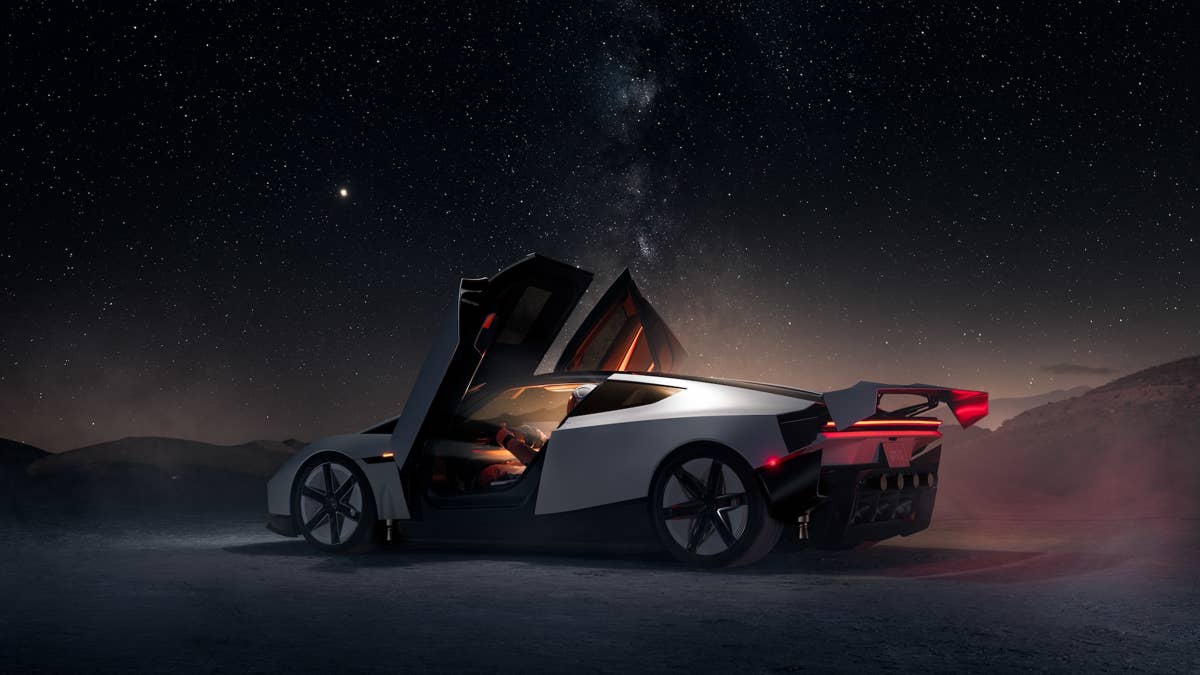
First of all, this is far from the first production-like or production-ready flying car, and mainly due to regulatory hurdles, none of those projects have gotten off the ground, so to speak, in any convincing manner. Clearly, the flying Roadster is impractical, silly, and highly unlikely to make it to the road as described during the launch event, but let’s ignore all the bright red flags and discuss other, more opaque issues. Like the Veyron, costs cannot be ignored. Bugatti and the Volkswagen Group famously lost money on every single Veyron, despite charging seven figures, which was unheard of in the mid-2000s. But Prof. Dr. Ferdinand Karl Piëch wasn’t as dismissive of the damage broken promises can cause to a brand. Granted, the Veyron project was delayed (by just two years), but Piëch threw all the might of the VW Group at the objective until all other targets were achieved or exceeded, without compromise. By stark contrast, Musk is hardly famous for meeting self-imposed targets or even sticking to a single point of view for very long.
The Tesla Roadster proposes something much wilder than a record-breaking, ultra-luxurious, superbly refined hyper-GT, and while we have no idea what the limited-production flying-and-flipping, invite-only Rocket version will cost, the Thrust version, which still has a 200-liter COVP and four gas nozzles, is priced at “just” $250k. I’m sure that Tesla engineers get a discount at SpaceX (they know the owner), but still, it can’t be cheap to design, develop, and test something this complex and clever, and with Tesla reporting negative cash flow of $1.1 billion in the second quarter of this year (driven mostly by capital expenditures in AI and the production of the Cybercab and the Optimus robot), one can’t help but wonder if a publicly traded company is wise to sink even more resources into yet another wild, potentially unprofitable idea.
Related: Rivian Starts Testing Tesla-Style Driving With Select Owners
Then there’s the issue of the Roadster’s pièce de résistance. Even without the ability to fly causing havoc when some moron decides to do a flip somewhere they shouldn’t (by the way, is the roof strong enough to handle the car’s weight if thrusters fail?), the rear-facing cold-gas thrusters are still *extremely* powerful, and anyone caught standing behind a Roadster as it attempts to reach 60 mph in half a second will surely not come away unscathed. There’s also bound to be an impact on the ears of anyone nearby, and the cold gas thrusters shown in Tesla’s demonstration produced huge clouds of white vapor. Although they disappear quickly, that’s a visibility hazard. Oh, and with the boost of thrusters, the semi-exposed rear tires will surely chuck stones and other debris at following windshields at terrifying speeds. And what happens if a case of unintended acceleration occurs?
Granted, the half-second 0-60 sprint time will surely require a launch sequence to allow everything to be correctly primed and prepared, but what happens if somebody tries to launch this thing on the street at the very moment a previously unseen cyclist or pedestrian enters the picture? Nobody has reactions fast enough to stop or react adequately to acceleration that violent; even Top Fuel dragsters, which this matches to 60 mph, need wide lanes to run safely. And if the Roadster becomes capable of 330 mph, what kind of safety can occupants expect in the event of a crash? What kind of risks might occupants be taking sitting inches from a 10,000-psi pressure vessel?
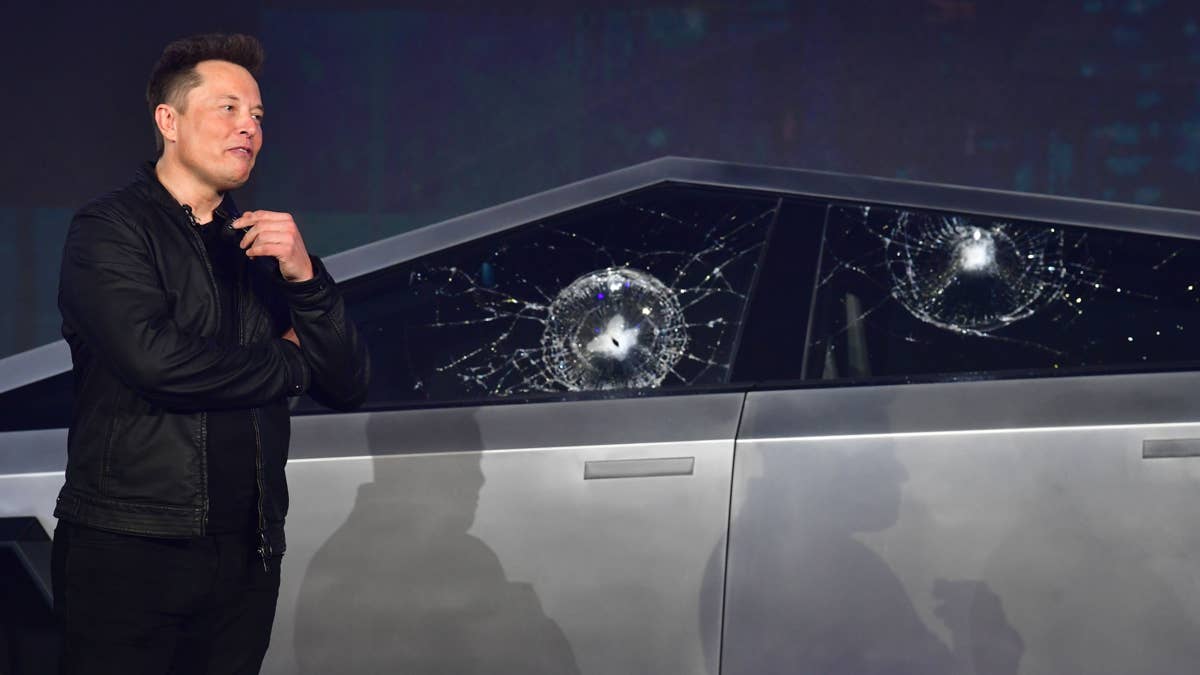
To my mind, the Roadster is much like the Cybertruck, a fantasy dreamed up by a mind that holds little to no regard for practicality, common sense, or safety. Look into Tesla’s legal disclaimers and procedures, and it claims that the “safety of all” should be a human right. Well, that’s difficult to realize if cars this ludicrous become a regular sight. But as a way to further highlight connections between Musk-owned entities, potentially to build hype for a SpaceX merger, the Roadster has already achieved plenty. Musk has denied the merger rumors, but every CEO does before announcing exactly that.
Tesla Roadster: A Gimmick for a Gimme?
Tesla
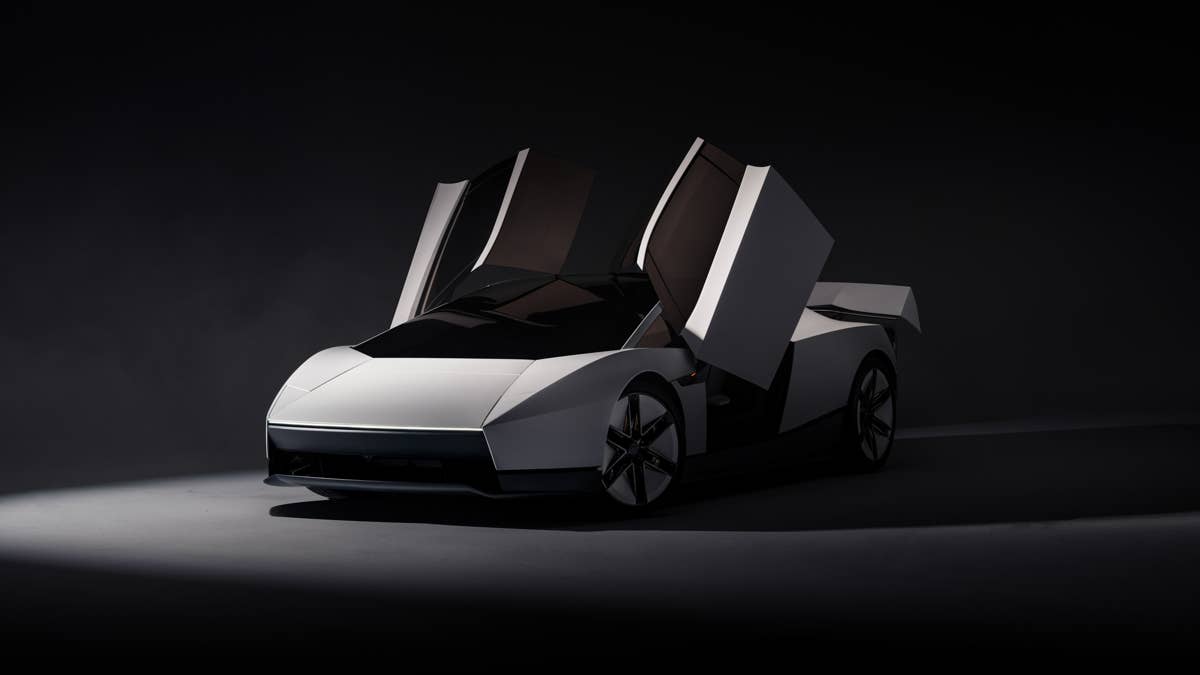
We’ve already seen Starlink and Grok make their way to Teslas, so seeing more SpaceX tech in a Tesla feels almost natural, and if a merger happens, it’ll doubtless create even more opportunities for integration and cross-pollination than just the Roadster. We know that part of Musk’s potential $1 trillion compensation package requires him to improve stock values, and that’s tough selling just Model 3s, Model Ys, Cybertrucks, humanoid robots, and autonomous vehicles, especially when other large, innovative companies like Hyundai are competing for space. But those bullish on merger potential say, “Build more hype for SpaceX and Tesla with a vehicle that would use tech from both companies before merging them, and you suddenly have one super corporation that has connections to energy generation and storage, satellite communications, transportation and logistics, artificial intelligence and supercomputing software, robotics, reusable rockets, and semiconductor and chip production.” Such a multi-tethered company could be an interesting platform for military and surveillance applications, government contracts for which tend to bring in plenty of money. This theory helps both Tesla and SpaceX, the latter of which reported almost $4 billion of negative cash flow in the first half of 2026.
Related: Tesla Robotaxis Face Investigation Over Alleged School-Zone Speeding
So with regulatory and safety concerns making the Rocket Roadster practically impossible as a street-legal vehicle (albeit potentially worked around with some kind of “off-road only” lock), not to mention the fact that Tesla’s stunt-performing demonstration vehicles did not allow a view of the cabin, suggesting they’re simplified models rather than complete, full-weight cars, it seems that the Roadster in its ultimate form is destined to be delayed even longer than the nine years we’ve already been waiting, possibly indefinitely. And Tesla’s own fine print for just the Thrust version’s reservation agreement is already tempering expectations. According to Clause 4: “Delivery: You understand that Roadster is still under development at the time you entered into this Agreement, and so we cannot guarantee when your vehicle will actually be delivered or if it will be delivered [at all].”
The Bottom Line: We’re Talking About Tesla, and That’s All That Matters
All of this suggests the Roadster demonstrations were not meant to preview something anybody can own, but to generate hype for yet another cash-consuming dream that needs a miracle to become profitable. Musk is a master of moving debts and leveraging stocks to achieve his objectives, but that may not work forever. For reasonable individuals who want reservations fulfilled, the flying Roadster is pie-in-the-sky stuff, at least for the foreseeable future and at least until the NHTSA gives cold-gas thrusters a pass and the FAA hands out licenses in the mail. Although Tesla has pleasantly surprised me once or twice before, I’ll gladly eat my hat if the Roadster enters production as promised before the end of the decade. The company took four years to make the Cybertruck, and although that’s far simpler than this Roadster, it still falls short of some of Musk’s promises. To that point, let’s not forget the countless crashes, lawsuits, recalls, and fires that have proven Tesla, like any other company, often delivers imperfect products. Yet no failure seems capable of dimming enthusiasm among Tesla’s most ardent fanatics.
Tesla and Musk have amassed such a large, faithful following that even without meeting targets time and time again, there will always be some willing to wait around, hooting and hollering every time the man makes a crazy statement/promise or moves a self-imposed goalpost. That’s not a political statement (and I hope the comments section stays free of them); Tesla is a juggernaut of a company, and it’s perhaps as demanding of its remarkably talented staff as Apple in the Steve Jobs era, but even with a $1.48 trillion market cap, I struggle to fathom the possibility of a reality in which Tesla will introduce the flying Roadster before its CEO finds another near-impossible side quest to redirect resources towards. And why not? Attention is the new currency, and Musk keeps finding new ways to cash in.