When the Volkswagen ID.Buzz was first unveiled in 2022, there were hopes that its nostalgic ties to the iconic VW Bus would endear it to a whole new generation of families, road-trippers, and adventurers. That never quite materialized, as U.S. sales of the electric van have been poor (down by 82% in 2026), not helped by VW skipping the entire 2026 model year for the EV. High pricing and a generally sluggish EV market are to blame, but VW is already working on a cheaper second-generation ID.Buzz. Here’s what we know about it.
What’s Next For The ID.Buzz
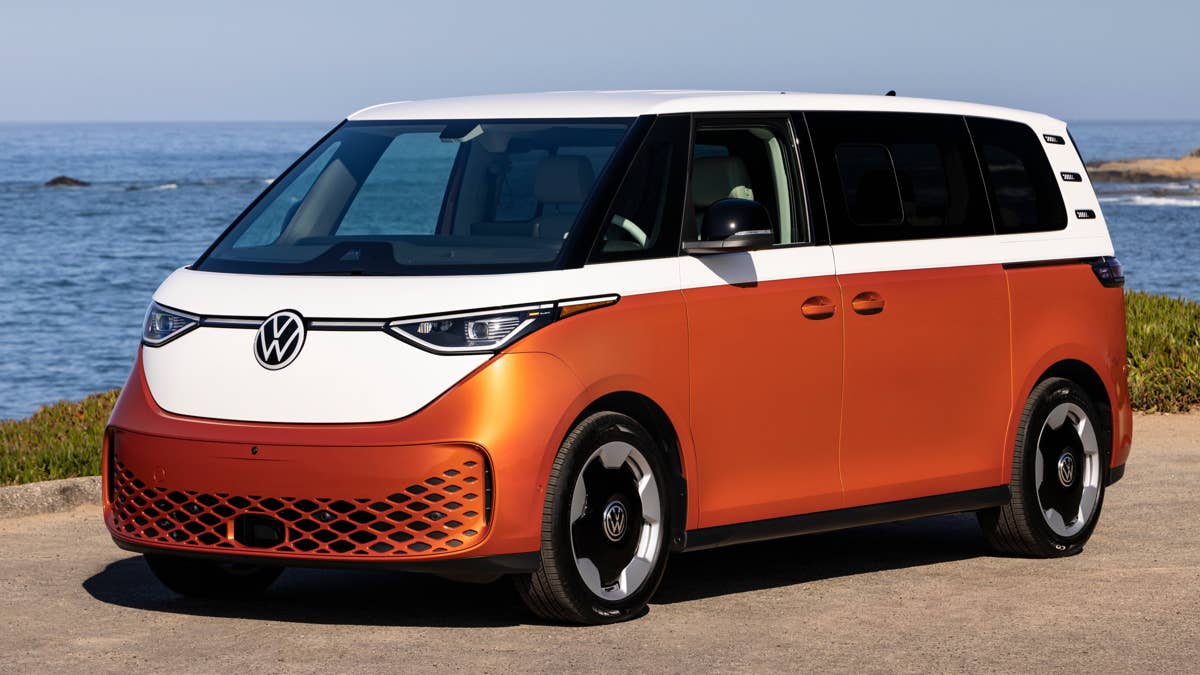
The current ID.Buzz is now only expected to return in the first half of 2027, most likely as a 2028 model-year vehicle. VW did not go into detail about what changes we can expect, but it’s a conspicuously long break for a still-fresh vehicle that arrived as recently as the 2025 model year.
The bigger story appears to be what the brand’s plans are for the second-gen ID.Buzz, and some of those details have now come to light in a new interview. According to VW CEO Thomas Schäfer, the next-gen model will be based on the VW Group’s Scalable Systems Platform (SSP) architecture, which will succeed the current ID.Buzz’s MEB Platform.
VW
“The car is iconic, absolutely,” said Schäfer in an interview with Auto Express at this week’s Paris Motor Show. However, he admitted that pricing has been an issue and said the VW retro minivan “is on the wrong cost base. That makes it difficult to really be successful and get into volume in the market, unfortunately.”
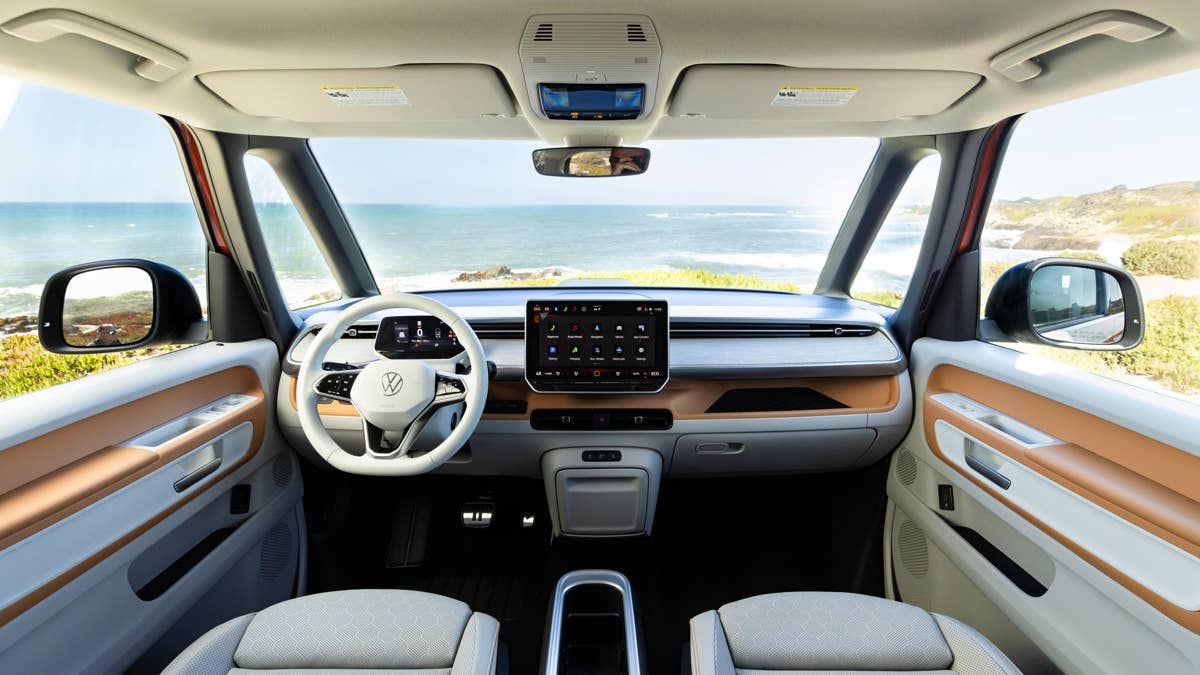
Starting at around $60,000 when last on sale in the U.S., the ID.Buzz is significantly pricier than gas-powered minivans. Asked about how the next ID.Buzz could be more affordable, Schäfer pointed to new lithium-iron phosphate batteries as a key part of the puzzle. That, along with the fact that the SSP platform will underpin a vast number of VW Group vehicles, could help to bring down costs. Faster charging, an improved range, and better software are further SSP benefits that we can expect to see in the next ID.Buzz. We also expect the next iteration of the van to adopt the more user-friendly controls found in the new ID.Tiguan.
As for when the second-gen model arrives, that’s unclear, but we may have to wait until the end of the decade for the it.
Alternatives To The ID.Buzz
Kia EV9
Kia
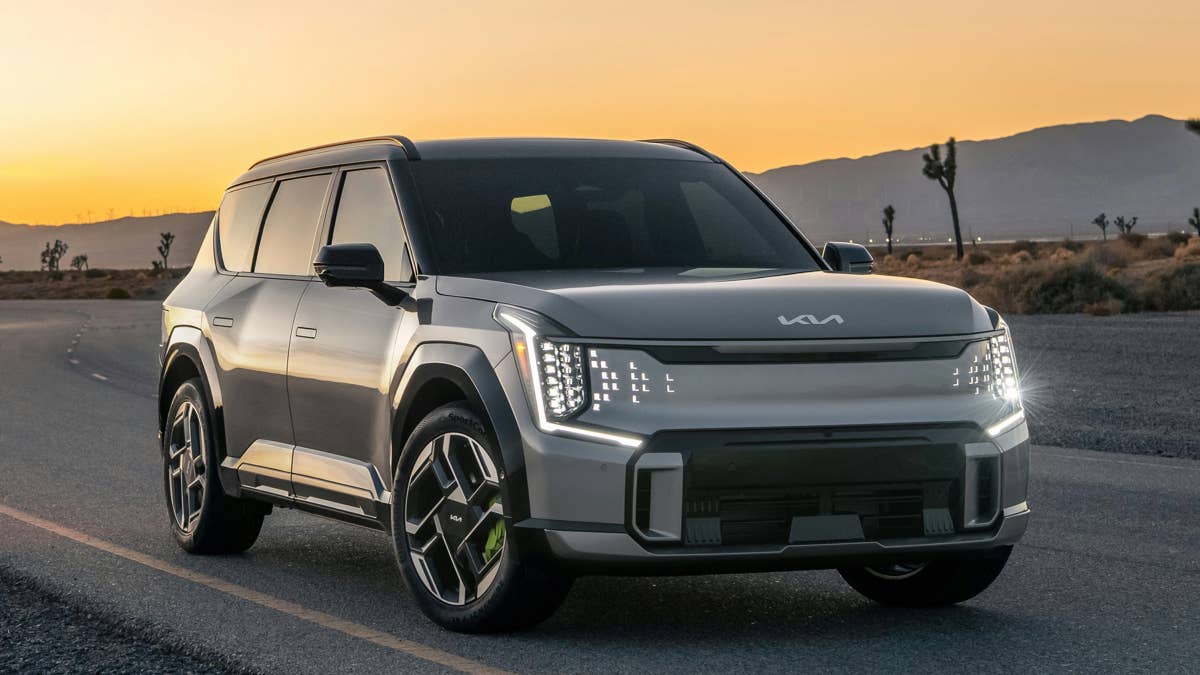
With the ID.Buzz on a longer-than-expected hiatus and the second-generation model still some way off, the two closest competitors—with three rows of seating and an electric powertrain—are the Kia EV9 and Hyundai Ioniq 9. Yes, these are crossovers rather than minivans, but they deliver an experience that’s closer to the ID.Buzz than traditional minivans like the Honda Odyssey.
Both these vehicles are cheaper than the most recently available ID.Buzz. The EV9 starts at $54,900 and the Ioniq 9 has a base MSRP of $58,955. Both have more range than the VW; the EV9 gets up to 305 miles and the Ioniq 9’s most capable trim gets 335 miles. The ID.Buzz is way down at 234 miles.
In our comparison of the Ioniq 9 and ID.Buzz, the Hyundai stood out for its range, usability, performance, comfort, and lower price. The VW’s main advantage is its irresistible character; it elicits more smiles than any other minivan or SUV on the road. But the emotional pull of the VW has not been enough to convince most buyers.
Final Thoughts
VW
The next-gen ID.Buzz could have a much better chance of succeeding with an improved range and a base price that’s closer to $50,000. We only hope VW doesn’t mess too much with the cheerful design, which distinguishes the ID.Buzz from its rivals. By the time the next ID.Buzz arrives, the three-row EV space will have welcomed new talent. Toyota will soon launch the Highlander EV and the related Subaru Getaway is coming, too. Buyers now expect substance from their EVs, not just visual charm, and that’s what we’re hoping to see more of in the next ID.Buzz.
Related: I Drove the VW ID. Buzz & Now I Know Exactly Why It Turns So Many Heads: Here’s My Review