Volkswagen Group is officially in panic mode. According to leaked supervisory board documents, management is quietly proposing the unthinkable by completely shutting down four major German manufacturing plants between the years 2031 and 2034. Emden, Zwickau, Hanover, and Audi Neckarsulm are all on the chopping block as the automaker scrambles to implement massive cost cuts across its sprawling and highly complex global empire to stay alive.
The timing could not be more critical for the brand. CEO Oliver Blume is marching into a highly contentious September 4 supervisory board meeting determined to ram through these radical reductions. With profit margins sitting at a miserable 4.2 percent and cheap Chinese EVs flooding the market, these domestic facilities are literally fighting for survival against brutal economic headwinds.
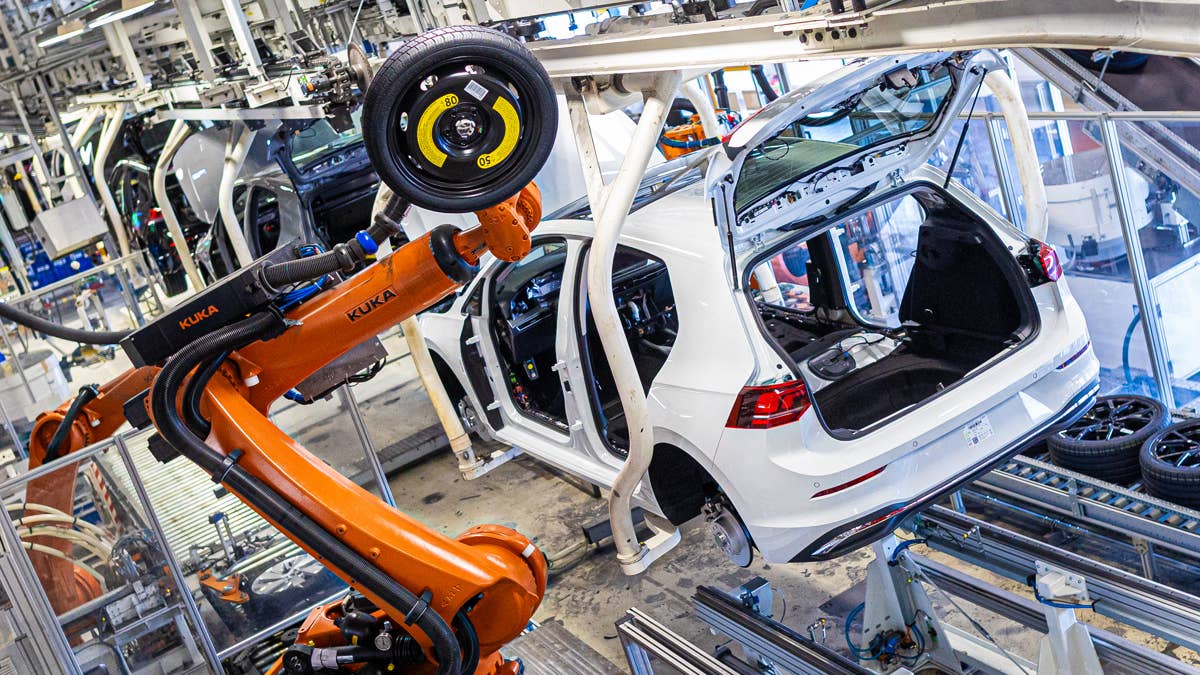
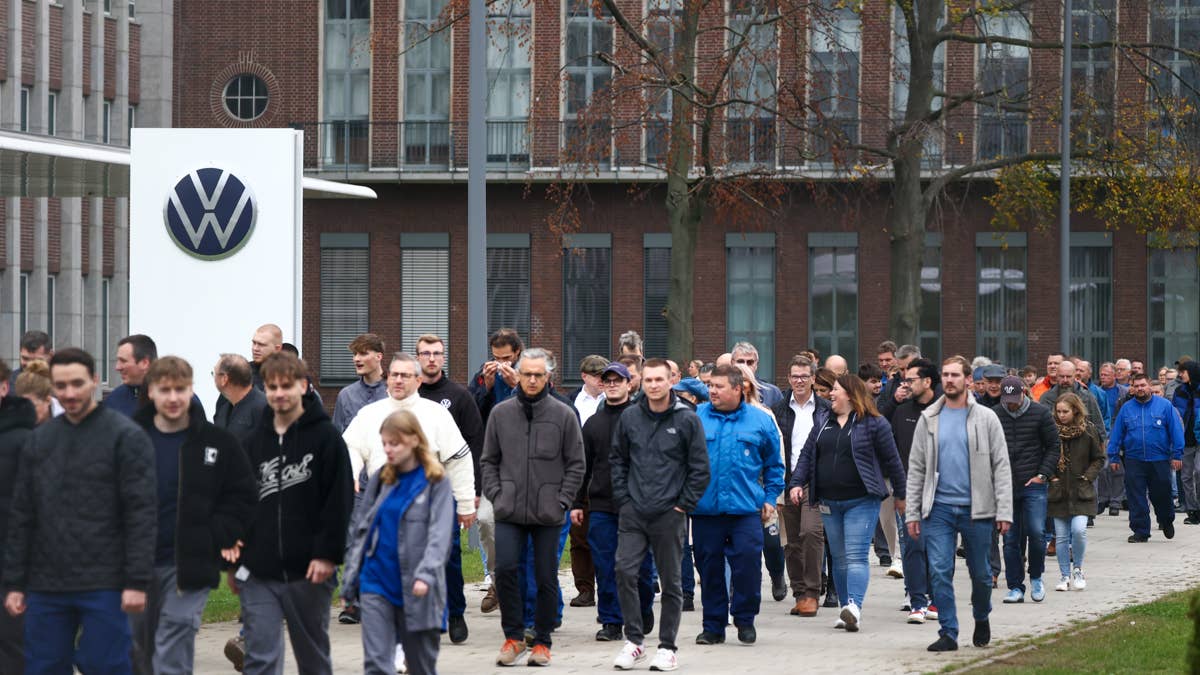
Moritz Frankenberg/picture alliance via Getty Images
The Gory Details
According to a report from Reuters, if CEO Oliver Blume gets his way, Emden and Zwickau will go dark first in 2031. This is a staggering retreat considering these locations build flagship EVs like the ID.4, ID.7, and Q4 e-tron. Hanover, home of the electric ID Buzz, would follow in 2032. Finally, the Neckarsulm plant, responsible for combustion staples like the A5 and A6, would shutter by 2034.
This drastic restructuring plan is fueled by terrifying internal forecasts. The VW Group expects to sell only 8.5 million cars globally this year, a sharp drop from 8.98 million in 2025. To raise capital and hit a targeted 9 percent profit margin, the documents suggest shedding stakes in prized assets like Ducati, Traton, and QuantumScape.
Naturally, this has triggered absolute warfare with labor leaders. Union bosses warn that a staggering 140,000 jobs are suddenly at risk globally. The brand is already severely shrinking its workforce, yet Blume claims the current trajectory makes funding future operations impossible due to costly overcapacity and crushing US tariff burdens.
The Harsh Reality
VW seems to be planning an unconditional surrender to the modern automotive landscape. For decades, VW’s German footprint was considered sacred ground, protected by state stakeholders and fiercely loyal unions. Now, facing extreme pressure from the Porsche-Piech ownership families, management is willing to detonate its domestic legacy just to appease shareholders and fend off agile Chinese competitors.
Terrifyingly, in this new era, no one is entirely safe from the blade. Even as overseas facilities celebrate massive American plant milestones, those successes offer little comfort to a brand realizing it is fundamentally bloated. Volkswagen Group is bleeding, and these proposed factory executions prove the golden age of German auto manufacturing is undeniably over.