A Crisis That Didn’t Happen Overnight
In case you aren’t aware at this point, Volkswagenis currently in crisis mode. The German giant has been juggling sluggish demand, a messy restructuring, and heat from Chinese rivals. VW’s home turf is in survival mode as the company scrambles to slash costs and stay in the game.
Volkswagen’s latest first-half 2026 sales numbers shed some light on why the higher-ups have been making some tough calls. From January to June, Volkswagen Group moved 4.13 million vehicles worldwide – a 6% drop from last year. BEVs also took a 6% dip to 438,500 units, but plug-in hybrids and range-extenders bucked the trend, jumping 27% to 246,000 deliveries.
A six-percent drop might not sound like the end of the world, but when you’re one of the planet’s biggest carmakers, losing hundreds of thousands of sales in half a year is a big deal – especially while your rivals are still on the rise.
Volkswagen’s Biggest Problem
VW’s regional numbers easily show the company’s problematic spot. China, once VW’s golden goose, is now by far the weakest link. Deliveries there nosedived 26% in the first half of 2026, dropping to 973,000 vehicles and dragging down the global tally. Even with new locally built EVs, Volkswagen couldn’t dodge the wider slump in China’s car market.
Step outside China and things start looking up. Western Europe grew 3% with nearly 1.75 million deliveries, Central and Eastern Europe jumped 7%, and South America shined with an 8% boost to over 327,000 vehicles.
Volkswagen says its European EV order bank has ballooned by over 50% since the end of 2025, thanks to hot demand for its new Electric Urban Car Family. More than 54,000 orders are already in for these wallet-friendly EVs.
So, demand hasn’t vanished. The real problem is that wins in Europe and South America just can’t make up for the China-sized hole in Volkswagen’s numbers.
Volkswagen
America Is Moving in the Opposite Direction
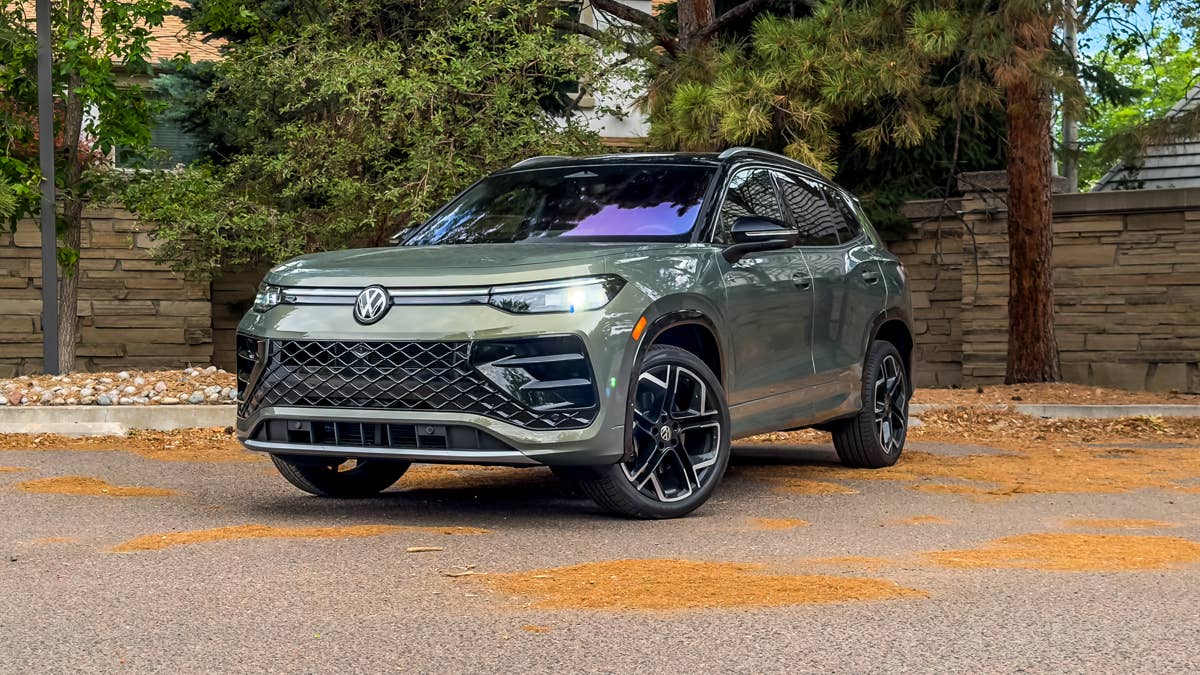
Meanwhile, Volkswagen’s US story is a whole different ballgame. Volkswagen of America moved 89,158 vehicles in the second quarter, up nearly 25% from last year. The redesigned Tiguan stole the show with a wild 152.5% sales jump, and the all-electric ID. Buzz wasn’t far behind, soaring 121.5% as deliveries picked up speed.
SUVs are still Volkswagen’s bread and butter. Atlas sales jumped 18.6%, Atlas Cross Sport ticked up 7.3%, and the whole SUV lineup surged nearly 30%. The lone outlier was the Taos, which tumbled almost 44% – probably because a new version is on the way. Passenger cars held their own too, climbing 10.6% thanks to the Jetta, GTI, and Golf R.
In H1 2026, Volkswagen sold 162,961 vehicles in the US – a 2.3% bump over last year. Obviously, the company isn’t floundering everywhere. Some markets are actually thriving. But when your biggest market drops by more than a quarter in half a year, even the best performances elsewhere can’t keep the global scoreboard in the green.
Chase Bierenkoven