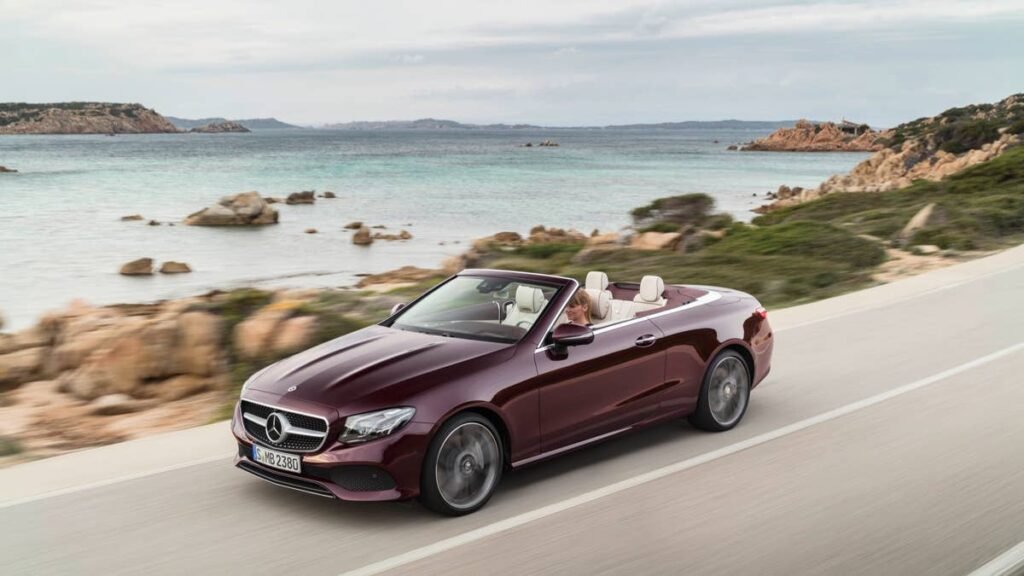
Key members of the U.S. Senate are reconsidering strict ownership caps in proposed national security legislation that would restrict vehicles produced by companies with significant Chinese equity. Originally designed under the Connected Vehicle Security Act to prevent foreign adversaries from accessing vehicle networks, the bill proposed a 15% ownership ceiling for parent companies. That threshold immediately exposed major European brands, most notably Mercedes-Benz, which carries nearly 20% Chinese shareholding, to severe operational disruptions and potential market exclusion.
The ongoing policy adjustments reflect a growing recognition on Capitol Hill of the complex ownership structures defining modern automotive manufacturing. With lobbying efforts intensifying ahead of a crucial vote, senators are evaluating carve-outs and threshold increases to shield long-standing European partners from collateral damage. This shift underscores the challenge of crafting legislation that addresses genuine cybersecurity concerns without impairing global allies or domestic manufacturing operations.

Wang Gang/VCG via Getty Images
Stalling Votes Amidst Code Purges
The effort to fast-track the Connected Vehicle Security Act hit a wall when lawmakers delayed final action due to individual Senate objections over foreign corporate impacts. “What we’re not going to do, obviously, is ban Mercedes-Benz vehicles in America,” bill co-sponsor Senator Bernie Moreno told Reuters, adding that lawmakers are actively negotiating solutions over concerns regarding whether these companies “can get to 15% without debilitating their company.” Unanimous consent stalled as negotiators continue working to balance strict security targets against the real-world operations of allied automakers.
At the same time, manufacturers are working to comply with Department of Commerce rules that mandate the removal of foreign software integrated into connected vehicles. Compliance timelines have tightened, as carmakers adapt by auditing supply lines to extract software written or maintained by foreign entities. The effort highlights the deep technical integration within modern vehicles and the friction involved in decoupling global software stacks.
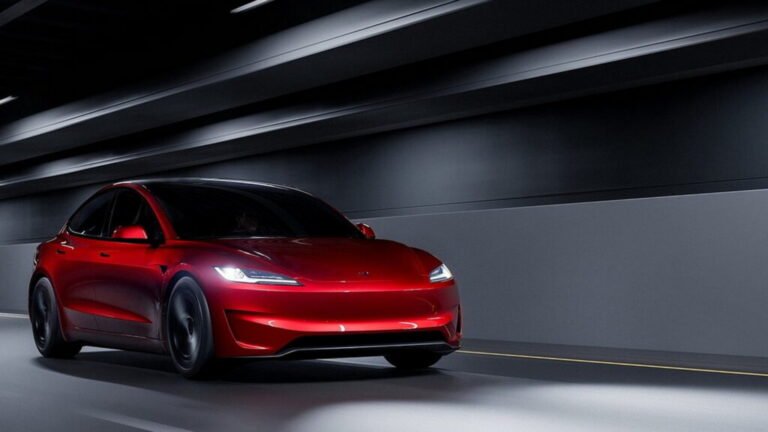
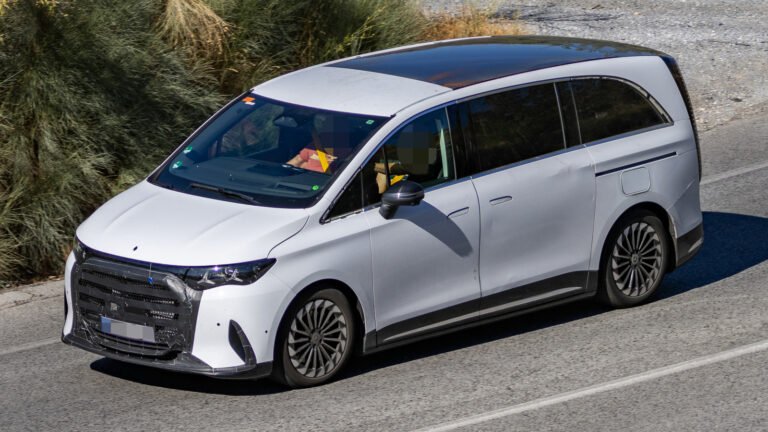
Surrounding the regulatory debate is a noticeable evolution in American market perception. Recent industry surveys reveal that consumer interest in chinese electric vehicles is rising, driven by curiosity regarding software features and pricing. This shift indicates that public familiarity with international brands is expanding even as statutory doors remain shut.

Ford
The Limits of Protectionism
The Senate’s willingness to adjust foreign ownership restrictions for brands like Mercedes-Benz reveals the inherent flaws in broad-brush protectionism. While security concerns surrounding connected technology are valid, blanket bans often create regulatory paradoxes that penalize established allies. Protectionist arguments pushed by industry executives emphasize defending local manufacturing against heavily subsidized competitors, yet regulatory carve-outs demonstrate how difficult it is to separate global capital from domestic production.
Ultimately, shielding the domestic market through strict trade barriers cannot replace competitive innovation. Tariff walls exceeding 100% may protect profit margins in the short term, but buyer demand for accessible electric mobility indicates a growing disconnect between policy objectives and market expectations. Rather than relying on rigid statutory bans that require constant legislative patching, Washington should prioritize building a resilient, technologically competitive domestic sector that can stand on its own merits.
GWM