The Trump administration has formally criticized Ford Motor Company regarding its business partnerships with Chinese automotive firms. U.S. Transportation Secretary Sean Duffy sent a letter to Ford CEO Jim Farley on Tuesday, expressing profound concern over the automaker’s relationships with CATL, Geely, and BYD. The transportation department is explicitly urging the Detroit automaker to immediately sever these international ties.
This regulatory pressure arrives shortly before President Donald Trump is scheduled to meet with Chinese President Xi Jinping. While policymakers in Washington are aggressively pushing to tighten restrictions on foreign vehicles entering the domestic market, Ford executives admit that permanently blocking global competitors may be unrealistic in the long term.
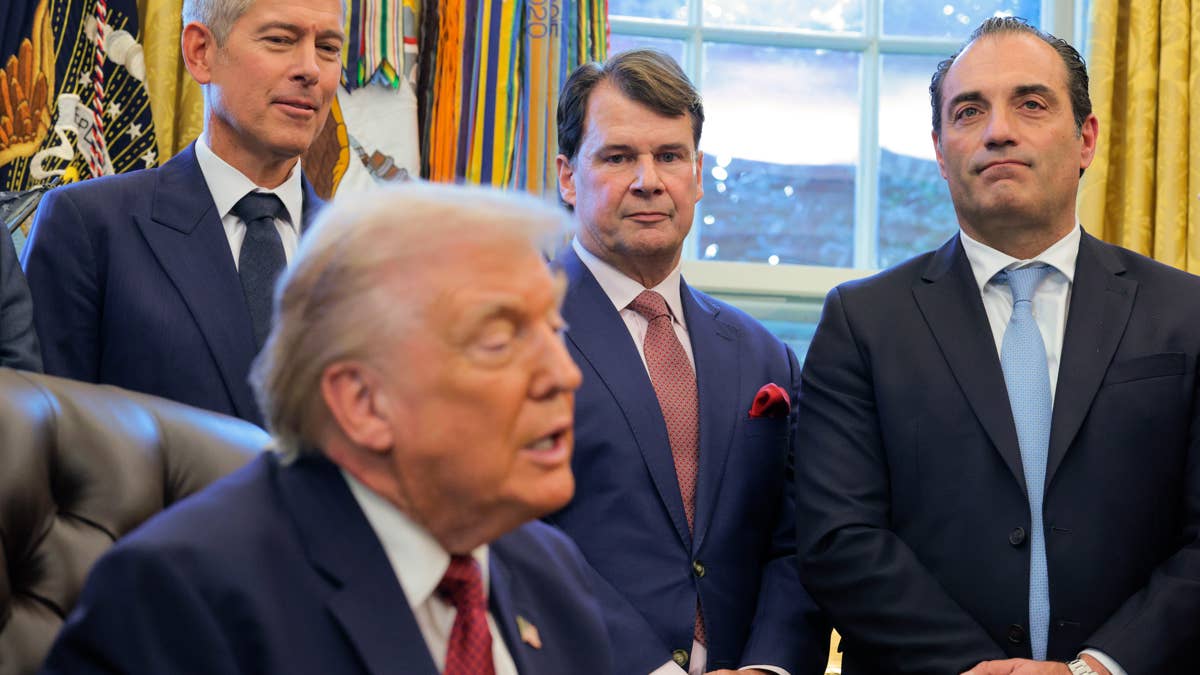
Chip Somodevilla/Getty Images
Duffy Criticism
According to a Reuters report, Duffy’s letter highlighted deep alarm over Ford’s reliance on CATL-licensed technology for its upcoming battery plant in Marshall, Michigan. The transportation secretary pointed out that the battery manufacturer currently sits on a Pentagon list of companies accused of having military ties. Duffy also sharply criticized the corporate decision to continue manufacturing the Lincoln Nautilus in China until at least 2030.
The administration further scrutinized Farley’s pitch at the Detroit auto show earlier this year to facilitate joint ventures on American soil. This political scrutiny highlights a complex industry dynamic, especially since a major automaker lobbying alliance recently urged Congress to ban Chinese connected vehicles entirely and deny any waivers for competitors.
Ford quickly issued a statement pushing back against the regulatory letter, describing it as a wrongheaded attempt to generate political headlines. The automaker defended its long-term strategy by emphasizing that it completely owns the Michigan facility, controls the operations, and employs an American workforce. Furthermore, Ford pointed out that it is actively investing in domestic battery production while competitors still rely on imported technology.
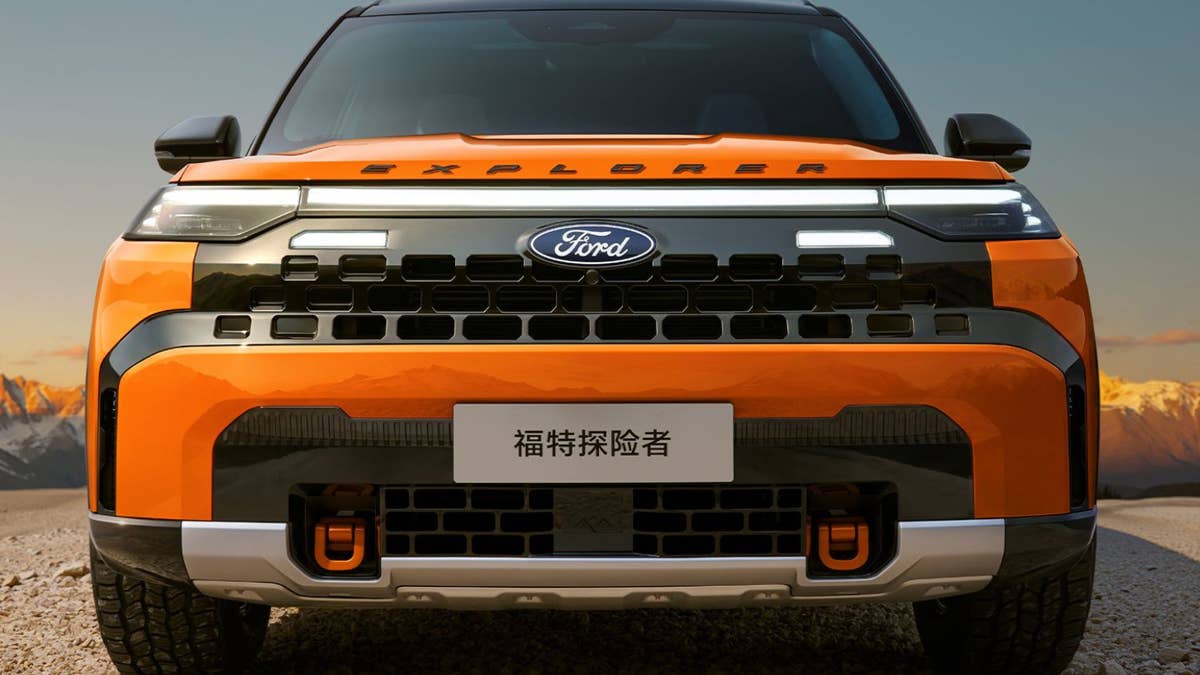
Ford
The Reality Of Automotive Supply Chains
The political rhetoric surrounding these corporate partnerships often ignores the harsh realities of global automotive manufacturing. Establishing a completely independent domestic supply chain takes years of development and immense capital investment. As Toyota recently acknowledged, matching the efficiency and technological pace of overseas manufacturing is now essential for corporate survival. Legacy brands are under immense pressure to adapt to a rapidly evolving industry without falling behind on innovation.
Automakers must constantly navigate a challenging middle ground between strict government mandates and global market viability. For instance, Ford partnered overseas with Geely because such collaborations offer necessary economies of scale that simply cannot be ignored. While lawmakers view these strategic dependencies as national security risks, manufacturers view them as necessary bridges until domestic infrastructure can fully support the automotive transition.
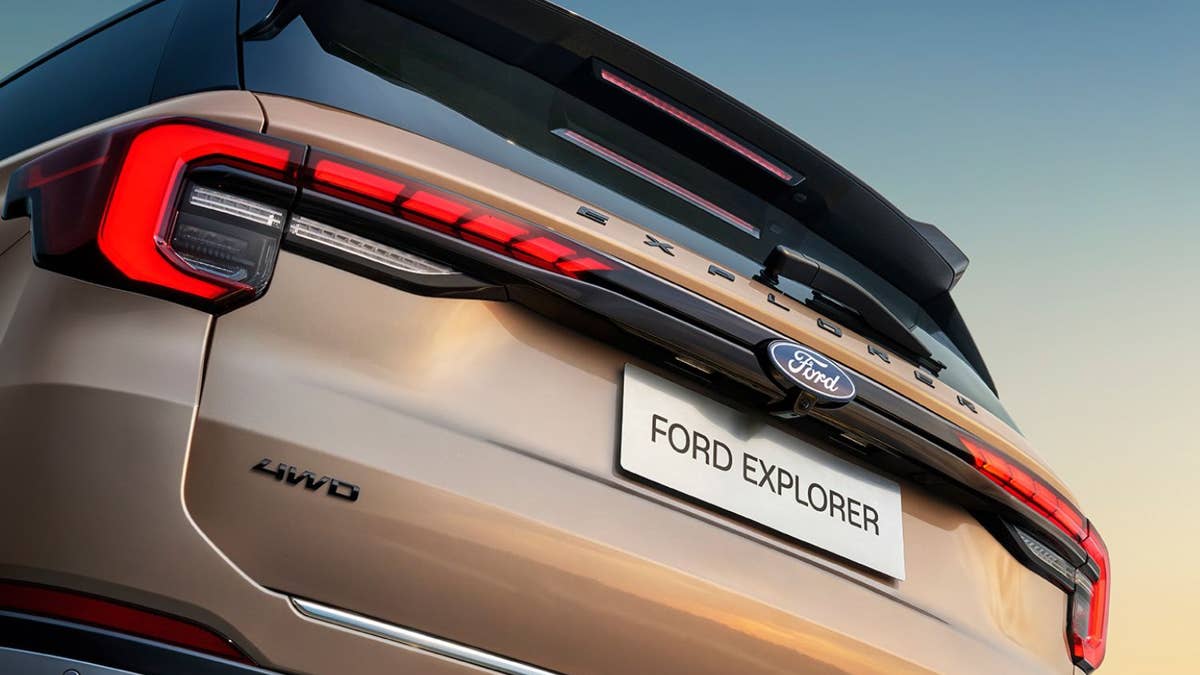
Ford