Race Car First, Street Car Second
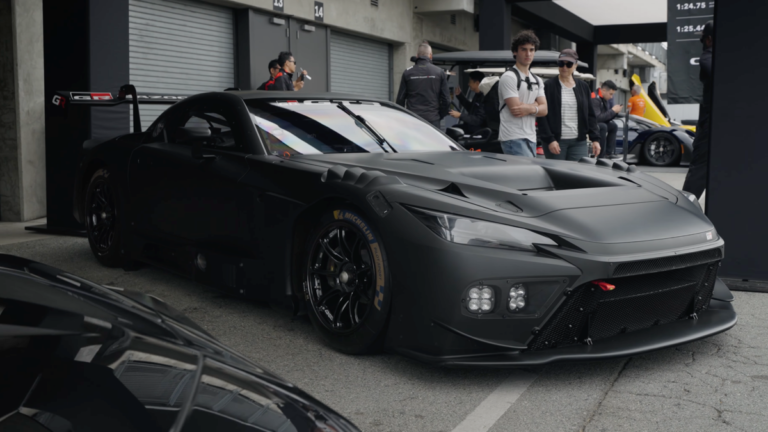
Toyota is officially overturning the traditional motorsport development model with the Gazoo Racing GT3 program. The engineering division bypassed the standard procedure of modifying a production sports car for track duty. Instead, they built a dedicated competition chassis from the ground up to ensure absolute aerodynamic and structural superiority on the circuit.
This aggressive race-first philosophy actively prevents the performance dilution that typically occurs when street cars adapt to motorsport regulations. Because the aerodynamic mapping and chassis geometry stem directly from endurance racing, the resulting production version will deliver uncompromised mechanical grip and authentic track pedigree straight from the showroom floor.
Hot-V Tech and Shared DNA
At the center of this engineering effort sits a front-mid-mounted twin-turbo V8 engine utilizing a hot-V layout. Placing the turbochargers inside the cylinder banks allows the engineering team to centralize mass and package the powerplant deep against the firewall.
The connection between the circuit and the street is genuinely staggering compared to standard industry practices. According to Toyota Senior Vice President of Automotive Operations Andrew Gilleland, this connection is entirely deliberate. “This entire vehicle was designed to be a race car first,” Gilleland explained, noting the functional styling. “So you look at the road car, you see all the aero bits and pieces. Those aren’t for show.”
Gilleland confirmed the GT3 shares over 80% of its components with the road car, far exceeding the 25% commonality found in the outgoing Lexus RC F GT3 platform. With testing underway on international circuits, automotive insiders expect the manufacturer to eventually introduce a stripped-down hardcore variant to further satisfy driving purists.
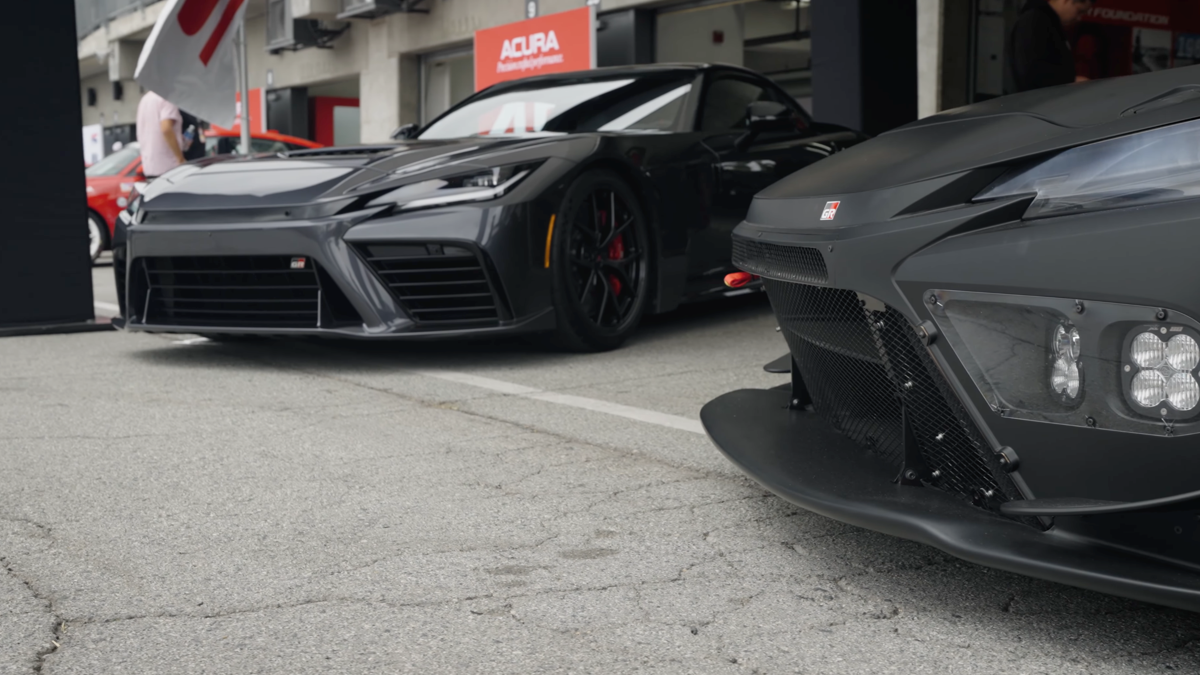
YouTube | @imsaofficial
A Masterpiece Many US Buyers Will Miss
Toyota’s commitment to an authentic motorsport-derived supercar feels like a massive victory for traditional driving dynamics. While the broader automotive landscape rushes toward silent electric platforms, Chairman Akio Toyoda continues to champion emotional driving experiences driven by mechanical feedback and internal combustion noise.
Despite the engineering brilliance behind the project, the harsh reality of global allocation will inevitably sting local driving purists. High production costs and restrictive market regulations mean American buyers will face incredibly limited numbers if they receive the vehicle at all. It remains a spectacular machine that many dedicated fans will only experience from the grandstands.
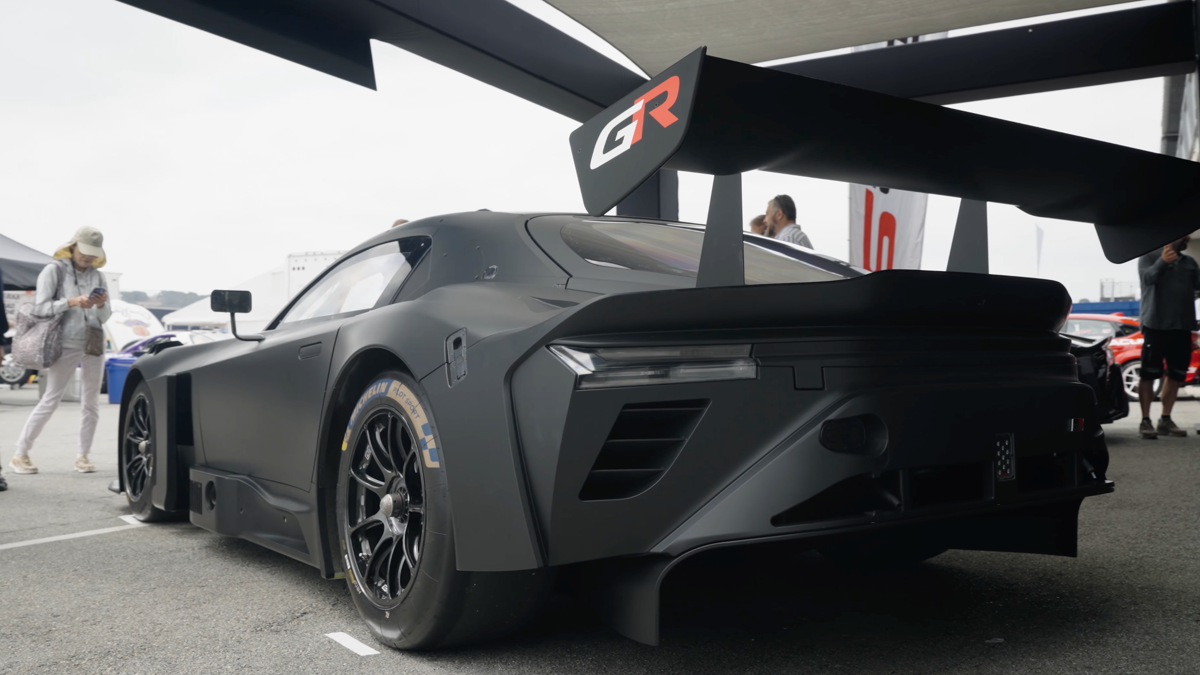
YouTube | @imsaofficial