Exhausting All Options
Toyota‘s approach to sustainable mobility has been measured and pragmatic; while the world has gone deep into EVs, the Japanese auto giant has chosen to explore all options. Pioneers in Hybrid technology, they’ve now also invested heavily in hydrogen-powered cars and are the only manufacturer still producing a Fuel Cell Electric Vehicle (FCEV), the Toyota Mirai.
Not one to be deterred, Toyota isn’t giving up on the FCEV technology; in fact, they’re testing it further through their favorite testing program, racing.
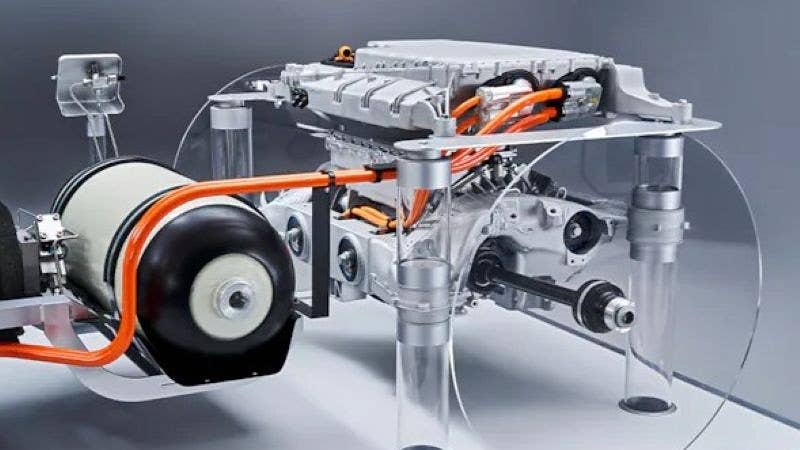
2027 Toyota Hilux GR FCEV
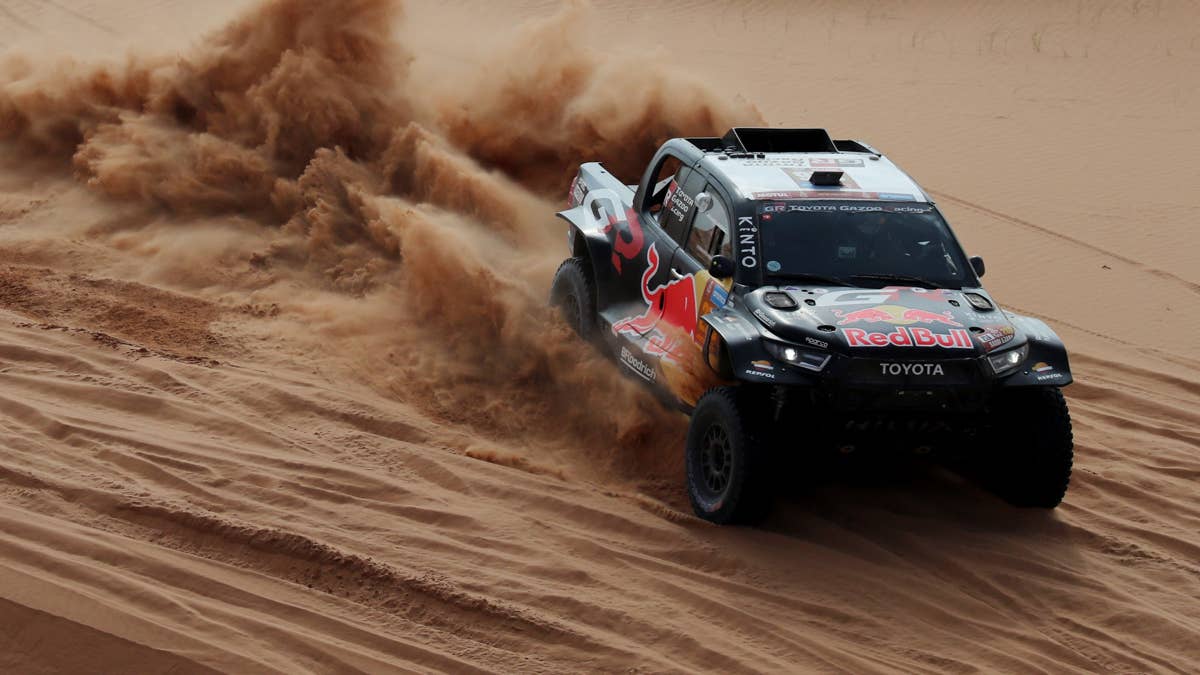
Toyota, under outspoken (EV Skeptic) Akio Toyoda, has always used racing as a new way to test technology in its drive to produce even better cars. Toyoda (also known as Morizo) himself tests and races new sustainable technology race cars. Its latest venture is a tall task, but one that will certainly be watched by all.
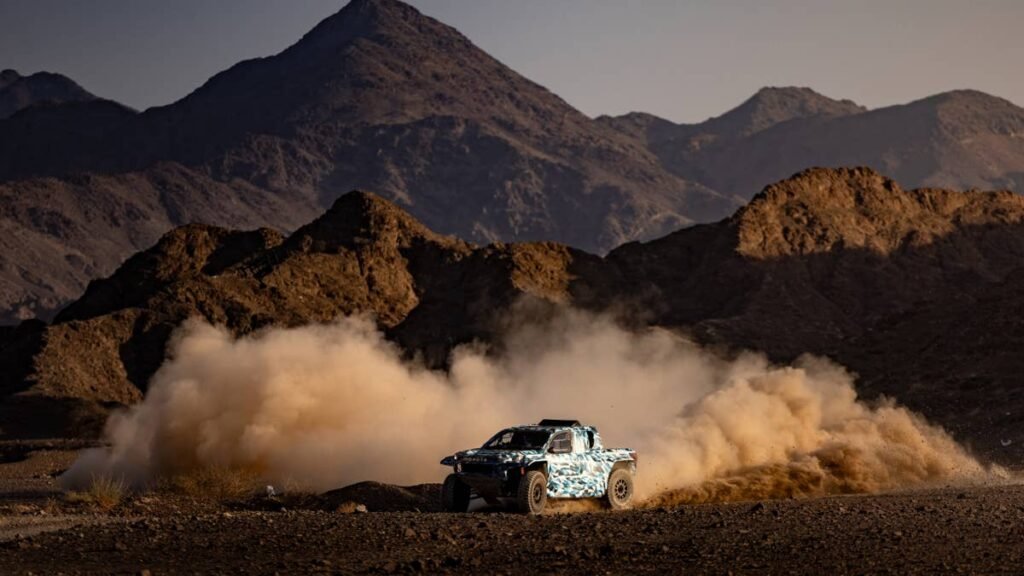
For the 2027 edition of the famous Dakar rally, Toyota will field a new car in the Dakar Future Mission 1000 category, a class for experimental vehicles and technologies. Dubbed the DKR GR FC Hilux prototype, the car’s main feature is its use of FCEV technology as the sole means of propulsion. This technology produces no CO2 while driving and emits only water from the tailpipe as a result of its “combustion” process. The 2027 Dakar will be the first time the brand combines its hydrogen and fuel cell technology in its motorsports activities.
Toyota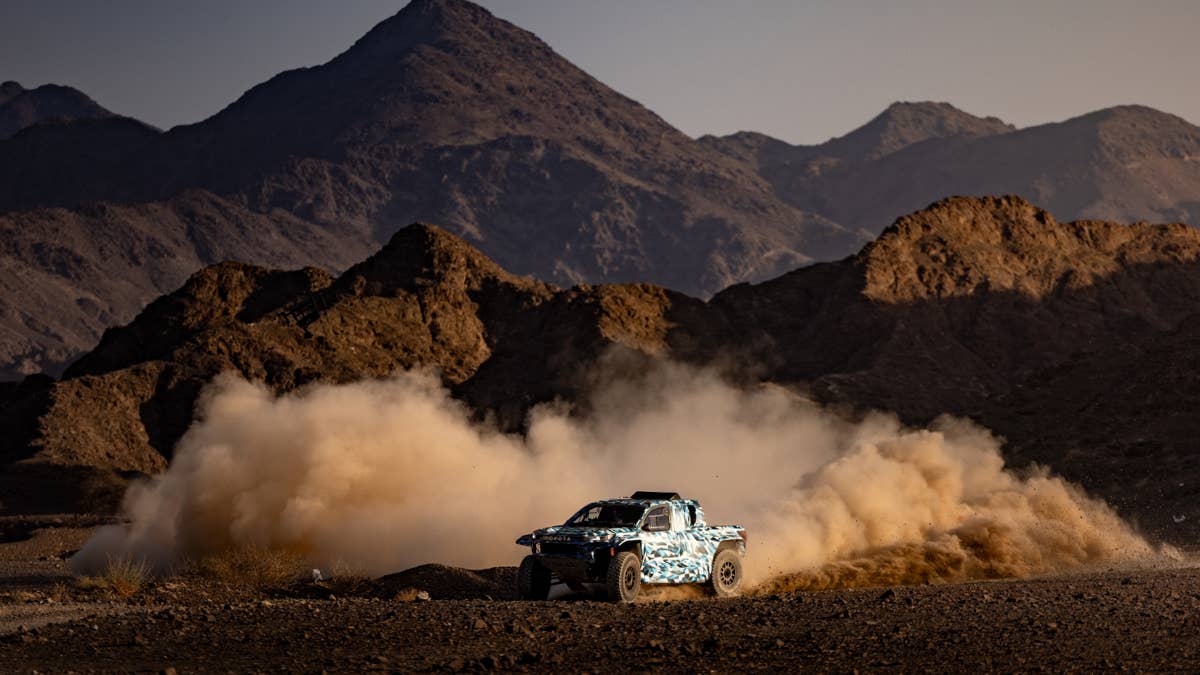
Testbed For The Future
The Dakar rally is a mix of high temperatures, rough terrain, and long stages, which, according to Toyota, is the perfect proving ground for fuel cell technology. The testing project will focus on fuel cell downsizing, optimum cooling, durability, and energy management.
All the learning from the 2027 run of the fuel cell Dakar Hilux will help Toyota further develop the technology for future applications in passenger cars, trucks, buses, trains, marine applications, race cars, and stationary power generators. Also part of the testing will be training for the engineers involved in the race project, who will be subjected to on-site, high-pressure troubleshooting situations that will enhance their skills and understanding of fuel cell technology.