A Lawsuit in the Making
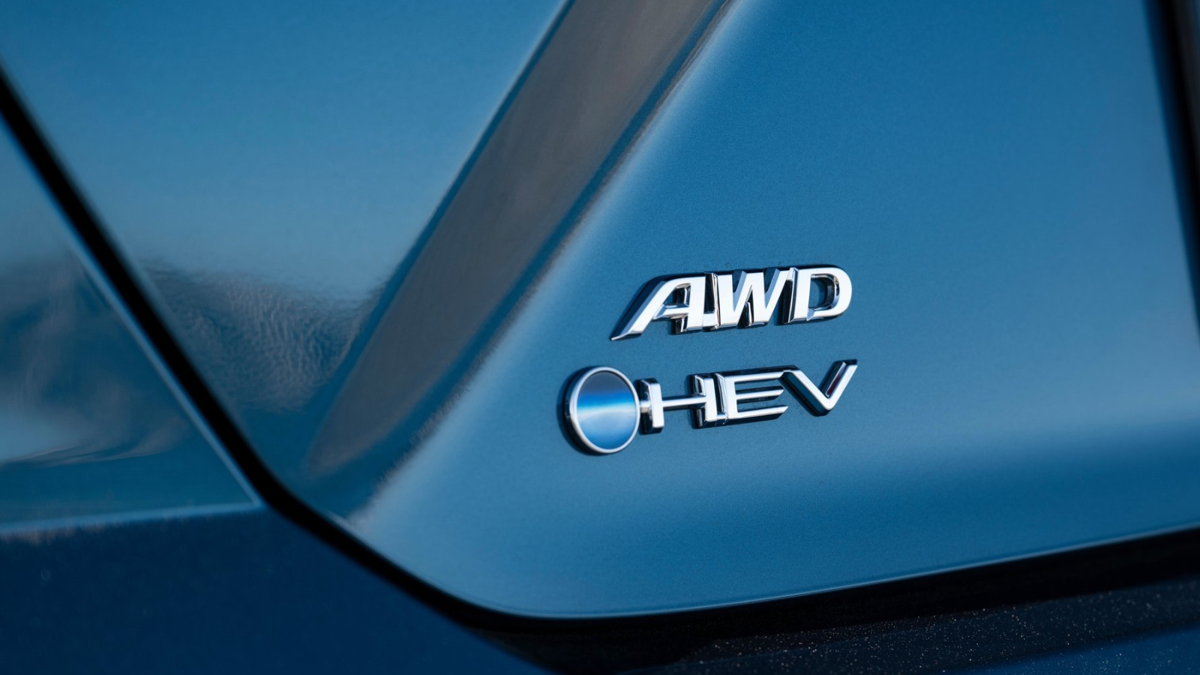
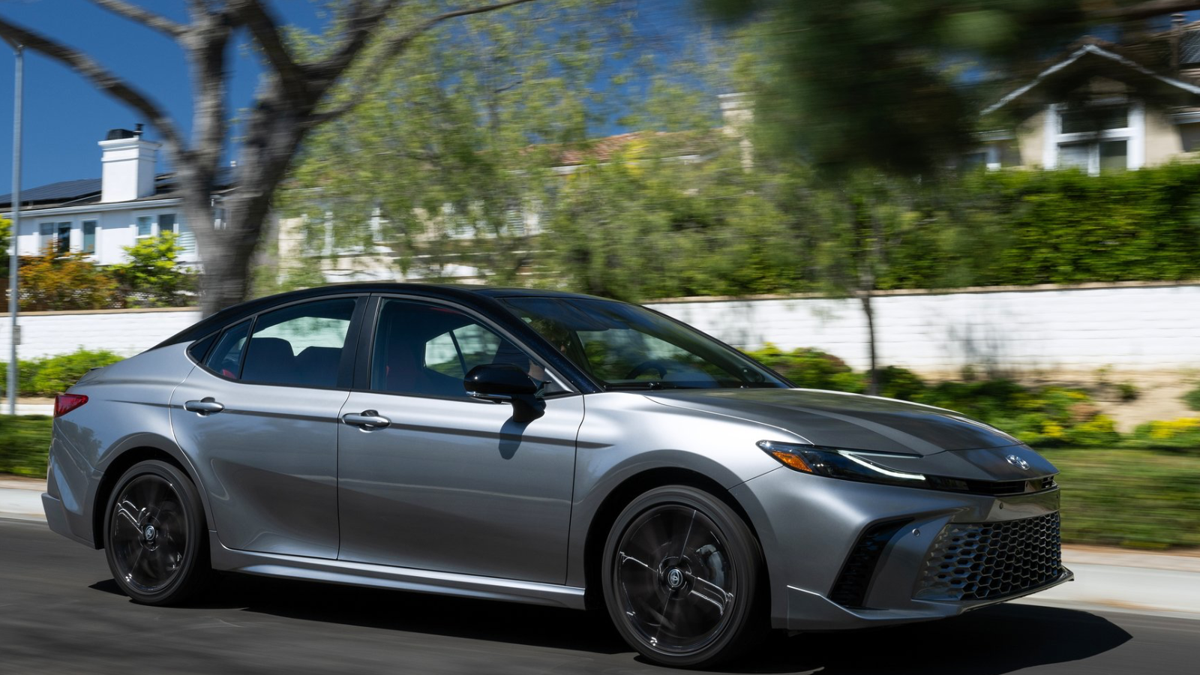
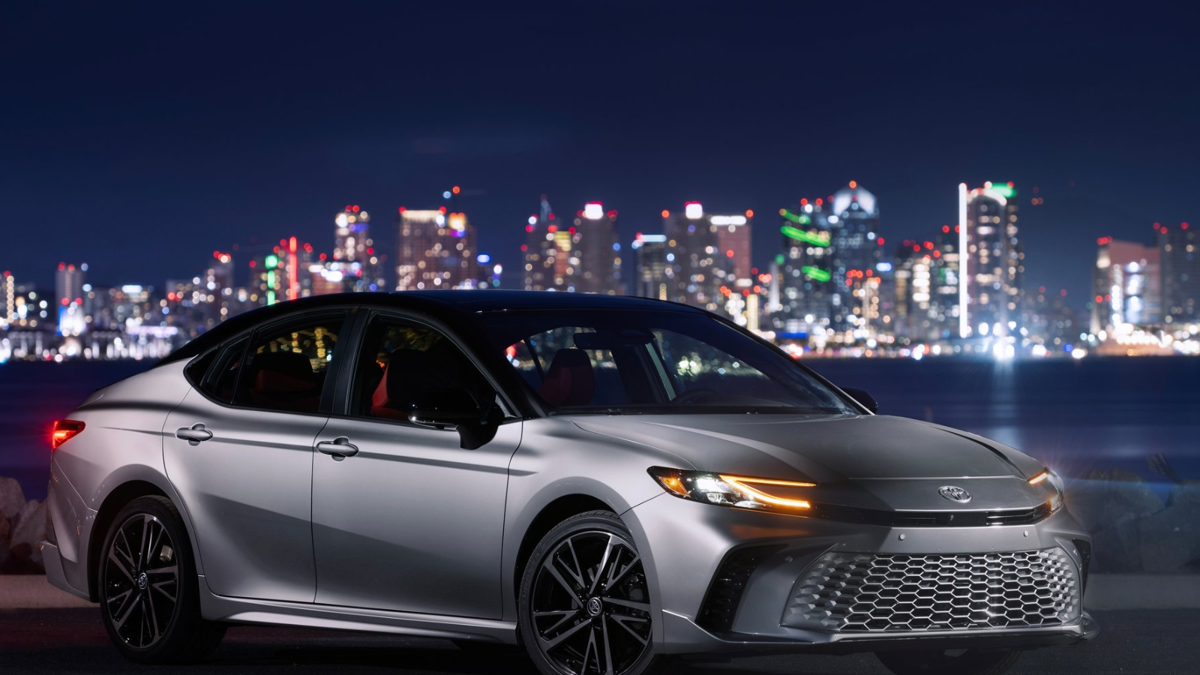
Hybrids are capable of delivering improved performance and better efficiency compared to their gas-only counterparts. On the downside, additional hardware, such as at least one electric motor and a high-voltage battery pack, introduces more potential points of failure. An Illinois man allegedly experienced one of these potential drawbacks firsthand, prompting him to file a proposed class-action lawsuit against Toyota over his recalled 2026 Camry Hybrid.
Plaintiff Michael Jaffe alleged Toyota knew his Camry Hybrid was defective, yet sold the sedan to him anyway. Jaffe claims he was unable to drive his vehicle for months after purchasing it in December 2025, just days before the recall was announced. He also alleges that the hybrid problem, involving improperly tightened bolts inside the hybrid inverter, caused his vehicle to lose value.
Toyota
Tightening the Case
Looking at the NHTSA filing with recall number 25V869, Toyota was indeed aware of the issue in November 2025 after receiving a field report alleging that a vehicle could not start. A dealer later discovered that the problem stemmed from a loose bolt within the inverter assembly. Toyota issued a recall the following month, recalling over 55,000 Corolla Cross Hybrid and Camry Hybrid vehicles over the potential loss of driving power and even fire.
However, Toyota disputed the lawsuit, saying it provided Jaffe with free loaner vehicles while the remedy was being prepared. Moreover, the Japanese marque argued that the repair was free of charge, so the plaintiff suffered no compensable damages.
It is worth noting that the lawsuit targets buyers who purchased affected new vehicles from Illinois Toyota dealerships in 2025, rather than automatically covering the entire recall population. This legal battle raises the question of whether a free repair and complimentary loaners are enough to address the inconvenience and alleged loss of vehicle value.
Toyota
Déjà Vu for Toyota
While the lawsuit develops, Toyota has faced a similar dispute involving certain 2010–2015 Prius and 2012–2017 Prius V models over their hybrid inverters. That specific defect involved failures of inverter electronics, rather than loose bolts. Still, the settlement provided free loaner vehicles and towing under certain conditions, along with a 20-year warranty extension with unlimited mileage for qualifying inverter and intelligent power module (IPM) failures.
Depending on the outcome, the suit could have some implications for Toyota, especially now that it is moving toward a more hybrid-focused lineup. The 2026 RAV4 is even offered exclusively with hybrid and plug-in hybrid powertrains in the U.S. But don’t jump the gun and assume hybrids are more prone to failure than gas-only cars, with data from Consumer Reports showing that hybrids experience 15% fewer problems on average than gas-only vehicles. For now, this case could help unpack more about Toyota’s hybrid reliability and how it handles hybrid-related defects.
Toyota