More Mandates For Autonomous Cars
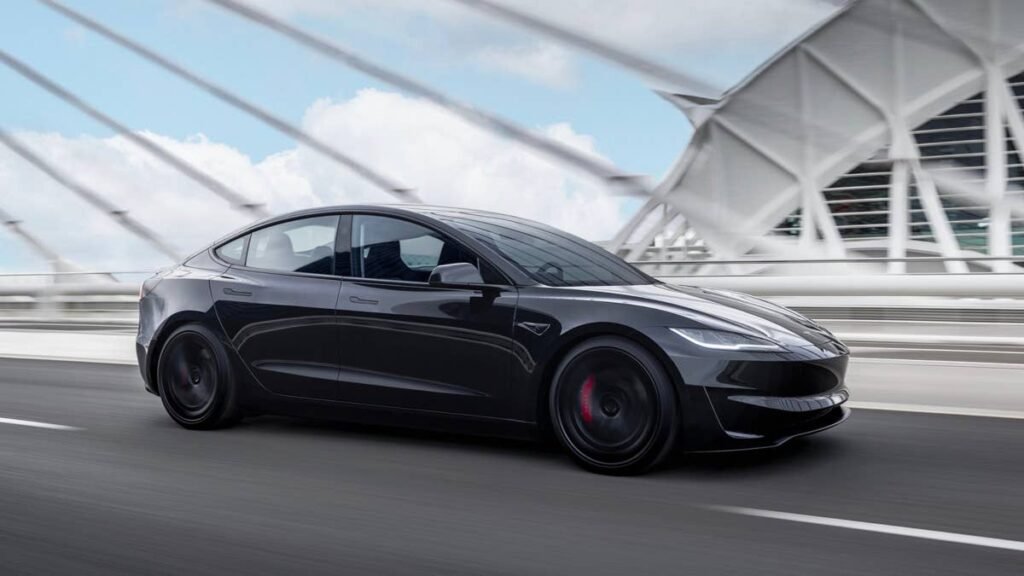
The study and scrutiny of self-driving cars remain a hot topic in the automotive industry. We’ve reached a point where it is an accepted aspect of modern motoring, but it still has flaws that give skeptics fuel to oppose the idea. In terms of mandates, the global automotive regulators have, in their own way, tried to define self-driving vehicles in their own terms, making rules stricter in the name of safety for all road users.
In the U.S., autonomous driving vehicles are more widely accepted than anywhere else in the world, but that hasn’t stopped people from crying foul over the technology’s shortcomings. Rules continue to be proposed, here and there, with a new one coming from the NHTSA that might make sense in the long run.
Adam Lynton/Autoblog
Distinguisable
The U.S. Department of Transportation’s National Highway Traffic Safety Administration (NHTSA) just announced a proposal to “modernize lighting equipment requirements for vehicles designed to be driven exclusively by automated driving systems (ADS) and standardize performance criteria for identifying marker lamps on ADS-equipped vehicles.” Basically, the agency wants to make it easier to distinguish vehicles that have and use automated driving systems.
Here are the proposed new rules by the agency:
- ADS-Equipped Vehicle Flexibility: Modernizes manual turn signal, hazard warning, and beam-switching control requirements for vehicles operated only by ADS.
- Standardized ADS Marker Lamps: Establishes equipment specifications—including color (cyan), mounting locations, activation, and visibility—for optional ADS marker lamps to clearly and consistently signal to law enforcement and other road users when an automated driving system is operating the vehicle.
- Headlamp Testing Modernization: Modernizes the rigid 12.8-volt test requirement for integral beam headlamps, allowing manufacturers to certify performance at design voltages tailored to long-lasting LED and advanced lighting systems.
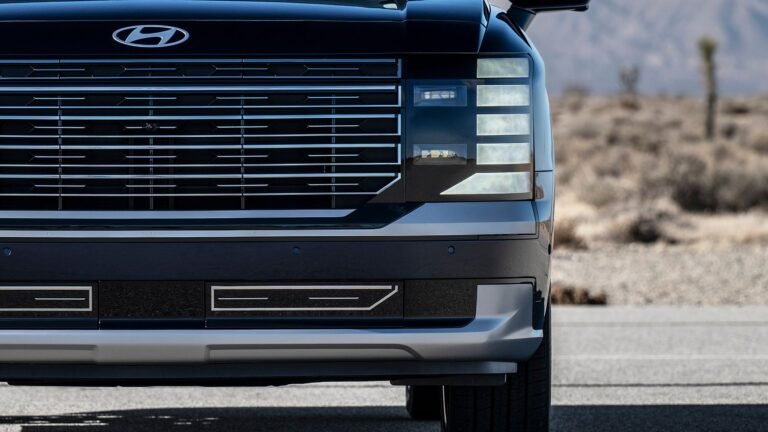
- Design Flexibility for Vertical Headlamps: Removes outdated requirements dictating the vertical ordering of lower and upper headlamp beams, giving manufacturers greater freedom in front-end design without impacting vehicle safety or illumination standards.
NHTSA Administrator Jonathan Morrisson said that the newly proposed mandates will address “unnecessary regulatory burdens for vehicles built without traditional manual controls while establishing clear performance standards for automated vehicle marker lamps.”
Hyundai
NHTSA’s Been Busy
Beyond the latest proposal, NHTSA has already been busy updating what it deems outdated mandates. Most recently, it has been working to modernize Federal Motor Vehicle Standards and improve exemption programs for research and development. We also covered NHTSA’s newly proposed mandates to improve vehicle lighting standards.
Rivian