- Tesla has secured a patent for an electric fan-assisted rear diffuser.
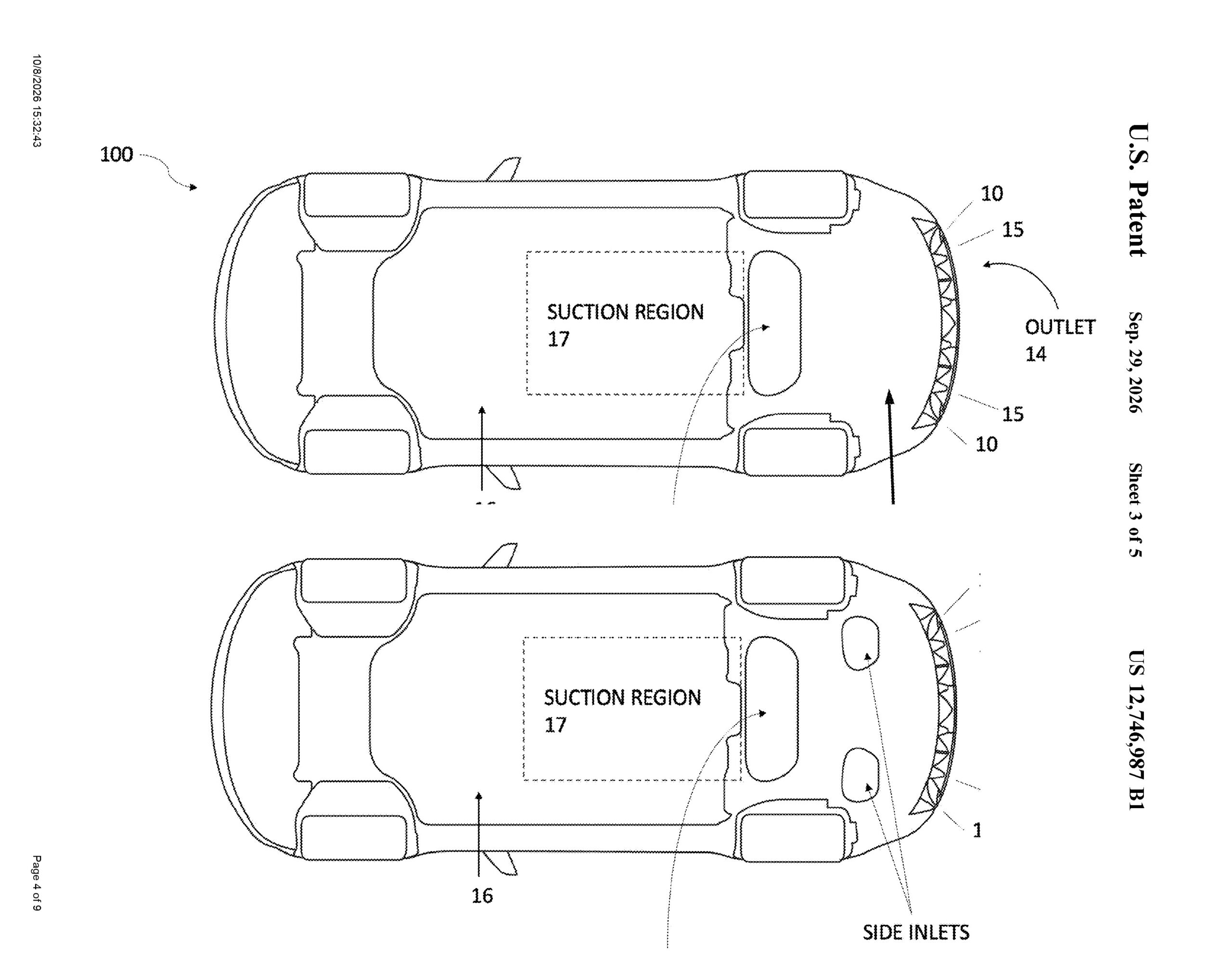
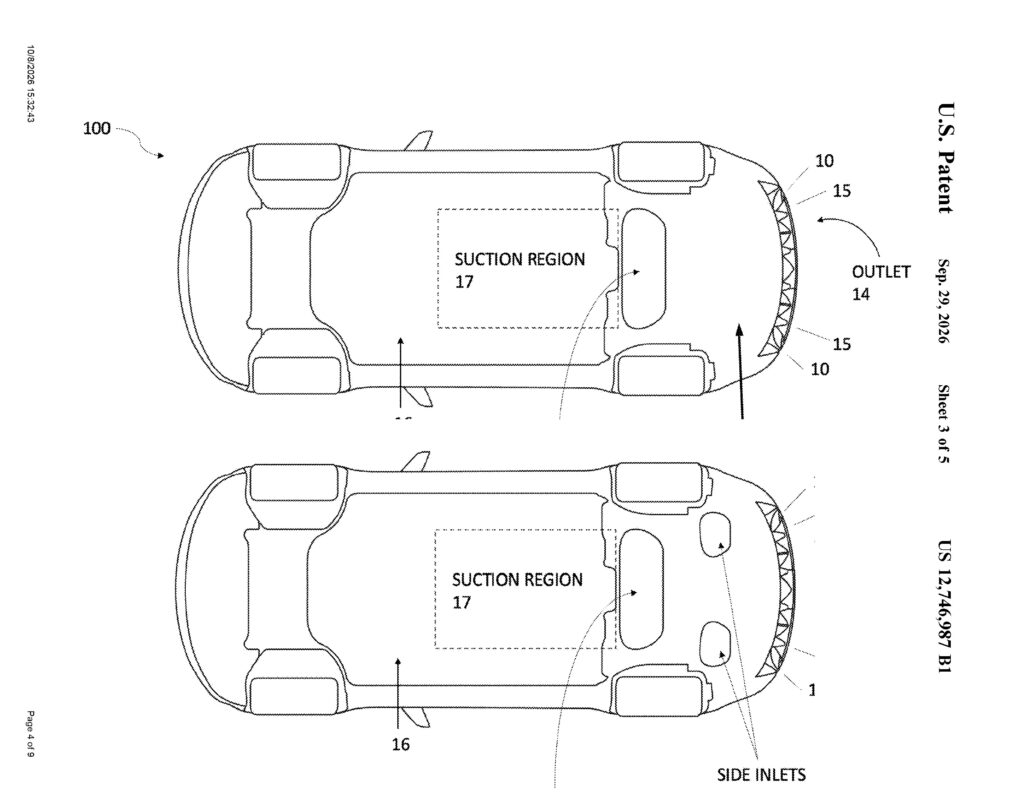
- The system draws air from beneath the vehicle and expels it rearward.
- The Roadster is a likely candidate, but other performance Teslas could benefit.
Tesla’s performance cars hardly need another way to shove occupants into their seats. Giving their tires more grip, however, could be considerably more useful. A newly granted patent suggests the company is exploring precisely that through electric fans that pull air from beneath a vehicle. The Roadster looks like an obvious home for it, but the idea deserves a wider audience.
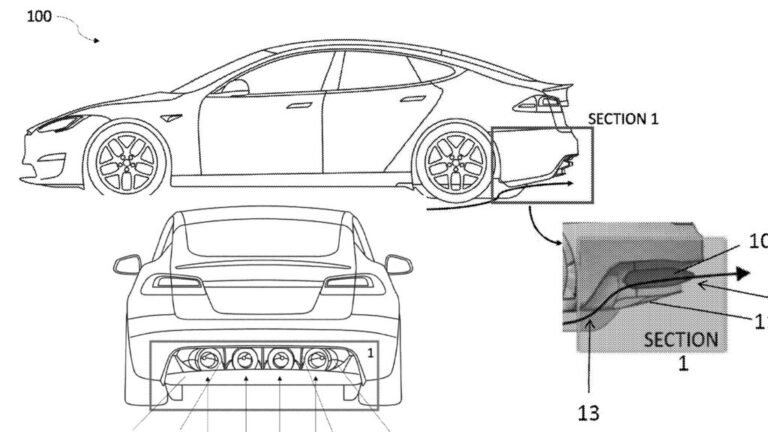
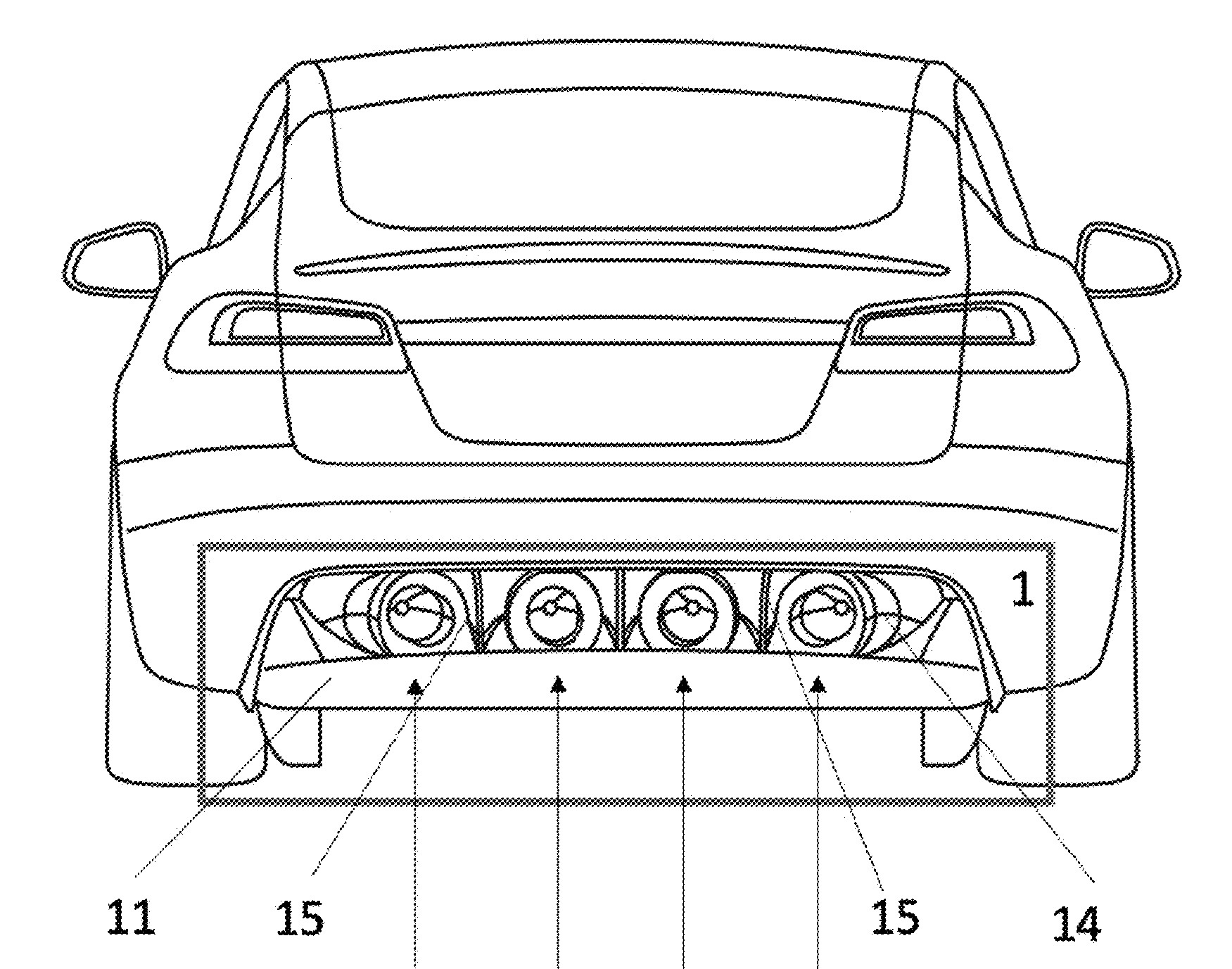
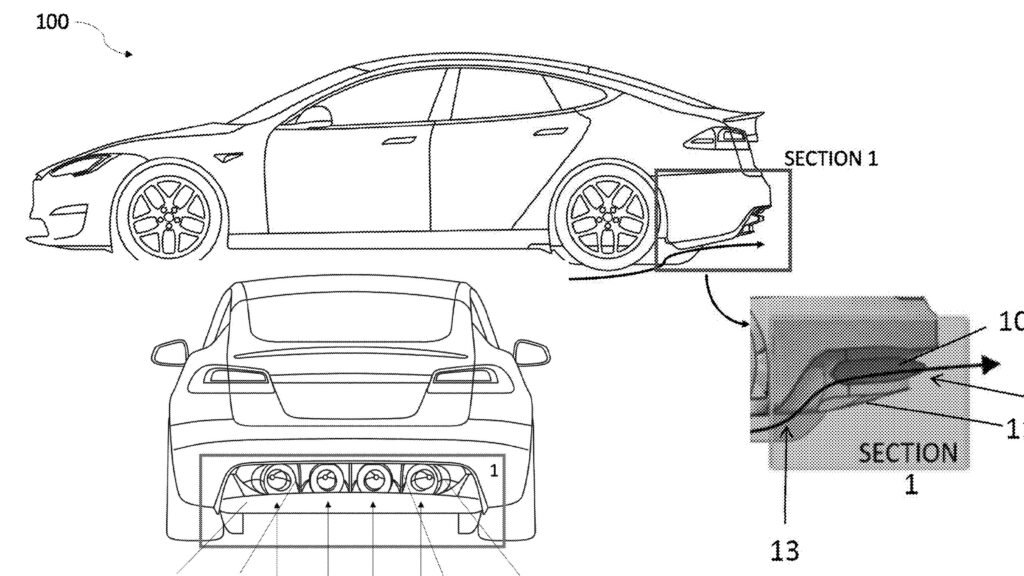
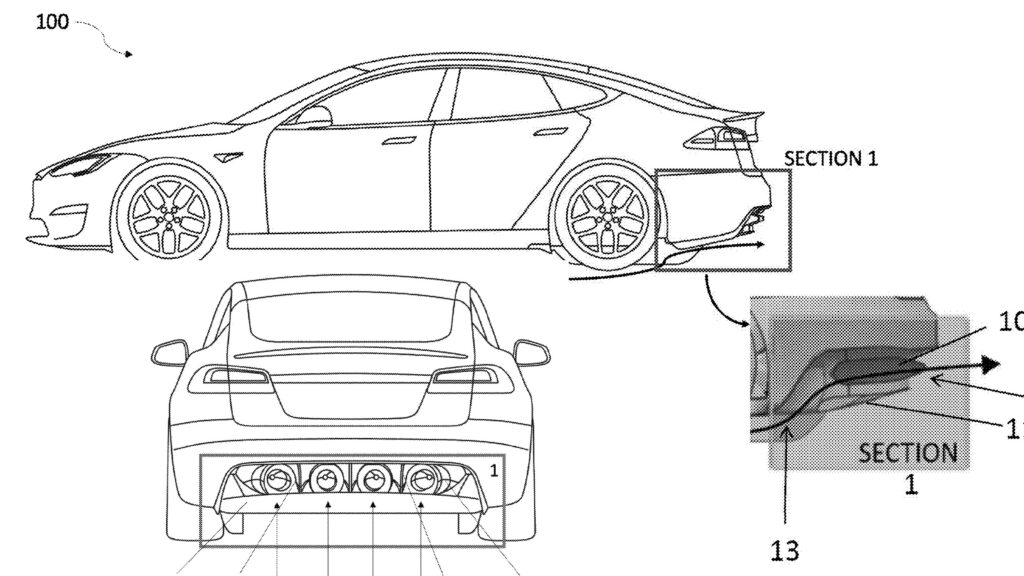
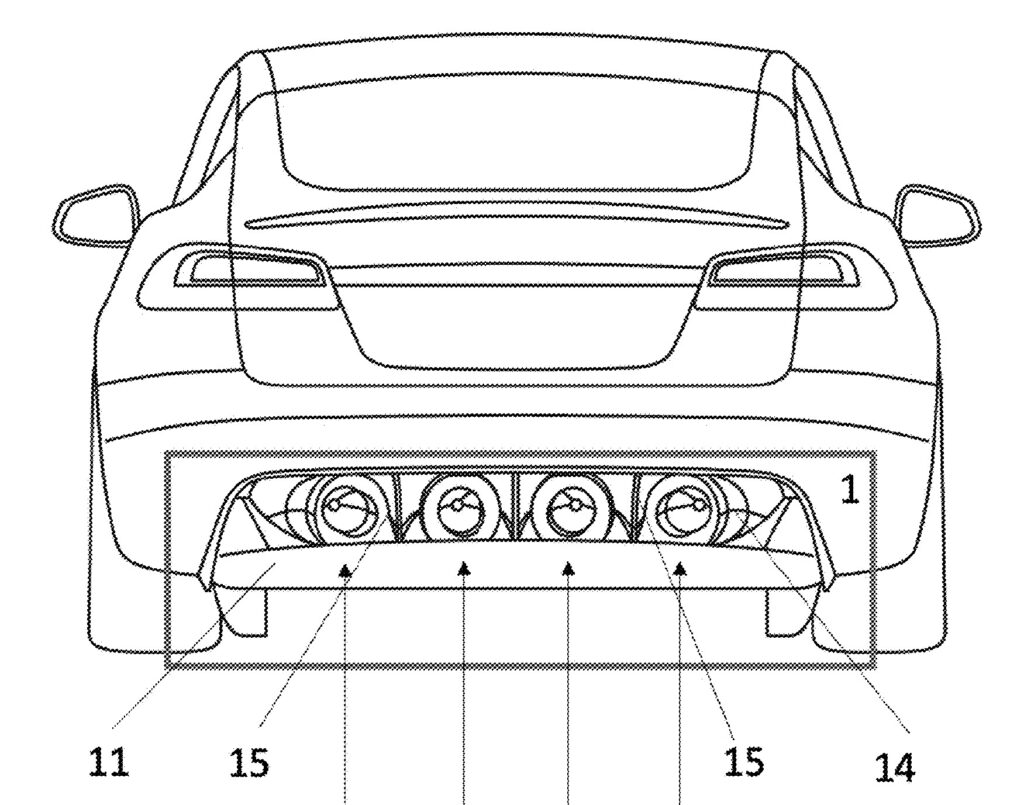
Granted on September 29, Tesla’s “Electric fan car” patent describes a diffuser with an underbody inlet, a larger rear outlet, and electric ducted fans that draw air through the passage. Vertical strakes sit between adjacent fans at the outlet. It’s a very specific arrangement, but far from the very first fan car ever derived for the road.
More: Tesla Is Once Again Accepting $50,000 Reservations For The Roadster
The benefit is one we’ve covered in the past. Using a fan to literally suck the car toward the road does something special. Fixed wings, dive planes, and canards are all examples of passive downforce generators. They can help a car grip the track better, but they can only do so when enough air is moving over them to create that force.
A fan that can suck at 0 mph does a similar trick but can do so at any speed. That means more grip in the corners, more grip in low-speed turns, and consistent grip in braking zones too. On top of that, fans like the ones Tesla is cooking up don’t create the type of significant drag that big spoilers do. If you’ve ever wondered why high-speed events rarely see participants with big wings on the back of their cars, now you know. Importantly, Tesla benefits from decades of learning achieved by other automakers in this same space.
The Chaparral 2J used two rear fans powered by a separate engine, with skirts helping seal its underside. Built for the 1970 Can-Am season, the wonderfully boxy racer generated downforce independently of road speed. Apparently, looking like industrial ventilation equipment had its advantages.
Gordon Murray Automotive’s T.50 takes a more nuanced approach. Its 15.7-inch (400 mm) rear fan works with active spoilers and interactive diffusers to manage airflow, with GMA claiming a 50 percent downforce increase in its High Downforce mode. The shared ingredient is a fan despite the aerodynamic recipes differing.
Then there’s McMurtry’s Spéirling, which demonstrates just how far suction-assisted grip can go. Its system produces downforce even at a standstill, and the company has demonstrated the car driving upside down. Clearly, the technology offers a lot of promise.
Why Stop At The Roadster?
The Roadster would make a natural showcase for something this ambitious. Still, the patent’s claim describes an electric vehicle without restricting the system to that model. Somewhat hilariously, the images show a Model S rather than the Roadster. That’s one more reason that we cautioned against reading too much into the patent drawings of the Roadster that came out last week with a fancy new trick wing.
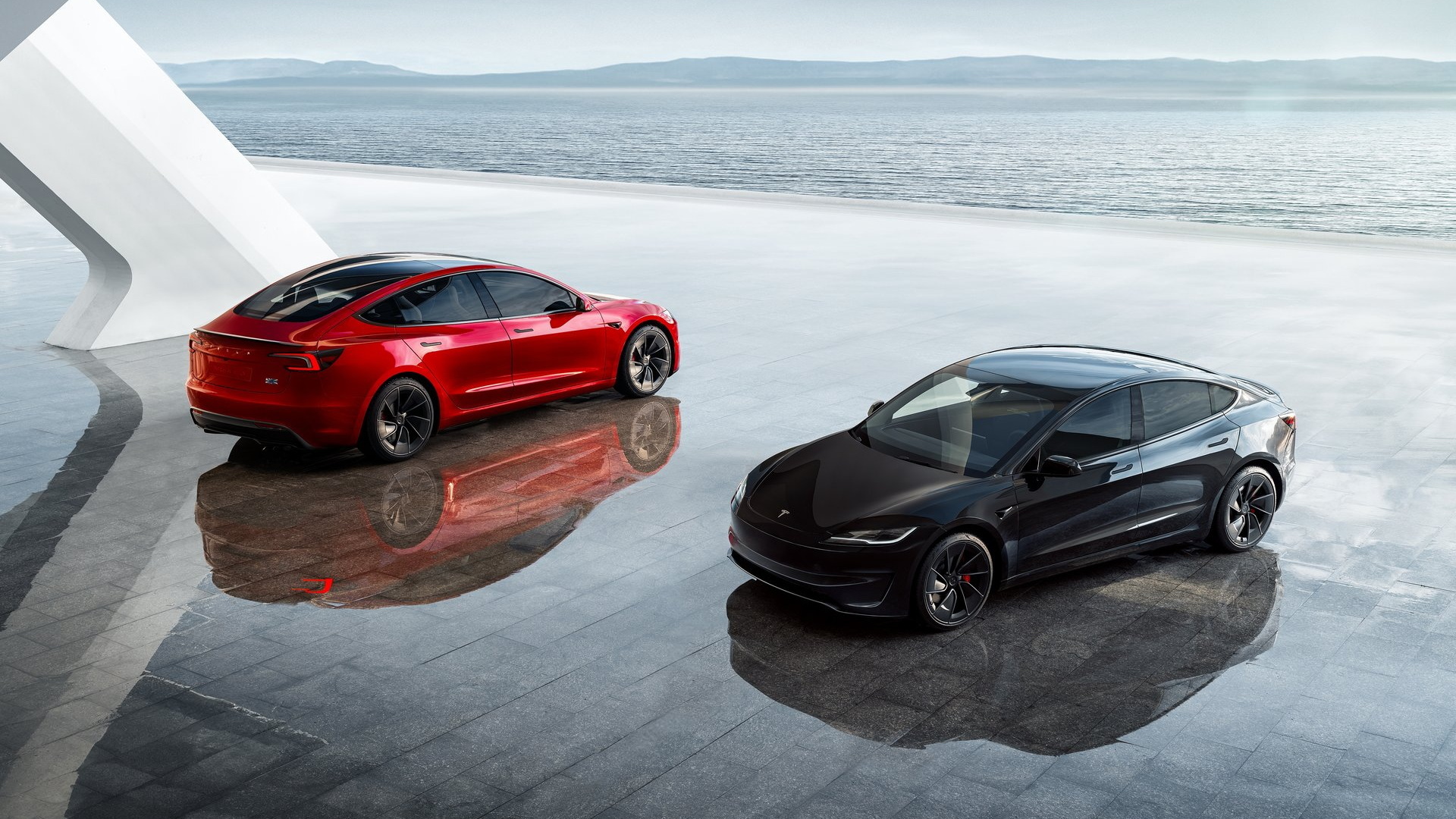
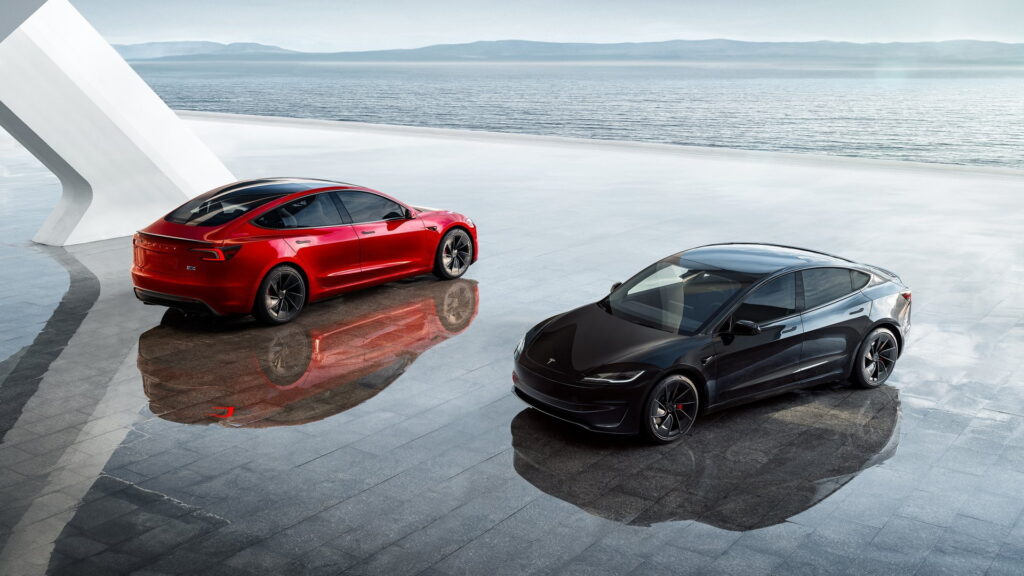
That said, much of Tesla’s Plaid and Performance lineup could benefit. Extra grip could help translate substantial power into more effective acceleration, braking, and cornering. Packaging, energy consumption, noise, and durability would determine whether the idea makes sense beyond a halo car. Importantly, this patent doesn’t confirm production. Nevertheless, it’s a more interesting route to performance than simply adding power. At some point, the tires need help keeping up.
Photos: Tesla/USPTO