Tesla’s ADAS Is Always Part of Conversations
Tesla has spent years pushing advanced driver-assistance tech to the front of the conversation. With Autopilot, Full Self-Driving, and a heavy focus on software, the brand has nudged the industry toward more tech-driven safety features – even if controversy keeps following close behind. Now, Tesla can add another first to its list.
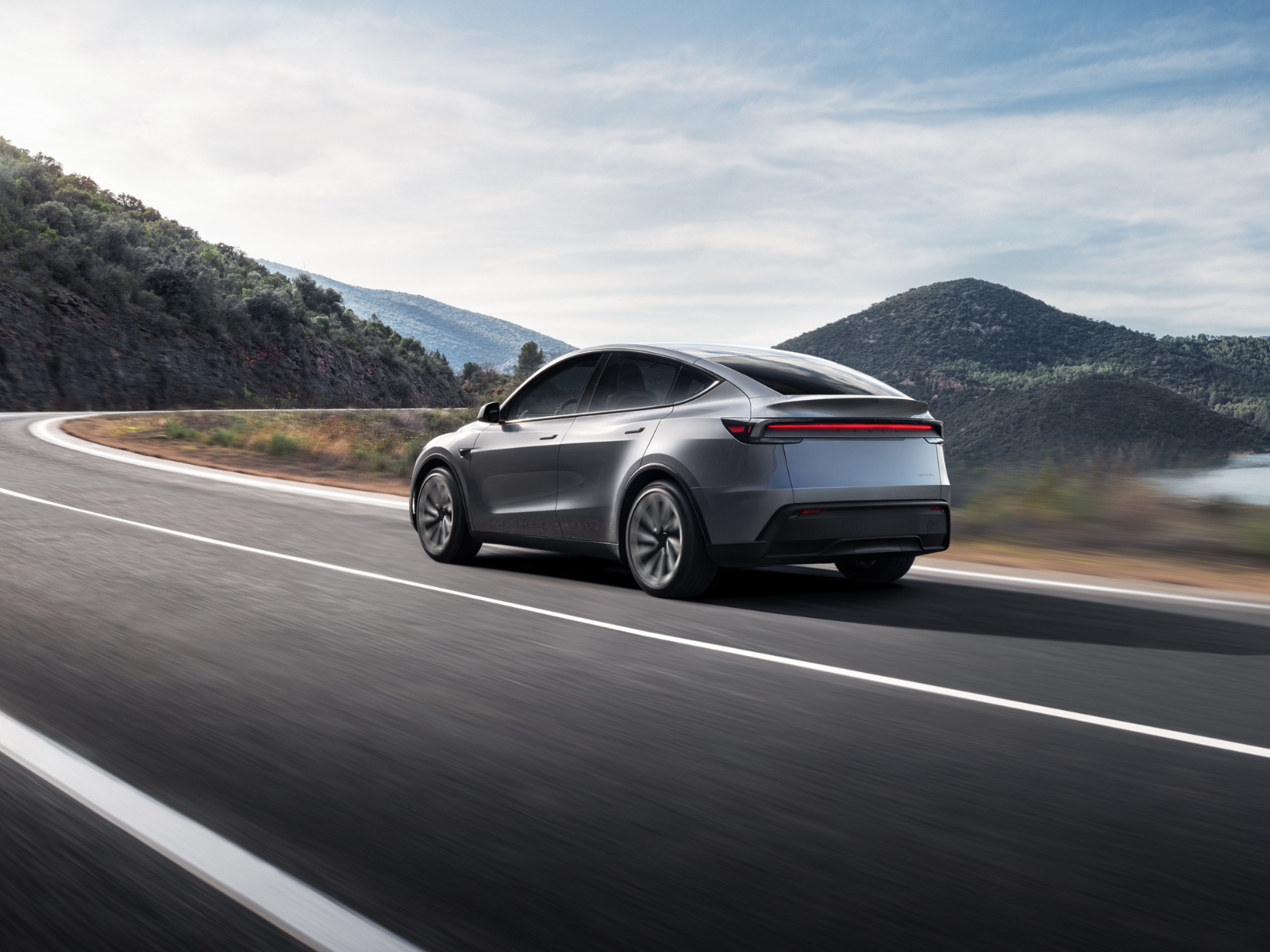
The US National Highway Traffic Safety Administration (NHTSA) announced that the later-release 2026 Tesla Model Y is the first vehicle to pass the agency’s newly expanded Advanced Driver Assistance Systems (ADAS) evaluations under the New Car Assessment Program (NCAP).
Tesla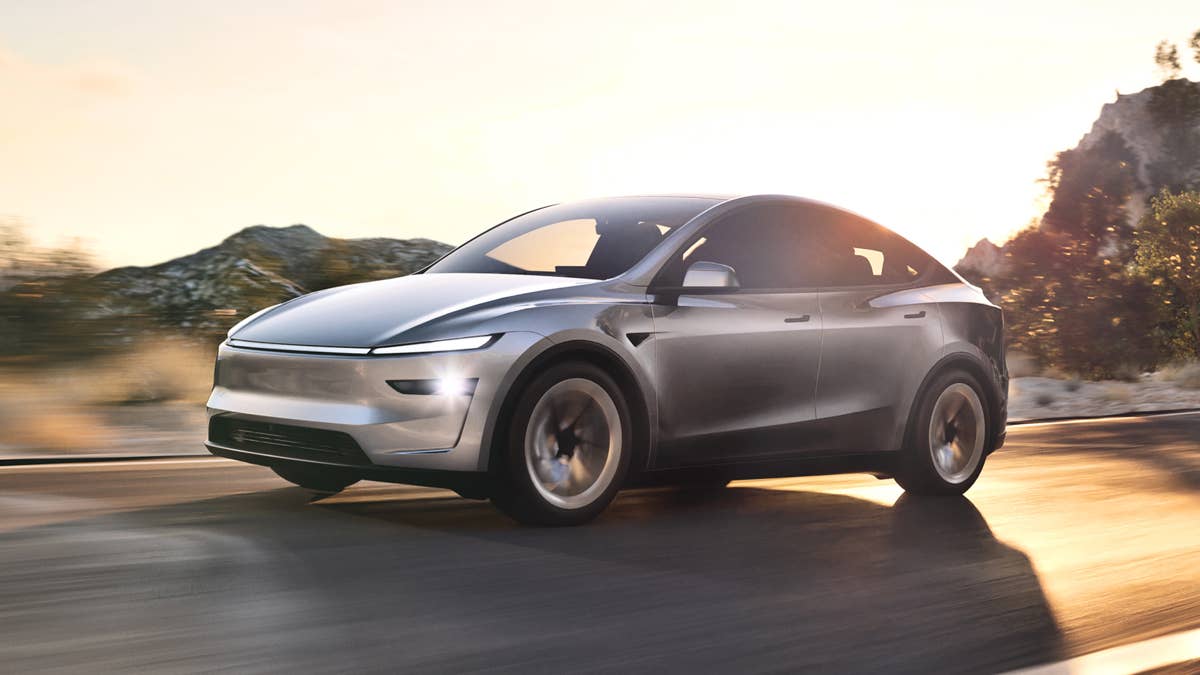
What Exactly Did The Model Y Pass?
These new tests are NHTSA’s way of updating its long-running five-star safety ratings, putting more emphasis on accident-avoidance tech.
According to the agency, 2026 Tesla Model Y units built on or after November 12, 2025, successfully passed four newly added ADAS evaluations: Pedestrian automatic emergency braking, lane keeping assistance, blind spot warning, and blind spot intervention.
The Model Y also passed the agency’s existing ADAS criteria, including forward collision warning, crash imminent braking, dynamic brake support, and lane departure warning. Instead of the usual crash test scores, these new evaluations are pass or fail. Either a car meets the minimum standard, or it doesn’t.
NHTSA’s goal is to get more automakers to adopt driver-assistance features that can help prevent crashes in the first place. That’s especially important now, with pedestrian deaths and distracted driving still on the rise in the US.
A Bit Ironic, Isn’t It?
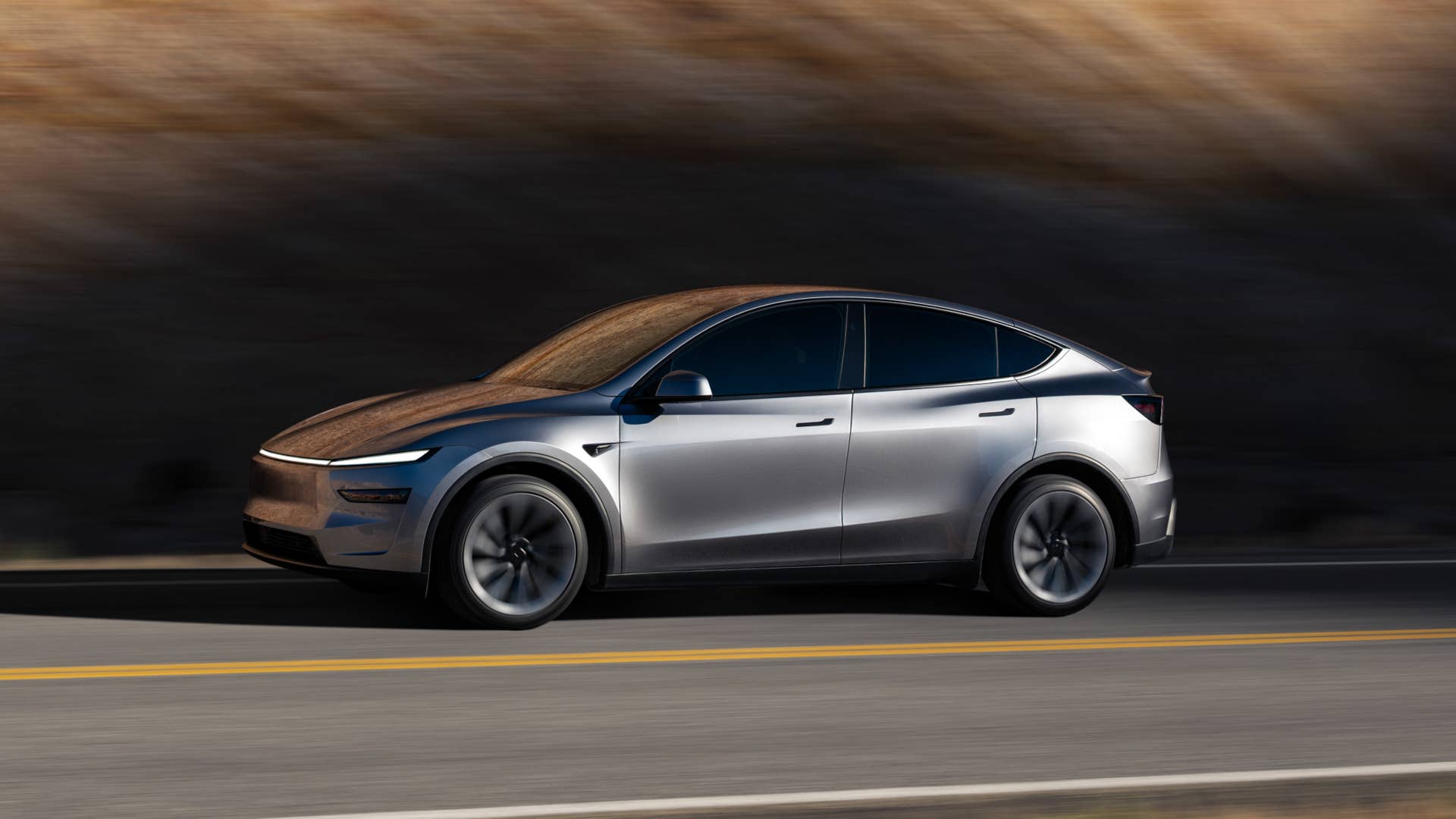
Tesla’s latest safety win lands while its Full Self-Driving system (FSD) is still under federal investigation. NHTSA is investigating whether Tesla’s camera-based Vision system can detect glare, fog, dust, and other factors that block the view. The concern is that drivers might not get a warning fast enough if the cameras can’t see clearly.
The investigation covers most Teslas with Full Self-Driving, including the Model S, Model X, Model 3, Model Y, and Cybertruck. Regulators are also checking if some crashes might have slipped through the cracks because of how Tesla tracks its own data. At least one fatal crash is part of the bigger probe.
Given Tesla’s ongoing FSD headaches – yes, lawsuits included – we couldn’t help but see the irony. To be fair, most of the investigation is about older cars and earlier versions of the tech, while this new recognition is for the latest Model Ys with updated software and hardware. But the real test for Tesla’s ADAS isn’t in the lab – it’s how it handles the unpredictable stuff out on real roads.