Range Loss Is Real, But This Model 3 Refuses to Quit
Battery degradation remains one of the biggest psychological barriers for EV buyers. Concerns around long-term usability and resale value often outweigh the day-to-day benefits of electric driving. While studies suggest most EVs lose far less range than expected over time, extreme real-world cases are rarely documented in detail.
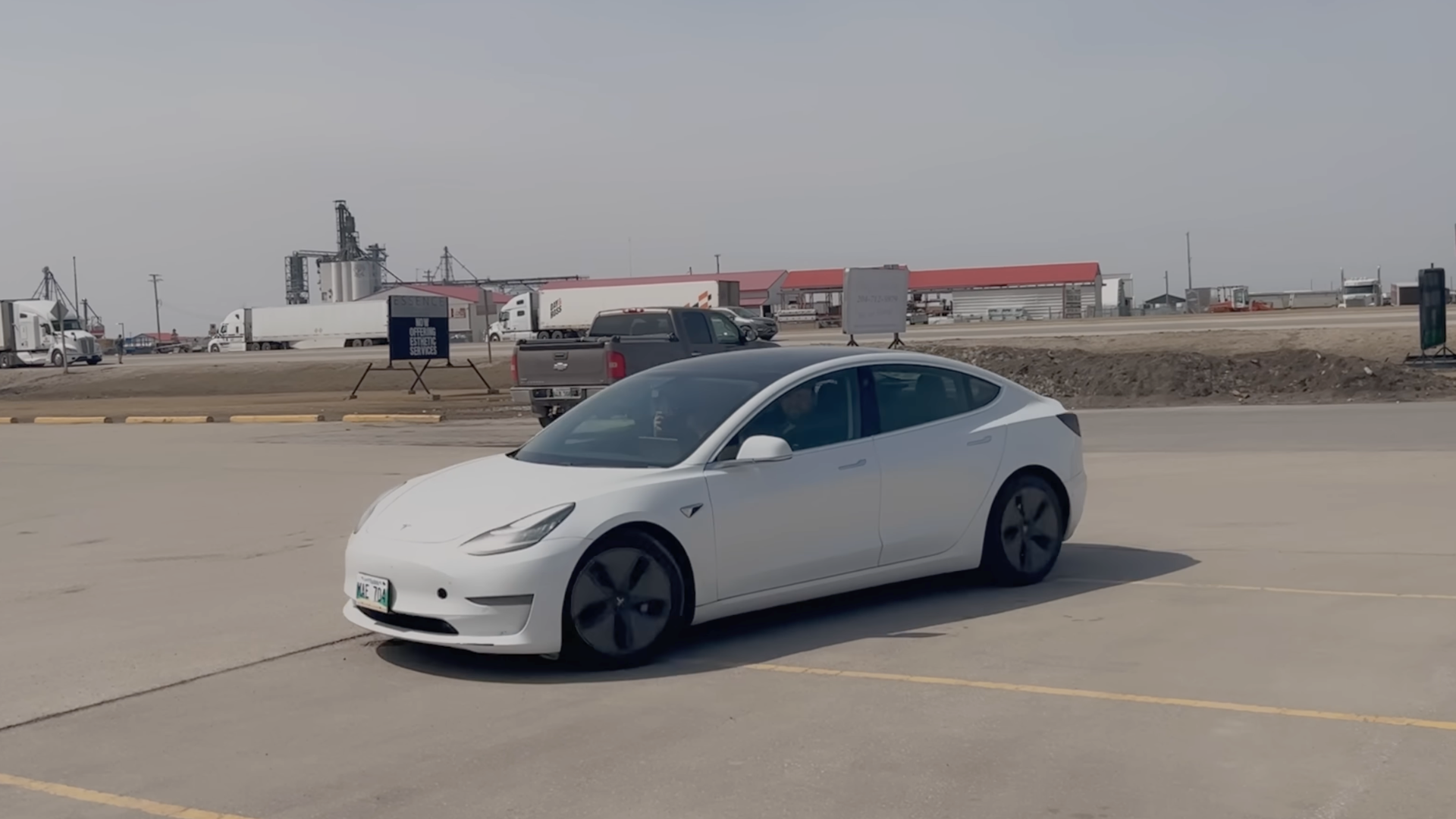
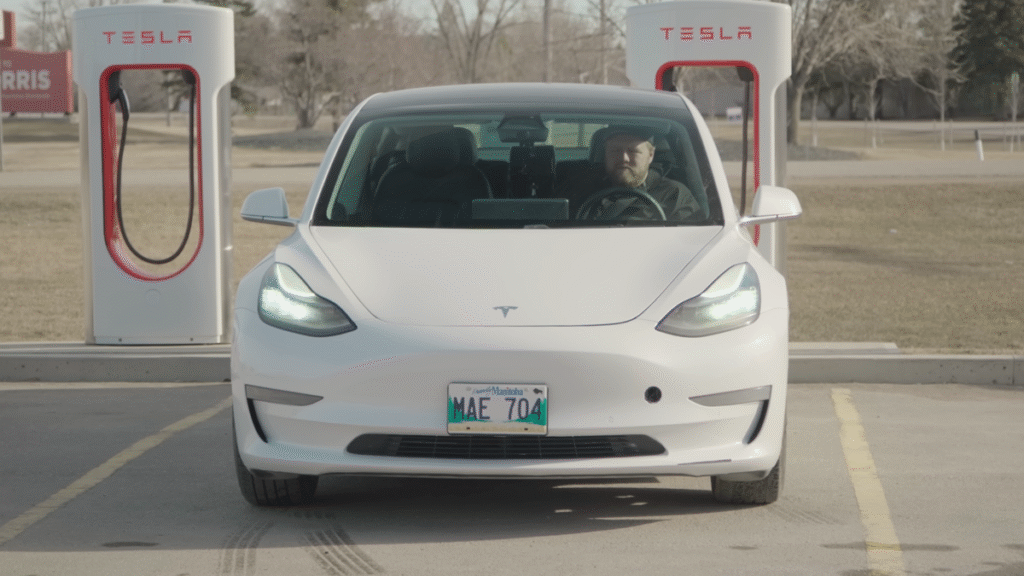
That is what makes this 2019 Tesla Model 3 Standard Range Plus stand out. With 380,000 miles on the clock, it is still running on its original battery pack. However, the impact of time and usage is clear. Its displayed range has dropped from 240 miles when new to just 158 miles today. That is a 34.2 percent reduction, leaving the battery with under 70 percent of its original capacity.
A Worst-Case Scenario That Still Works
Despite the heavy degradation, the car remains fully functional. YouTube Channel, Drive Protected in Canada, put the vehicle through a highway range test to validate its real-world usability. Starting from a full charge, the Model 3 managed 138.3 miles at a steady 68 mph before reaching zero percent. Efficiency held at 4.27 miles per kWh, which is still respectable given the mileage.
There are plenty of high-mileage EV success stories that report minimal battery degradation. Cases like the Ford Mustang Mach-E, which has crossed 300,000 miles with single-digit losses, show how durable modern battery packs can be. Still, examples like this Tesla highlight the outer limits. It represents a more severe scenario, yet proves that even heavily degraded batteries can remain usable for daily driving.
YouTube – @DriveProtected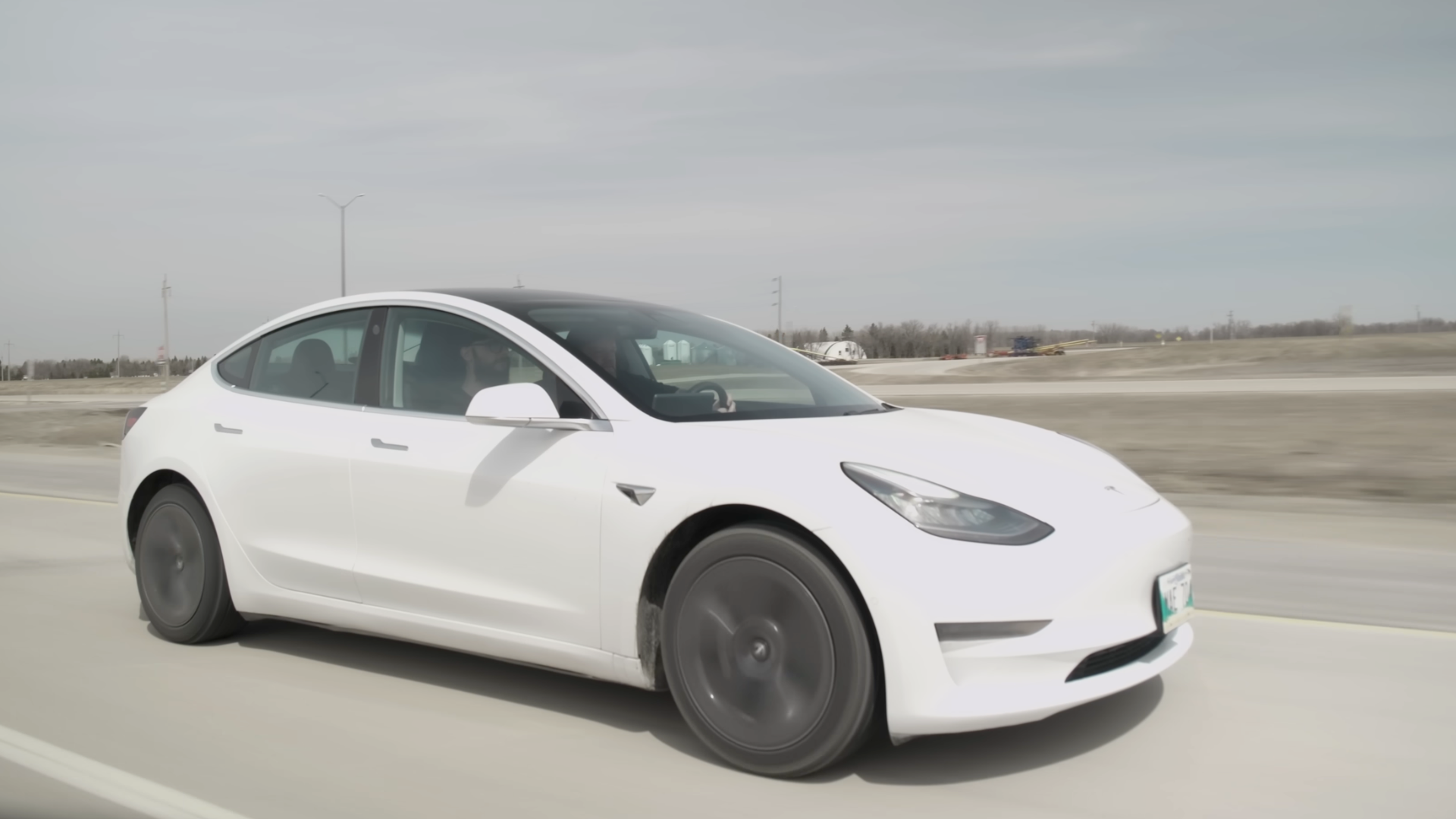
The Lowdown
There is a growing body of evidence showing that EV batteries can outlast the lifespan of internal combustion vehicles. This high-mileage Model 3 reinforces that argument. At 380,000 miles, many gasoline cars would already be retired or require major engine work. This Tesla continues to operate without mechanical drama, aside from reduced driving range.
The bigger conversation now shifts to charging performance and convenience. Faster charging remains critical to making EV ownership seamless at any stage of a vehicle’s life. Solid-state battery development offers some promise on that front. If charging times approach the speed of refueling, and degradation continues to prove manageable, range anxiety may finally become a non-issue.
YouTube – @DriveProtected