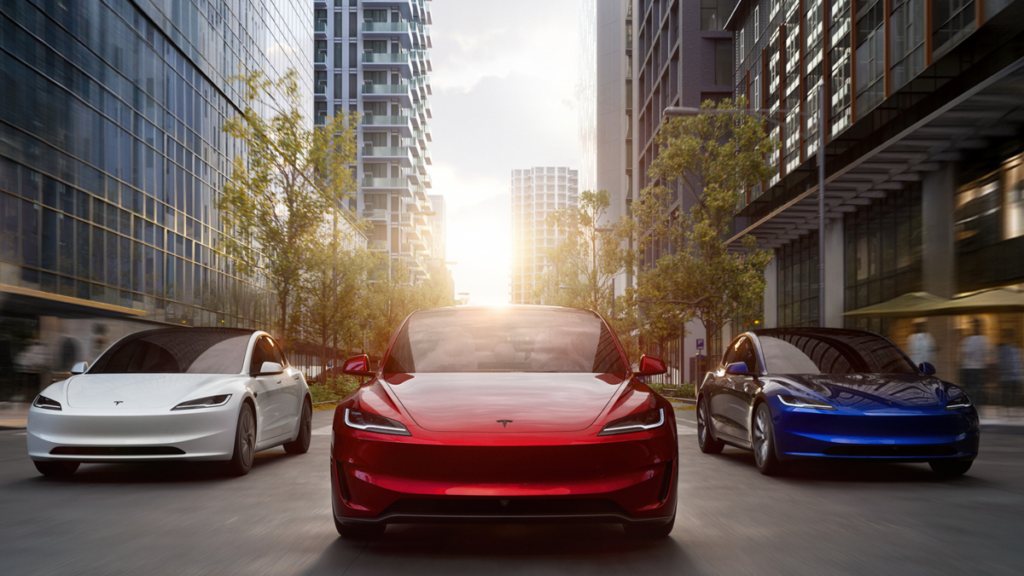
Tesla has officially produced its 10-millionth pure battery electric vehicle, marking a significant manufacturing milestone for the company. While achieving an eight-figure production run underscores its current standing in global EV sales, the news arrives during a broader period of market stabilization and increased pressure from international automakers.
The timeline reflects a dramatic acceleration in production capacity. It took twelve years of manufacturing hurdles for Tesla to build its first million vehicles, a mark reached in 2020. The remaining nine million units were built in just six years, making Tesla the first dedicated EV maker in automotive history to hit eight-figure production totals.
10 million vehicles produced globally.
Congrats to all Tesla teams! pic.twitter.com/JkcraR63bs— Tesla Manufacturing (@gigafactories) July 30, 2026
Production Scale and Software Integration
The historic milestone vehicle rolled off the assembly line at the company’s manufacturing facility in Fremont, California. While legacy carmakers have struggled with battery supply chains and software integration, Tesla streamlined its stamping, casting, and assembly methods across global facilities to scale production rapidly.
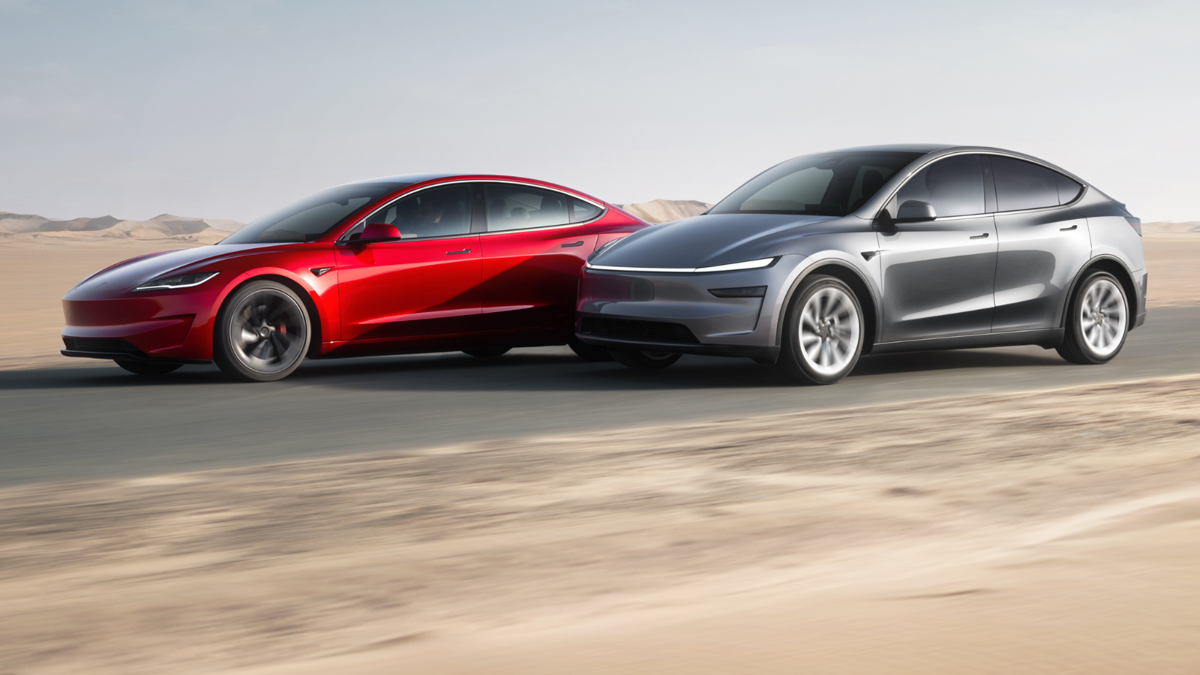
Core volume continues to be driven by mass-market sedans and crossovers. Beyond physical manufacturing, software features remain central to vehicle operation. Tesla recently issued a new off-road update for existing models, demonstrating how over-the-air functional updates are used to sustain consumer interest without requiring immediate hardware redesigns.
Crossing the ten-million mark also serves as a crucial operational benchmark. Under chief executive officer Elon Musk’s current incentive structure, hitting twenty million vehicles delivered is required to unlock specific compensation tranches, placing the company exactly at the halfway point of that operational target.
The Hard Path Toward Twenty Million Vehicles
While ten million builds represents a real operational achievement, maintaining momentum will prove far more difficult. Used vehicle values have faced steep market drops recently, forcing executive management to test solutions that address the ongoing depreciation problem and protect trade-in values for current owners.
Reaching the twenty-million threshold will require more than minor refreshes of existing vehicle platforms. With competitors rapidly narrowing the technical gap and luxury buyer interest cooling, Tesla must deliver cheaper entry-level hardware and expand its automated software capabilities to defend its market share moving forward.
Tesla