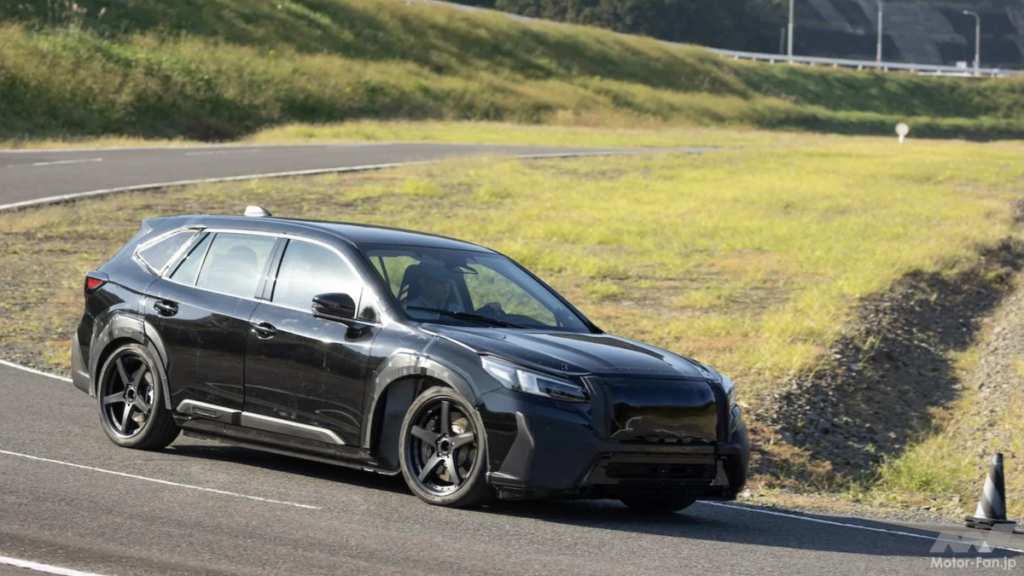
Subaru Tests Mystery Vehicle Amid Sweeping Production Upgrades
Subaru is traditionally a conservative company that takes its time engineering vehicles, but the brand is officially hitting fast-forward. The Japanese automaker is currently executing a massive internal restructuring designed to slash its notoriously slow vehicle development times by an aggressive 40 percent. This rapid pivot away from legacy production methods relies entirely on sweeping digitalization and streamlined global supply chains.
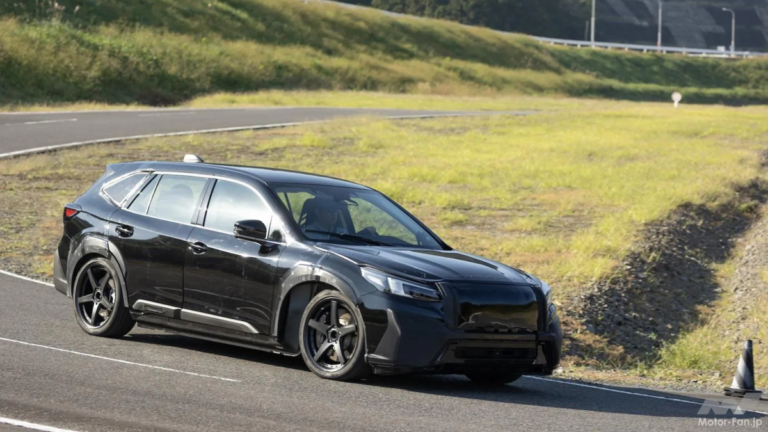
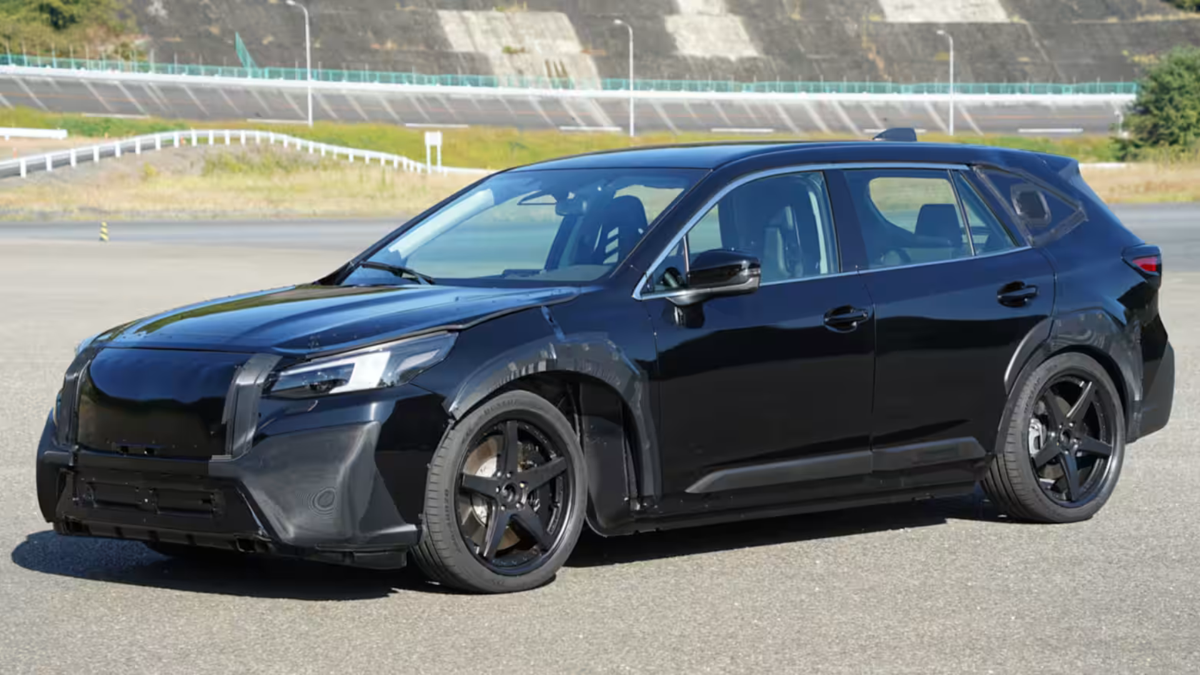
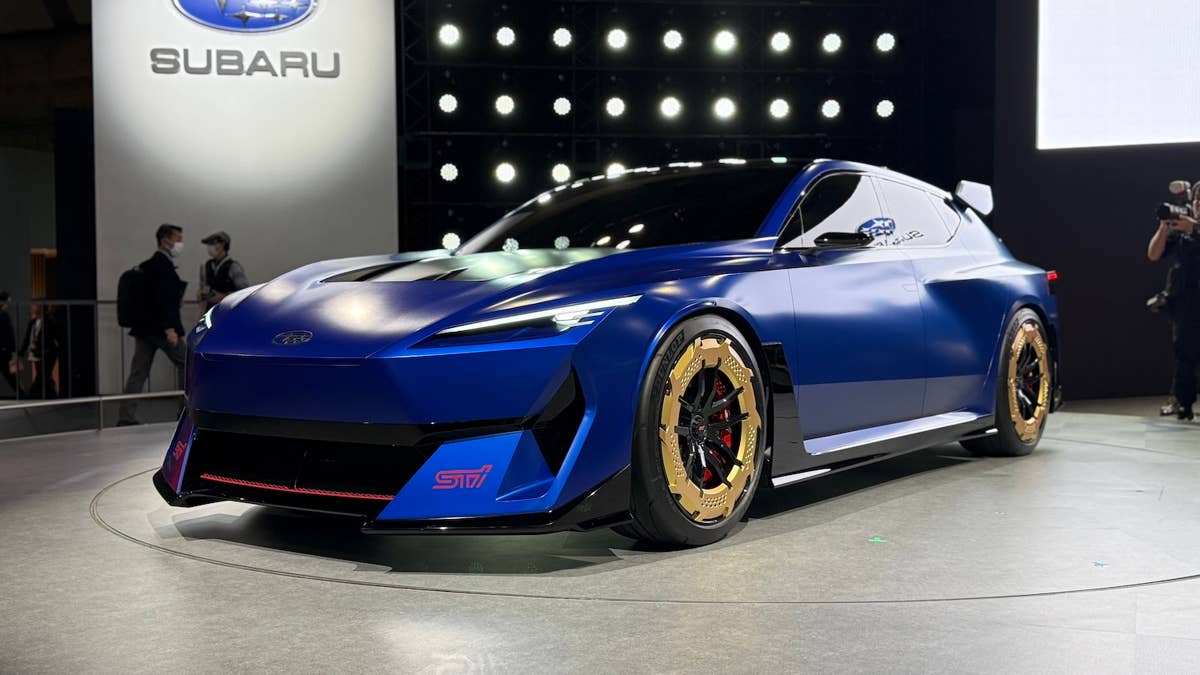
The goal is to bring fresh sheet metal to dealer lots significantly faster than the old five-year engineering cycle allowed. To prove this modernized strategy is already bearing fruit, Subaru engineers are currently pushing a heavily camouflaged, extremely aggressive-looking test mule around their proving grounds. Subaru previously teased the Performance-E STI Concept last year, and we haven’t heard or seen anything since then until now. The existence of this track-ready vehicle indicates that the newly accelerated digital design pipeline is already churning out physical performance models.
NIkkei Asia: Kantaro Fushiki
Digitalization Replaces Traditional Engineering Workflows
According to Japanese outlet Motor Fan, the fundamental catalyst behind this accelerated timeline is a massive manufacturing overhaul centered on centralized computing architectures. As we move into the late 2020s, Subaru is abandoning purely mechanical roots to prioritize Software-Defined Vehicles. Over-the-air updates will soon dictate horsepower and suspension stiffness, making rapid software transitions far more critical than turning wrenches on physical chassis components.
Subaru is hardly the only automaker aggressively modernizing to survive this digital era. Across the automotive landscape, advanced design algorithms are rapidly displacing traditional clay modelers and drafters. This heavy reliance on digital simulation is radically changing European manufacturing, with upcoming BMW platforms leaning heavily into machine learning to bypass years of manual engineering.
The race for digital speed is equally frantic among domestic Japanese competitors trying to keep up. Nissan’s competing factory workflows are currently moving twice as fast by letting automated systems handle complex bottleneck engineering. However, leaning entirely on digital simulation carries steep risks, as Ford recently learned that computers simply cannot replace the nuanced intuition of seasoned human experts on the assembly floor.
Jacob Oliva/Autoblog
Camouflaged Prototype Points Directly To An Electric STI Reality
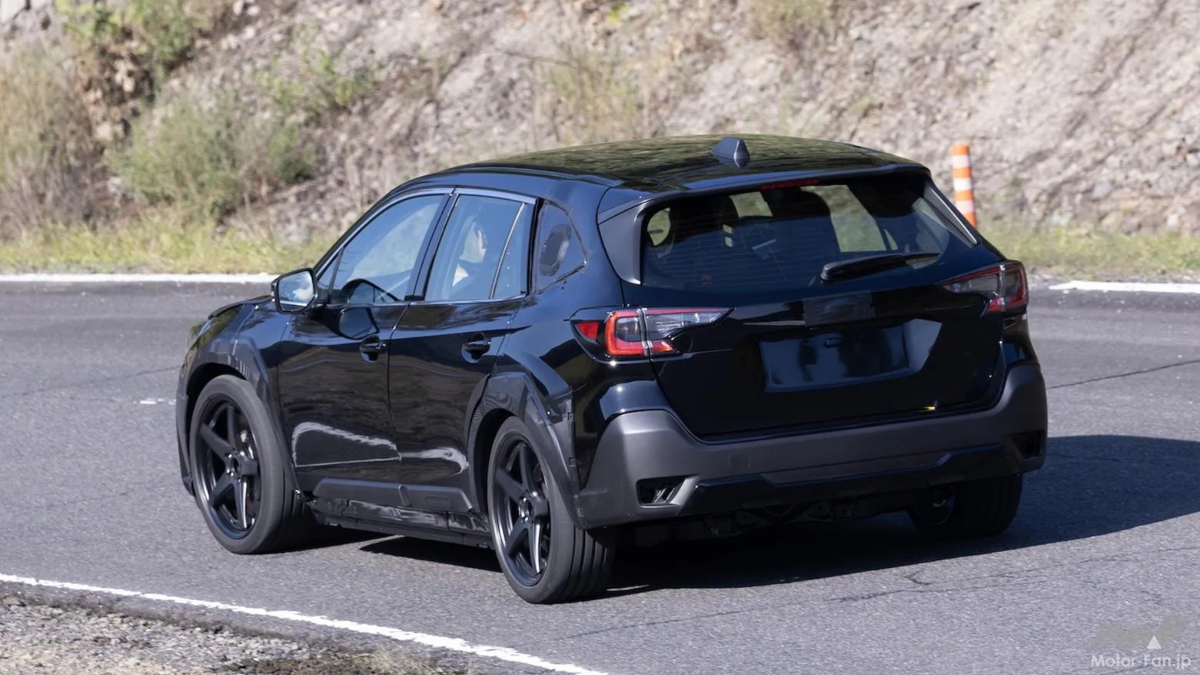
While cutting production times is great for investors, it’s more interesting to speculate about what is hiding under that camouflage. Based on the aggressive front fascia and wide, track-ready stance, this is clearly not an ordinary commuter crossover. The lowered ride height and muscular rear haunches also point directly to a dedicated high-performance application.
The widened, aggressive wagon silhouette looks suspiciously like an early physical prototype for the highly anticipated Performance-E STI. Adding fuel to this speculation, Eiji Shibata, Executive Vice President of Subaru and Chief Digital Car Officer, told motor-fan.jp: “The vehicles you rode today were either prototypes or models that are already on the market, but we’ll show you what the final product will look like in a few years.” This deliberate teaser suggests the camouflaged beast is a very real preview of Subaru’s electrified performance ambitions.
https://motor-fan.jp/