Working on the Turnaround
Porsche didn’t have the best of times in 2025. While sales were steady or even stronger in some markets, profits tumbled in ways the company wish it hadn’t. CEO Michael Leiters hasn’t even been a year into his post, and yet he’s already facing a massive challenge.
With that, Leiters announced a turnaround plan for the German automaker. Dubbed the Sports Car Company ’35 plan, the CEO is banking on smaller volumes but greater margins on each car sold among other things. He would like to make things a little leaner around Stuttgart and use agility to the company’s advantage. It won’t be easy, and Leiters’ job is most definitely on the line.
The Volume Driver
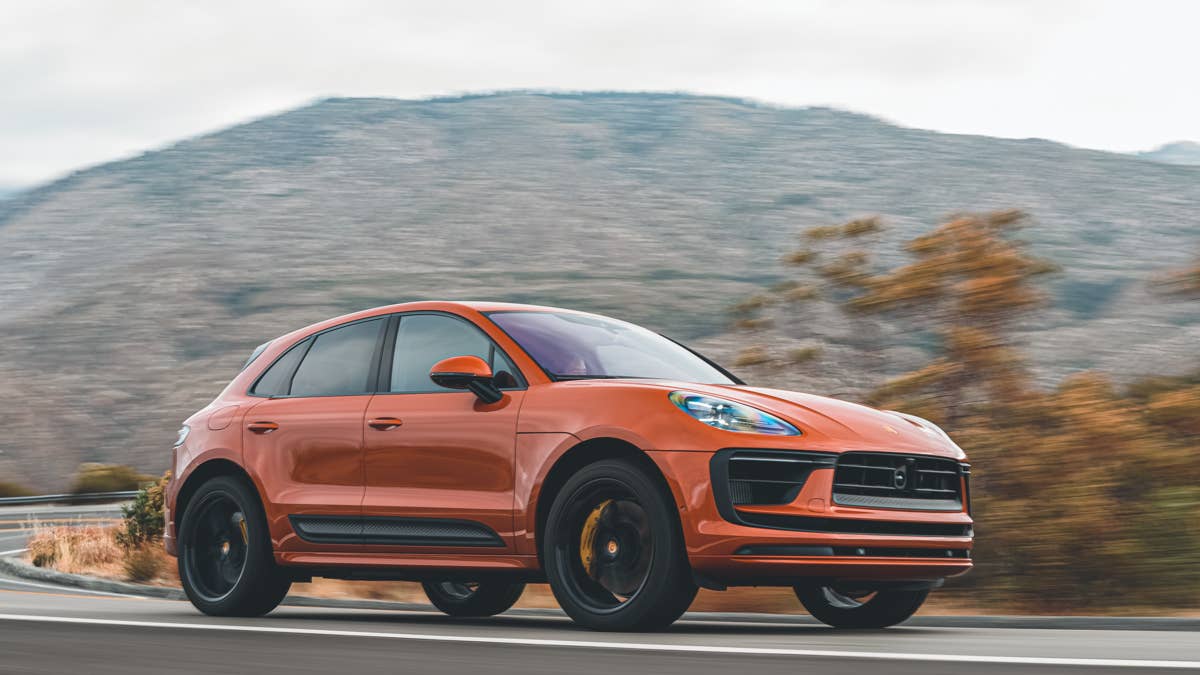
The Macan was easily Porsche’s best-selling product, but losing the combustion-powered version hurt the bottom line. Granted, the EV version is doing well for itself in Europe; markets that have been slow to adapt to electric mobility have been an opportunity cost for the brand.
As Automotive News reports, project M1 is on the fast track to claw back sales, and more importantly, revenue. We’re not entirely certain it will still be called the Macan, but the compact combustion-powered crossover is coming soon. It’ll rely more on Audi’s Premium Platform Combustion architecture, which should help curb development costs. But while we wait, Porsche gave the electric Macan a host of updates to sway more customers toward that model.
Porsche can also count on a flagship SUV slotted above the Cayenne. While it doesn’t have a name yet, the model is expected to share a lot in common with the Audi Q9. As for the electric 718 Boxster and Cayman, the company is targeting a 2027 debut after multiple delays.
Porsche
Low-Volume, Higher Gains
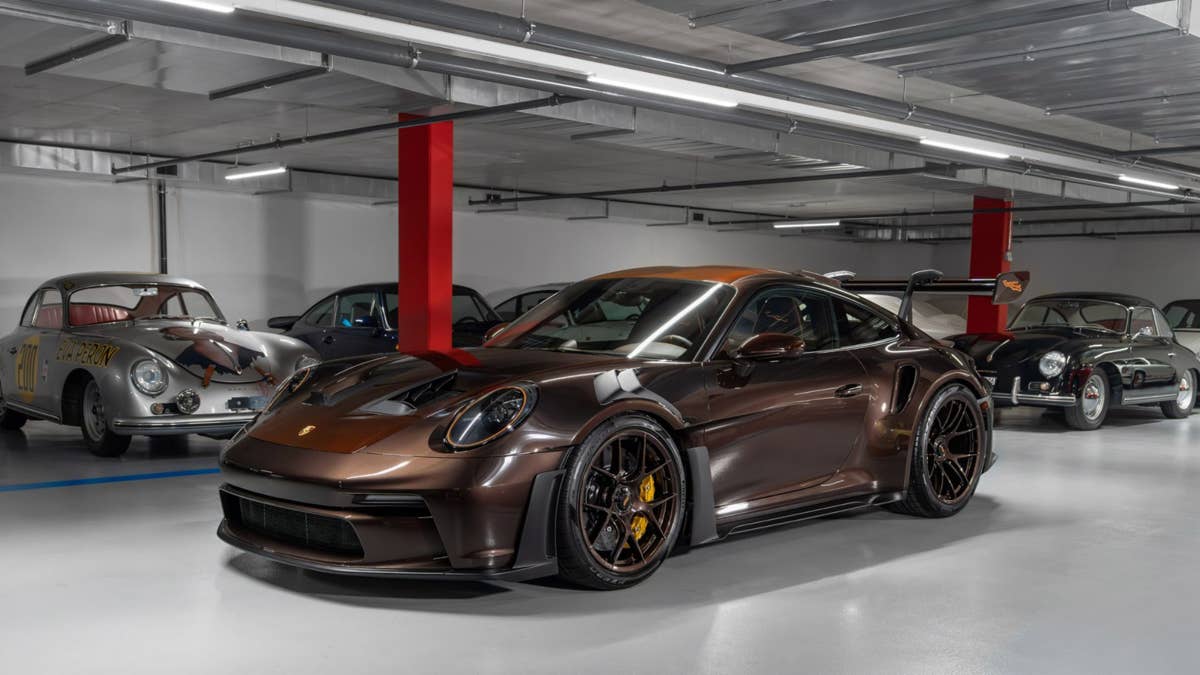
While Porsche isn’t chasing volume per se, future M1 sales should help the company. That said, Porsche is banking more on its Sonderwunsch program, as the individualization program generates a decent amount of cash flow. CEO Leiters is also banking on models built around the 911 to yield higher margins without having to sell a record-breaking number of vehicles.
It’ll be supported by streamlining operations within Porsche. The plan goes beyond reducing headcount; instead, it focuses on maximizing roles within the organization. It’s estimated that this could deliver 10 to 15% margin gains. Porsche is also pulling back its targets for the Chinese market, lowering the global sales goal to 250,000 vehicles per year. Based on the report, it’ll need at least 180,000 unit sales to break even.
A Halo Model is Not Out of the Picture
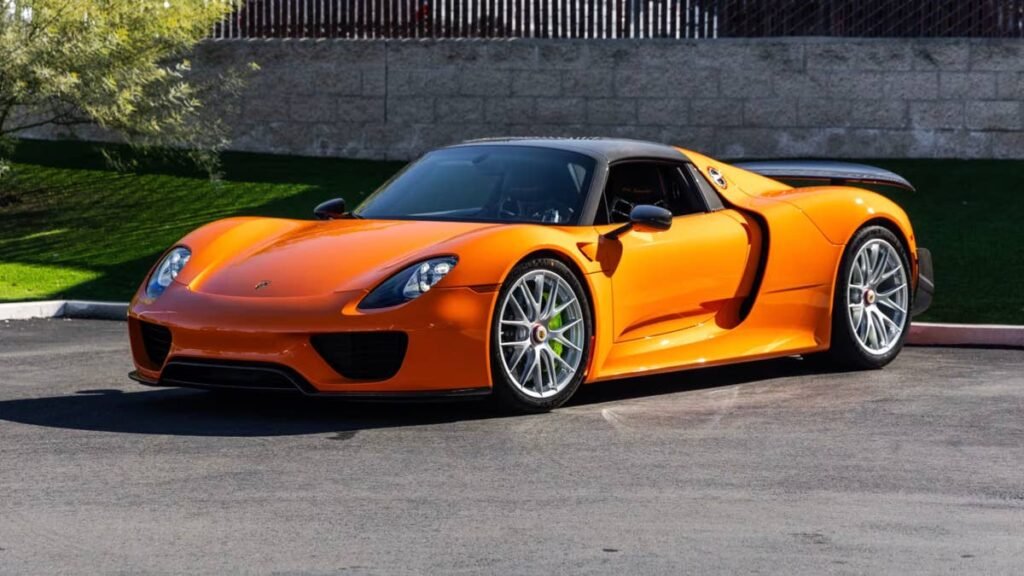
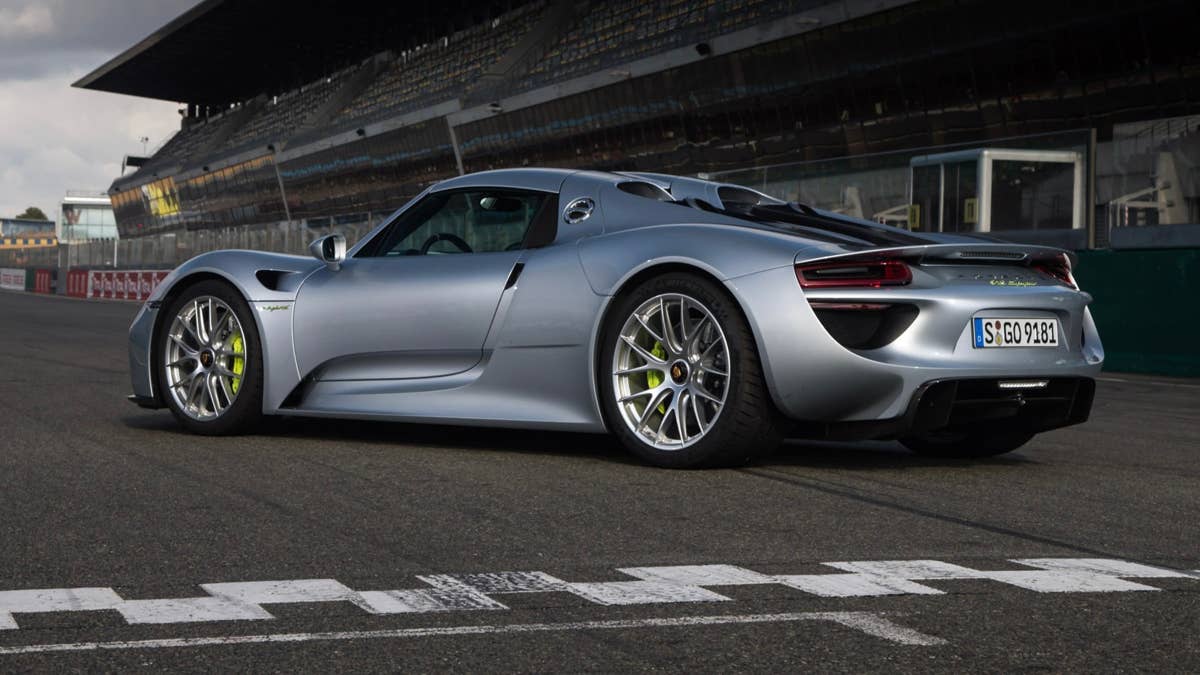
But while the company is tightening its belt, it would still like to build a halo hypercar. Per Automotive News, the project is internally known as S1 and has the blessing and approval if Leiters himself. After all, it’s been over a decade since the 918 Spyder premiered, and Porsche’s tradition of building a hypercar every decade has yet to be fulfulled in the 2020s.
Interestingly, it’s been said that it won’t be built from scratch. Instead, it’ll be heavily based on the 911. While it isn’t certain if it will be rear-engined, this move does break Porsche halo model tradition. Historically, Porsche hypercars had a bespoke platform used specifically for a single model, with the Carrera GT from the 2000s and the aforementioned 918 Spyder from the 2010s. It’s said that it will use a newly-developed V8 engine, likely with some form of electrification, and will blow past the $500,000 mark.
Of course, hypercar sales won’t lift company profits by itself, but it’s part of the brand’s strategy to rake in more cash while delivering fewer cars. But even in trying times, Porsche is still determined to build a hypercar for everyone’s enjoyment.
Porsche