The Car That Looked Faster Than It Was
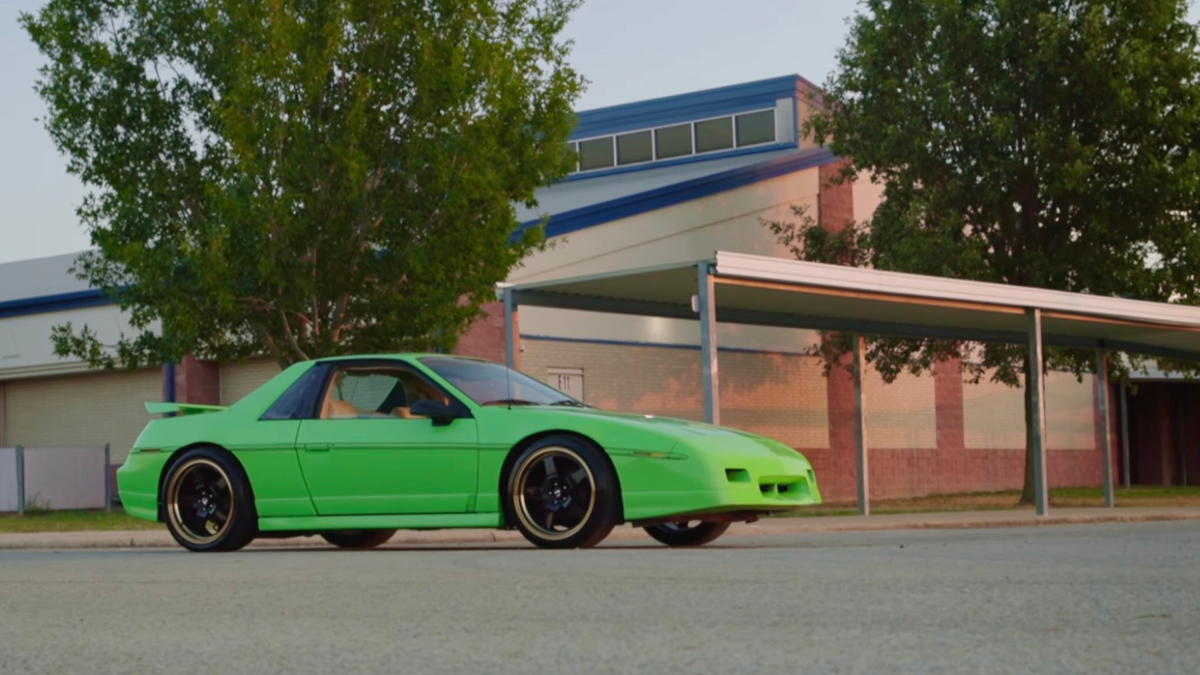
One of the cars under the General Motors umbrella that never seemed to reach its potential was the Pontiac Fiero. The Fiero had the looks with its distinctive wedge-shaped styling, along with a mid-engine configuration and rear-wheel drive. It could’ve taken the fight further against the Toyota MR2, but production lasted only from 1983 to 1988.
Despite those performance-leaning characteristics, Pontiac initially offered the Fiero with a 2.5-liter inline-four, reflecting its positioning as an economical commuter amid pressure to improve fleet fuel economy. A 2.8-liter V6 arrived for 1985, delivering 140 hp – over 40 hp more than the base engine. One engine type that wasn’t offered from the factory was a V8, which could’ve provided substantially more torque for faster acceleration, though potential trade-offs included worse fuel consumption and greater demands on the drivetrain. A sufficiently powerful version might also step on the toes of GM’s golden boy, the Chevrolet Corvette.
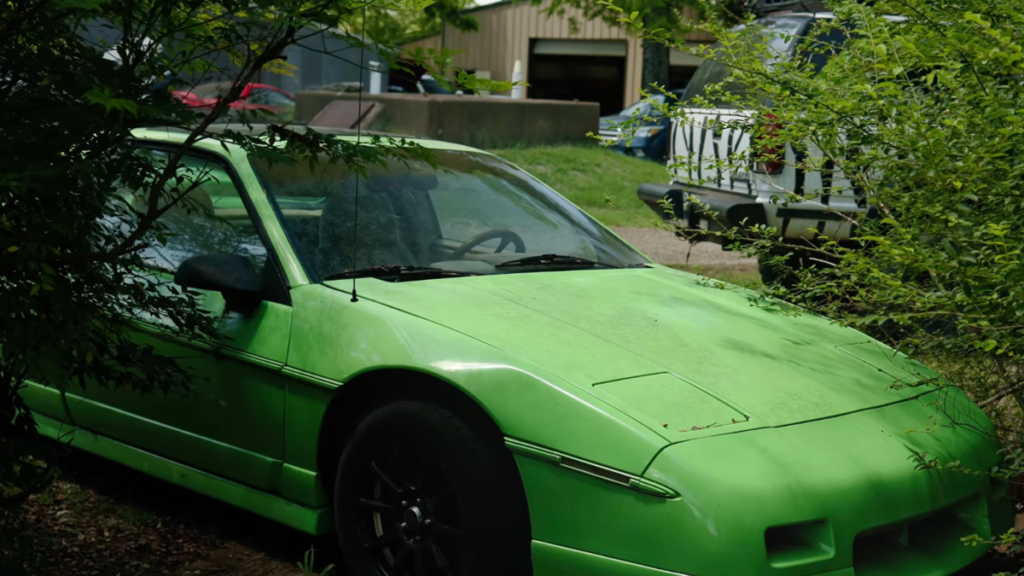
Some enthusiasts instead took matters into their own hands and shoehorned V8s into their Fieros, including the team at Turnin Rust, which revived a 1986 model that had been sitting for years.
Giving the Fiero Some Muscle
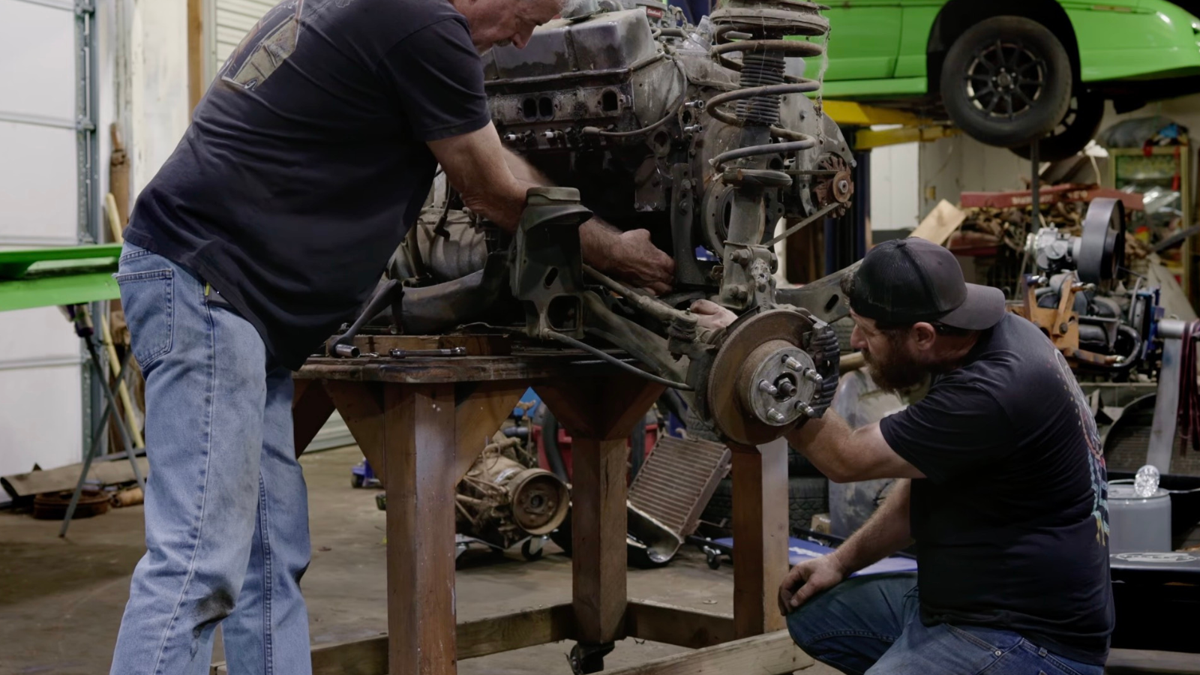
This particular Pontiac Fiero already came with a “Hot Rod 350,” or Chevy’s 5.7-liter small-block V8. The previous owner said the engine had run well before suddenly failing. The team’s inspection confirmed catastrophic internal damage, including a damaged connecting rod, leaving the engine unsalvageable. It was replaced with another 350 supplied by a friend, equipped with an LT4 Hot Cam and aluminum heads. The oil pan from the failed V8 was transferred to the replacement because the latter’s pan had sustained impact damage.
The engine was paired with a 3-speed TH125C automatic transmission, which the team described as the “weakest link” because of concerns about its ability to handle the V8’s output. The setup used an adapter plate and a high-stall torque converter rated at 2,300–2,500 rpm to better suit the camshaft.
Additionally, the car received secondhand aftermarket suspension components to give it a lower, sportier stance.
One for the Books
Whether the transmission will hold up to the V8 over time remains to be seen. Based on the initial test drive, though, the Pontiac Fiero appeared to run well and pulled hard on the street.
The Fiero is a reminder of how the car industry has evolved since the 1980s. Compact, two-door sports cars occupy a small niche, represented by the likes of the Mazda MX-5 and Toyota GR86, while crossovers and SUVs dominate much of the market. Their future is uncertain as electrification continues to change the formula, but at least there are nameplates like the Fiero to look back on.