Polestar Wants an Explanation
What began as a seemingly straightforward U.S. sales ban on Polestar over its ties to China has become a messy back-and-forth. The Swedish automaker is pushing back, citing details it says suggest possible “disparate treatment,” particularly since Volvo remains allowed to sell vehicles stateside.
According to Automotive News, Polestar was led to expect approval as recently as April 2026, but the Commerce Department denied its applications in June. Both Polestar and Volvo share the same majority Chinese owner, Geely Holding Group, so the different outcomes could appear unfair. To add insult to injury, Polestar is also being sued by a New Jersey dealer group alleging that the automaker had planned to leave the U.S. beforehand and used the ban as an excuse.

Polestar
The Approval Process Gets Complicated
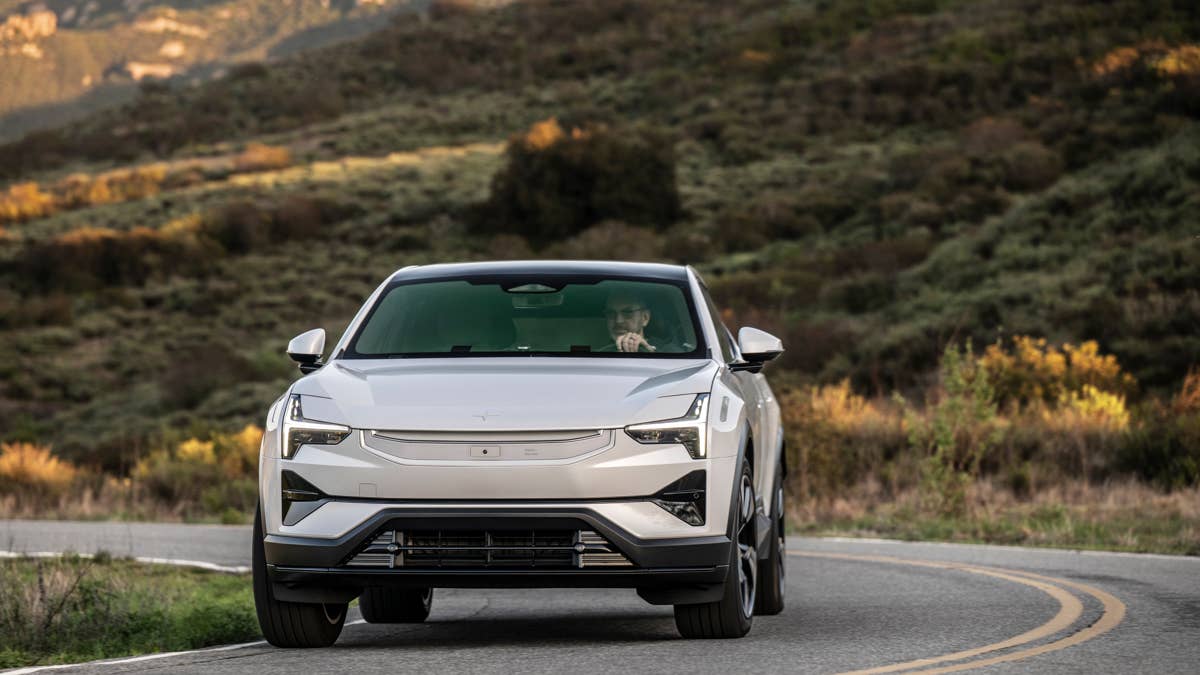
Polestar – which sells EVs such as the Polestar 3, built at the same South Carolina plant as the Volvo EX90 – filed its first U.S. sales-authorization application with the Commerce Department’s Bureau of Industry and Security in May 2025. Over the following months, the agency reviewed the application and asked the automaker detailed questions.
The Geely-owned EV maker said it had offered to discuss safeguards including audits, cybersecurity reviews, and removing any China-linked involvement from its data management.
In January 2026, agency officials reportedly told Polestar’s outside counsel that they had enough information and were preparing to recommend approval. In April, a Commerce Department official reportedly said it would be reasonable for Polestar to expect approval if Volvo received clearance under the same ownership structure and with the same hardware and software. However, Volvo received authorization in May, while Polestar’s applications were denied the following month – barring the automaker from selling 2027-model-year and newer vehicles to American buyers.
While this series of events suggests that Polestar is eager to continue competing in the U.S., the aforementioned lawsuit says otherwise. Seeking at least $25 million, the New Jersey dealer group claims the automaker violated the state’s Franchise Practices Act. It alleges that Polestar had planned its U.S. exit about two years earlier and rejected the automaker’s “force majeure” claim that the ban was beyond its control.
Polestar
It’s About More Than Where a Car Is Built
The U.S. Connected Vehicles Rule was imposed over national security concerns, including the possibility that foreign adversaries could collect sensitive data or remotely manipulate connected vehicles through linked software and hardware. In a similar vein, Mercedes-Benz – nearly 20% of which is owned by Chinese investors – could be affected by a proposed Senate bill targeting automakers with more than 15% Chinese ownership.
Despite the looming ban, Polestar has assured customers that it will continue providing support, including honoring warranties and offering service and repairs. The company will seek further discussions that could eventually allow it to resume new-vehicle sales.
James Ochoa