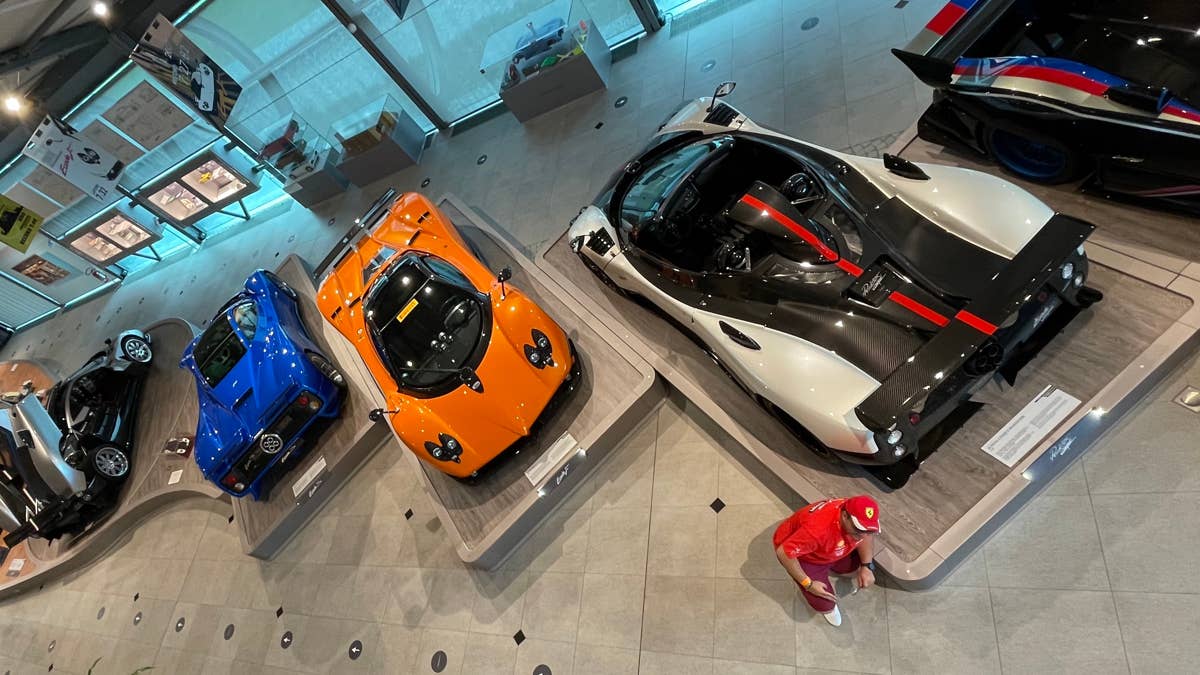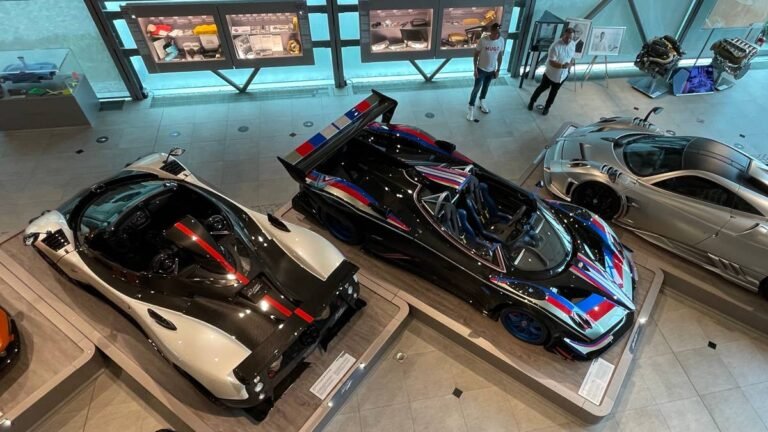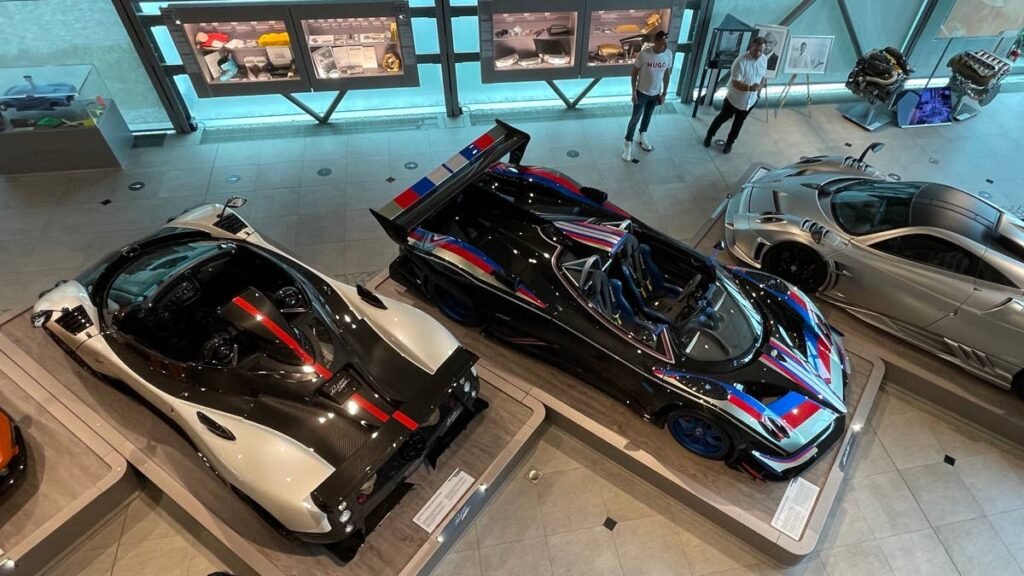
Stepping inside the Pagani Automobili atelier feels less like visiting a car factory and more like entering a Renaissance art studio. The facility churns out some of the most expensive hypercars on the planet, yet the mastermind remains surprisingly grounded. Despite building multi-million dollar mechanical sculptures, Horacio Pagani chooses a humble Toyota minivan for his daily commute, proving true luxury is sometimes supreme practicality.
This grounded nature contrasts with his boundary-pushing history. Long before launching his eponymous brand, Horacio revolutionized the supercar industry by applying early carbon fiber mastery to the iconic Countach during his years at Lamborghini. That relentless pursuit of material perfection laid the groundwork for the obsessive processes his company employs today.
The Obsessive Details
From what I got from Mat Watson’s latest video with Carwow, the sheer cost of assembling a modern Pagani is best illustrated by the hardware holding the chassis together. The company shuns off-the-shelf fasteners, opting to use roughly 2,000 custom-machined titanium bolts per vehicle. At approximately $80 apiece, the hardware alone costs over $160,000, dwarfing the price of a brand-new Porsche 911. Each bolt features a logo etched to a microscopic two microns.
That extreme material reduction applies directly to the interior. Technicians start with a 95-pound block of aluminum and mill away the mass until a 3.7-pound core remains, which an artisan hand-polishes for eight hours. Even the hidden engine dipstick is carved from billet titanium and precisely threaded so the engraved logo sits perfectly upright when tightened.
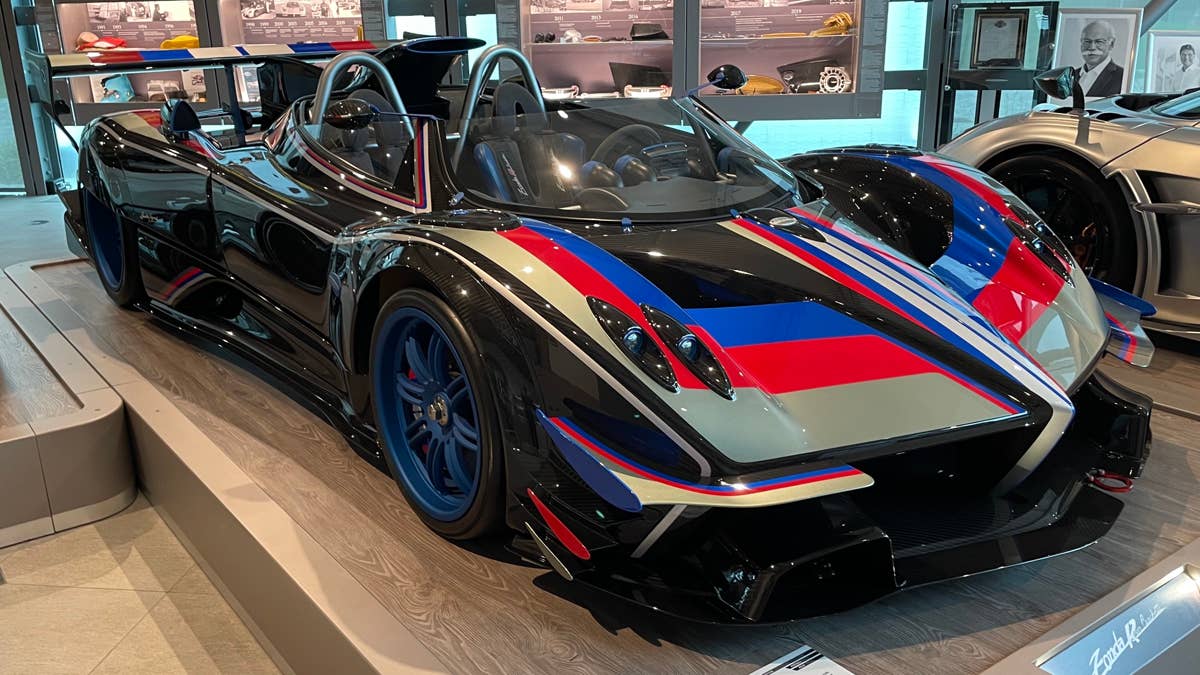
Pagani treats mechanical interfaces as kinetic art. The exposed manual gear selector features visible springs and titanium linkages providing an incredibly raw, tactile connection. This dedication to mechanical purity is frequently showcased in customized one-off commissions like the Huayra Derecho, where the raw shifting mechanism takes center stage in the cabin.
Stephen Fogel
Holding Out for Internal Combustion
While the broader industry sprints toward silent electrification, Pagani remains a glorious holdout for internal combustion. The company researched battery-powered platforms but scrapped its electric supercar program after realizing its wealthy clientele possessed zero interest in it. Buyers simply demand the visceral roar of an AMG V12 and undeniable mechanical feedback.
This obsessive engineering proves why Pagani operates on a completely different plane than standard exotic manufacturers. The company is not about chasing track lap times at the expense of pure emotion. When a manufacturer cares enough to perfectly align a hidden dipstick, they are not merely building transportation. They are preserving the romantic era of motoring.
Stephen Fogel