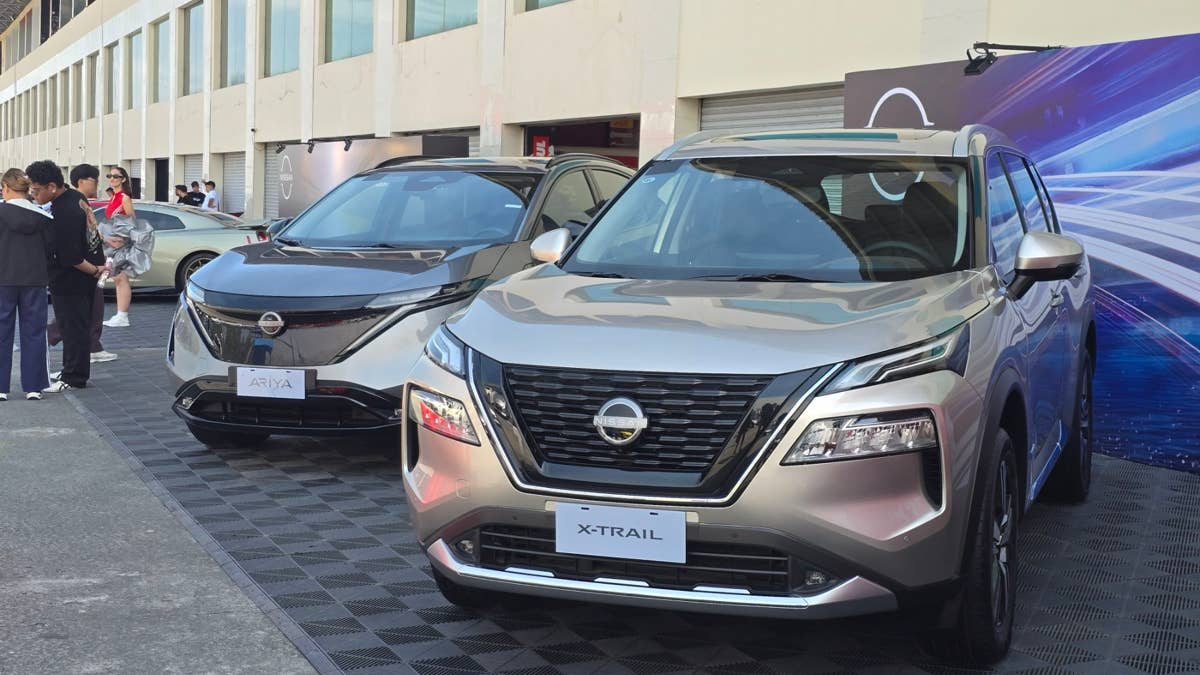
Nissan has spent years desperately fighting for corporate survival. Facing massive financial hemorrhaging, executives were forced to cut costs across every global division. The subsequent bloodletting was severe. Regional management had to painfully cut jobs worldwide and decisively shut factories holding historic significance. Things grew so desperate that the company sold HQ assets just to maintain operational liquidity.
Fortunately, this grim financial reality is finally starting to shift favorably. A drastic global strategy to sharply cut models from its bloated vehicle lineup undeniably helped stop the cash bleeding. By focusing solely on highly profitable segments, the brand is finally noting positive results across key automotive markets. Yet, stopping the financial bleeding is entirely different from returning to robust health.
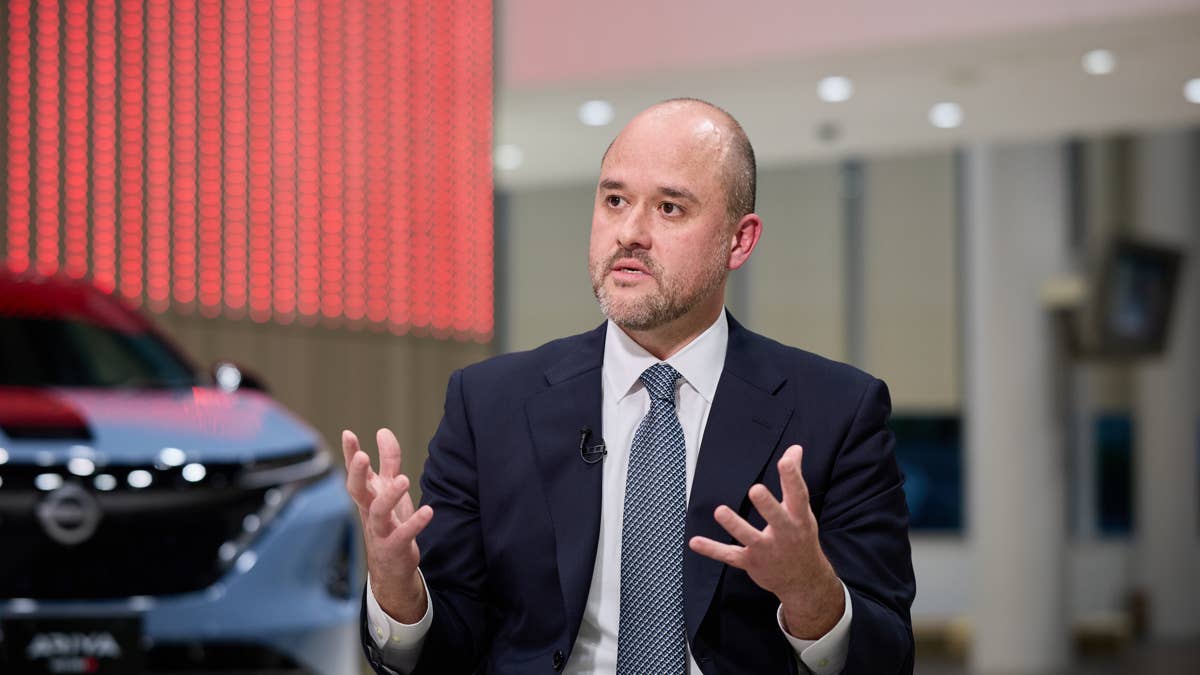
Shoko Takayasu/Bloomberg via Getty Images
The Rogue e-Power to the Rescue
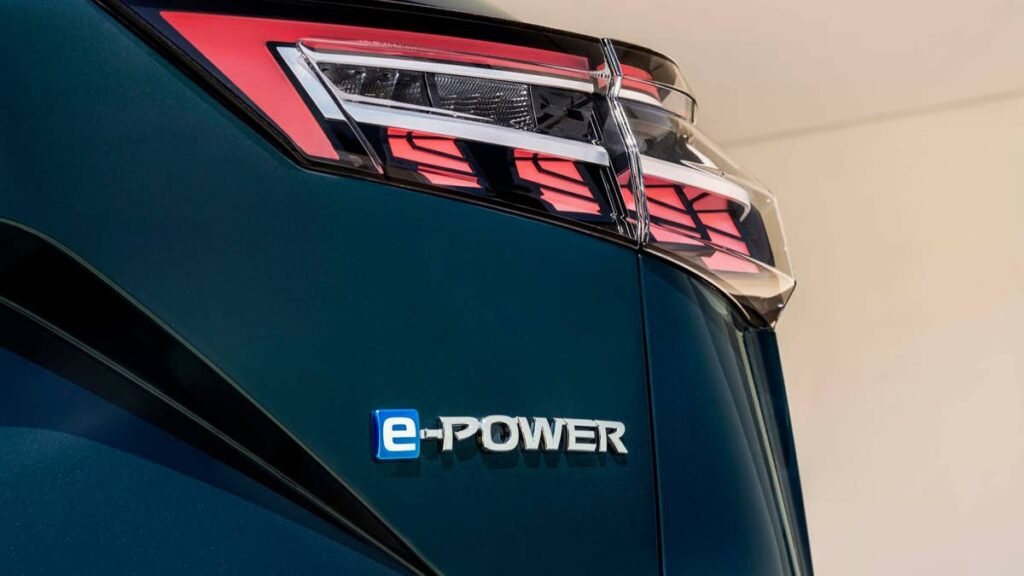
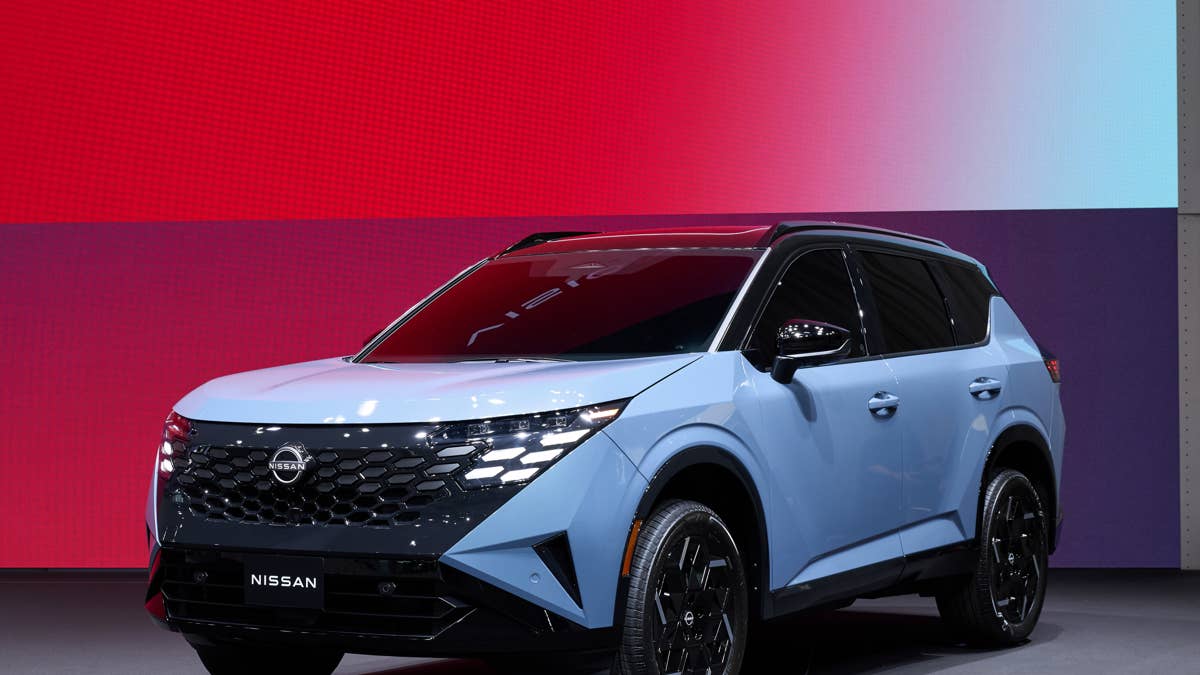
That triumphant return to true profitability hinges entirely on one highly critical product launch. In a report by Automotive News, Nissan CEO Ivan Espinosa emphasized that the impending Rogue e-Power represents the absolute cornerstone of their future volume strategy. Espinosa made it clear during the briefing that this specific vehicle is not merely another routine update; it serves as an existential necessity.
Espinosa’s bold strategy openly acknowledges that traditional battery electric vehicles remain far too expensive for mainstream suburban buyers right now. By intelligently deploying their proprietary hybrid technology directly into their best-selling family crossover, the brand hopes to capture hesitant consumers. This crucial launch specifically aims to generate massive, sustained revenue.
The engineering genius behind this hybrid system lies in how it operates beneath the sheet metal. Unlike conventional competitor setups, the combustion engine never actually drives the wheels directly. Because the gas engine strictly functions as an onboard electrical generator, the crossover drives differently from traditional rivals. Daily drivers experience instant motor torque and remarkably smooth electric acceleration.
Nissan is Betting on Itself, and it’s Working. Sort of.
Espinosa is placing a gargantuan corporate bet on a single transitional powertrain philosophy. While the compact crossover segment remains incredibly lucrative in America, leaning so heavily on a localized hybrid strategy actively highlights that Nissan still has a long way to go concerning global electrification. They might even need to eventually adopt foreign architectures.
Ultimately, the modern automotive industry remains an entirely unforgiving environment for legacy brands. If cautious consumers eagerly embrace this unique hybrid driving experience, Espinosa will undeniably look like a visionary savior. If this crossover fails to resonate, however, all those painful workforce sacrifices will simply look like a terribly delayed corporate funeral.
Leroy Marion/Autoblog