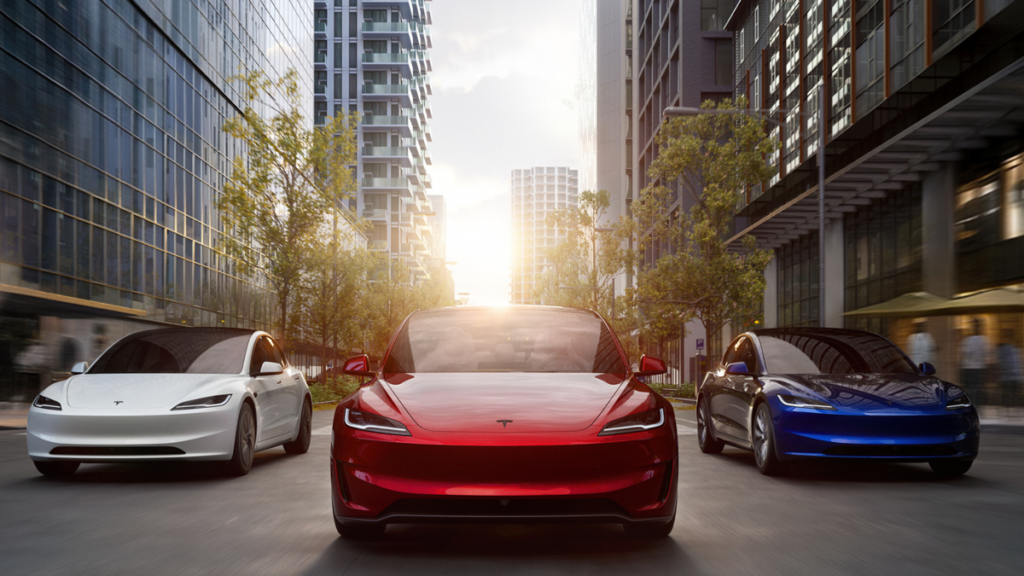
An annual EV Index tracking adoption sentiment across major markets, and the 2026 US edition found that over 50 percent of surveyed drivers say elevated gas prices have raised their interest in going electric. That’s not a small shift, and it’s happening at the exact moment federal EV policy has moved in the opposite direction — tax credits gone, charging infrastructure funding cut, emissions rules rolled back. Consumers are apparently doing the math on their own.
The Real Reason Isn’t Politics — It’s $6 Diesel
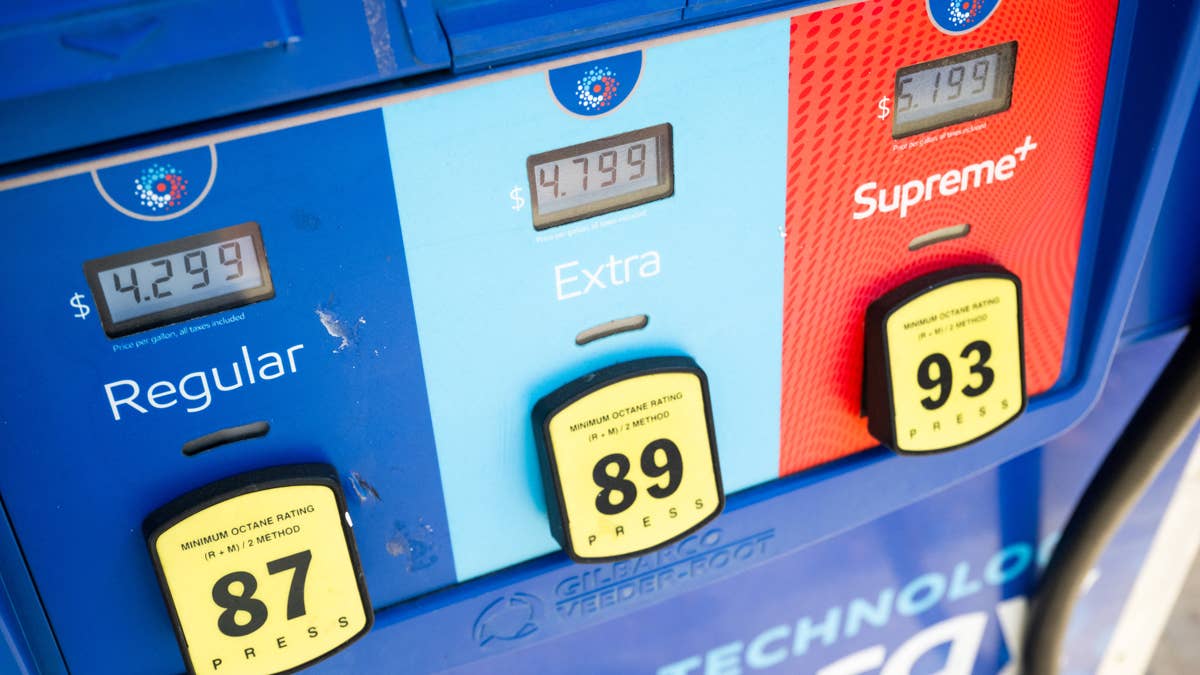
Gas prices have surged largely because of the ongoing war with Iran, and the numbers are brutal: one analysis puts the extra annual fuel cost for a gas-vehicle owner at over $700, based on a roughly 50 percent jump in prices since the conflict began, with diesel now running past $6 a gallon in parts of the country. That’s the actual mechanism behind this Here Technologies and SBD Automotive survey number — not a shift in climate politics, not a new ad campaign, just drivers watching their fuel bill and doing the arithmetic on what an EV would save them.
SAUL LOEB / AFP via Getty Images
The Old Excuses Are Disappearing Too
Charging anxiety, long the go-to reason to avoid an EV, is fading fast in this same survey: 47 percent of respondents now say there’s a reasonable number of public chargers available, nearly double the 28 percent who said so in 2025. Among people who already own an EV, 85 percent say the infrastructure is adequate — which tracks with how the used EV market has been setting sales records even as new EV sales cratered more than 20 percent this year without the tax credit propping up sticker prices.
There’s Still One Wall Buyers Keep Hitting
Tesla
Price remains the real holdout, with two in five surveyed drivers still calling EVs too expensive — the exact gap Ford and Slate are racing to close with sub-$30,000 electric trucks aimed at buyers who’d otherwise never consider going electric. It’s also why Toyota’s EV sales jumped 136 percent this year on the strength of models priced under $30,000, even while the rest of the new EV market struggled. Once people actually buy in, the loyalty numbers are striking too: 77 percent of current EV owners say they’d likely replace their EV with another one.
Whether this survey number turns into actual sales is the real test. Sentiment and purchasing behavior have diverged before, and a big chunk of the interest driving this figure is tied directly to how long gas prices stay this painful. But for an industry that’s spent all year absorbing bad news, a majority of American drivers saying “actually, maybe” is not nothing.