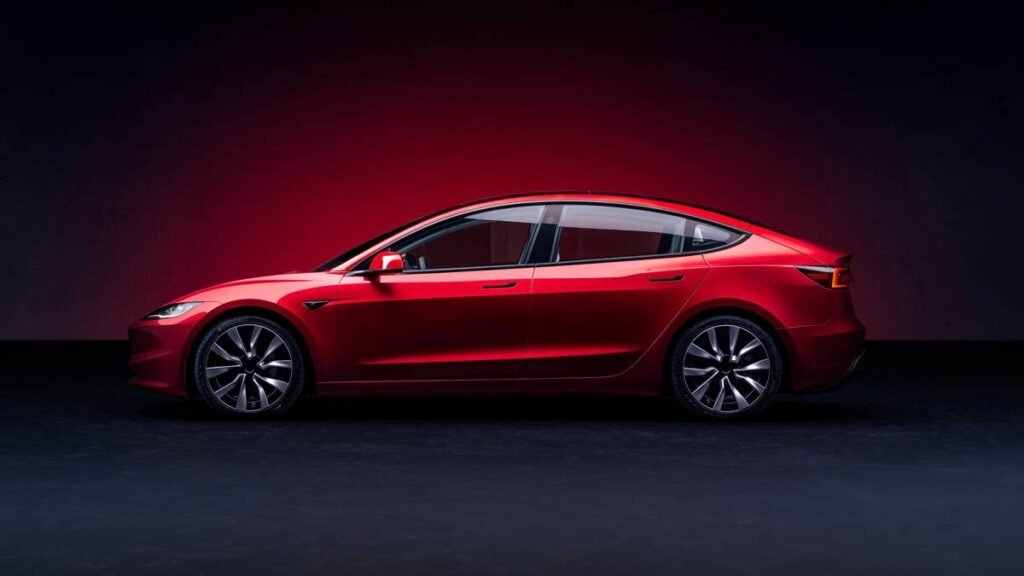
The study measured each model’s median state of health (SoH) — the share of a battery’s original usable capacity still remaining — at 50,000, 100,000, and 150,000 km, using AVILOO’s OBD-based FLASH Test rather than reading each car’s own battery management system. At the 150,000-km mark (roughly 93,000 miles), the Mercedes EQA led the field at 94 percent SoH, followed closely by the Hyundai IONIQ 5 at 93.8 percent and the BMW i4 at 93.6 percent. The Hyundai Kona EV and Volvo XC40 Recharge rounded out the top five, both above 92.7 percent.
Tesla’s Reputation Takes A Hit
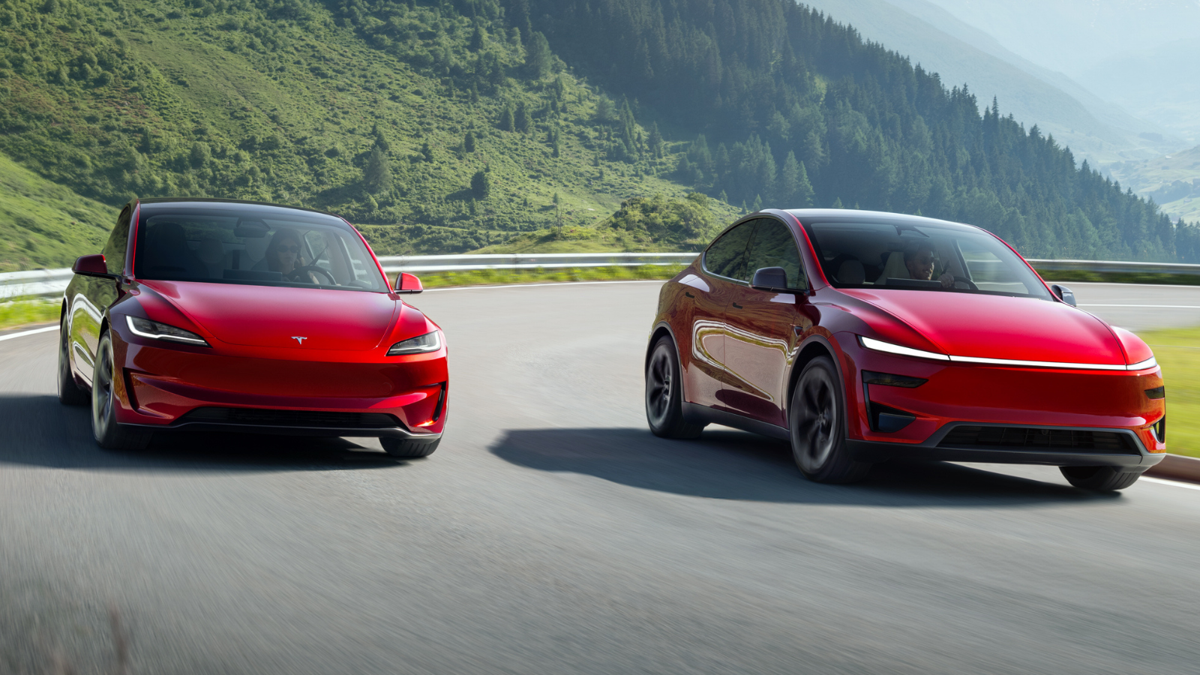
Tesla has leaned hard on its battery longevity reputation for years, and an earlier, smaller study out of Sweden actually had the Model Y finishing third overall. This much larger dataset tells a different story: the Model Y landed at 90.3 percent SoH at 150,000 km, and the Model 3 came in at 88.9 percent — the second-worst result of any model with a comparably sized battery pack, ahead of only the small-pack Nissan Leaf, MINI Cooper SE, and Renault Zoe. AVILOO’s own researchers note the gap isn’t catastrophic in absolute terms, but it undercuts the assumption that Tesla batteries simply outlast everyone else’s by default.
Small Batteries Age Faster, And Individual Cars Vary Wildly
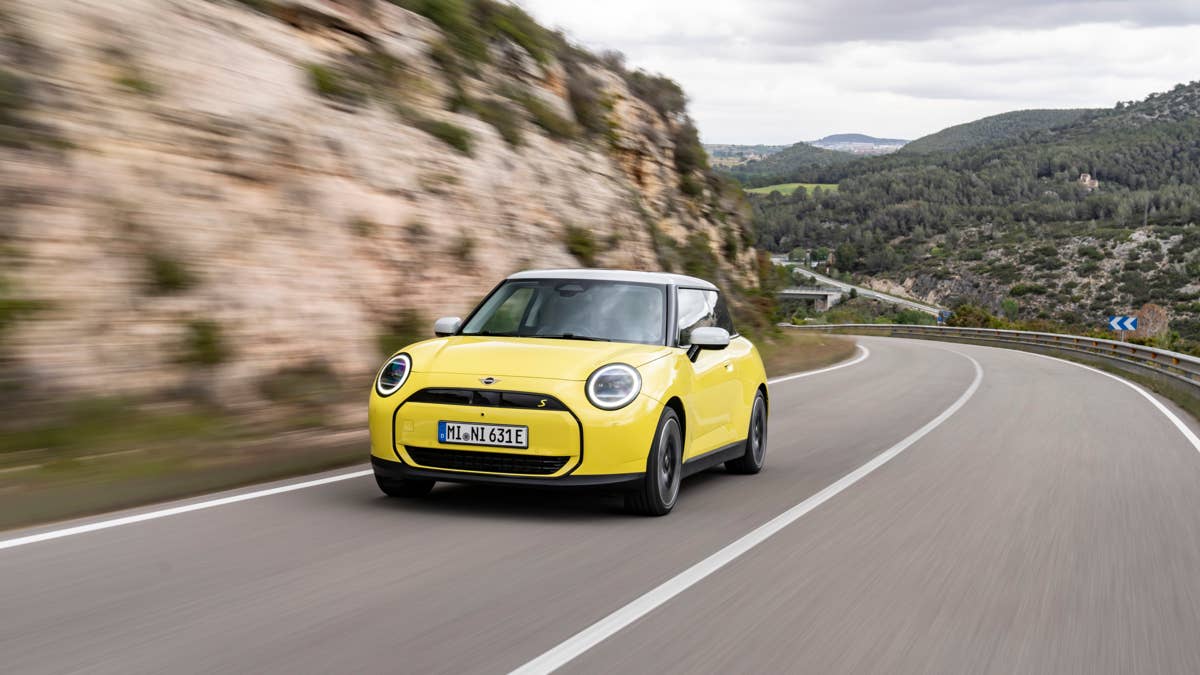
The bottom of AVILOO‘s list shares an obvious trait: smaller packs. A 40-kWh battery has to cycle through far more charges to cover the same distance as a 78-kWh one, and those extra cycles show up as measurably faster degradation — the MINI Cooper SE dropped seven full points of SoH between 50,000 and 150,000 km, the sharpest fall in the study. AVILOO also flags a bigger caveat for anyone shopping used: the gap between the best and worst individual examples of the same model ran as high as 13.5 percent, meaning two IONIQ 5 EVs on the same lot can have genuinely different real-world range, and nothing on the dashboard reliably tells you which one you’re looking at.
The Bigger Picture Hasn’t Changed
None of this should read as an alarm bell. Even the worst-performing model in the study still retained over 86 percent of its original capacity after 150,000 km, and real-world examples of EVs pushing past 300,000 miles on largely original battery packs keep surfacing regardless of brand. What’s changed is the confidence with which “buy a Tesla for the battery” can be stated as fact — this dataset, the largest of its kind, suggests that specific claim deserves more scrutiny than it’s gotten.