Regaining its Footing
Mercedes-Benz‘s quest for profit at the expense of volume hadn’t panned out. With that, the German automaker has pivoted its focus to sell more while securing the profits it needs for a greater product push. It’s a tough ask, but the company has a plan.
Under the new direction, Mercedes-Benz is targeting the ‘mainstream premium’ segment, a market that BMW and Lexus have been focused on for quite some time already. The folks from Sindelfingen now want a greater slice of that pie after the low-volume, high-profit strategy had backfired.
So far, there are positive signs towards Mercedes-Benz’s volume push. The company shifted more GLEs than ever, but one model alone can’t do all the work. With that, Mercedes-Benz USA CEO Adam Chamberlain laid out plans to achieve the automaker’s most ambitious plan for the U.S yet.
Mercedes-Benz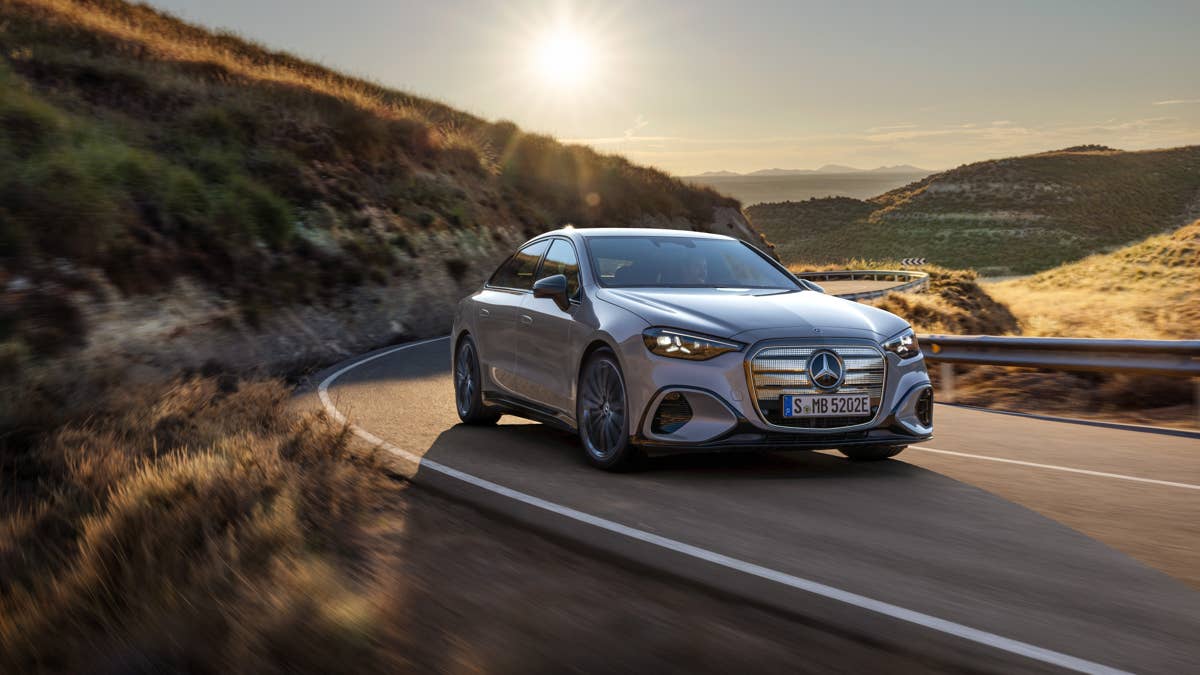
It Starts with the Frontline
In an interview with Automotive News, Chamberlain said he would like Mercedes-Benz to achieve 400,000 unit sales per year in the U.S by 2030. That’s a huge deal, as not only does it have to leapfrog over Lexus and BMW, but no luxury automaker has ever broken past that number. With that, Chamberlain wants Mercedes-Benz to be first to blow past that.
To do that, the company and its dealers need to reconnect. Chamberlain will be the crucial link between the two, and admitted that it “lost the core of some of our relationship with our dealers.” “We’ve been really intentional on trying to simplify, declutter the relationship with the dealers,” added the executive. He also wants sales executives to give customers a greater, more involved experience instead of “spending all day behind a laptop or a monitor managing [key performance indicators].”
Mercedes-Benz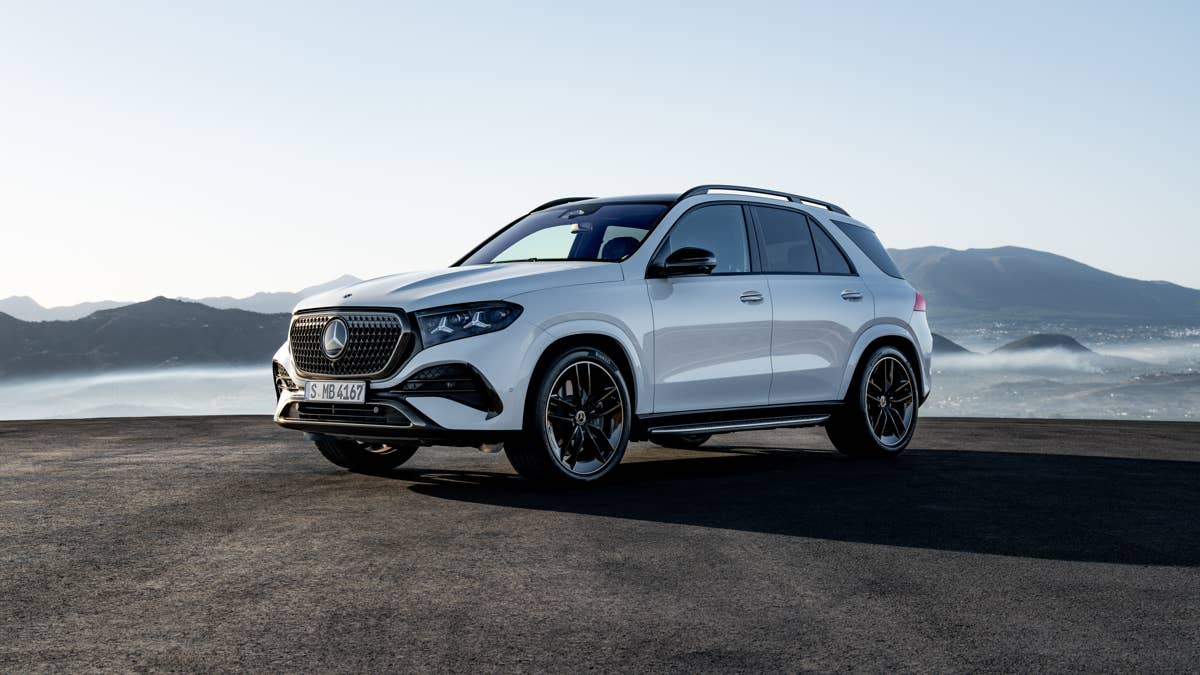
The Product Push
Mercedes-Benz is pulling out all the stops in its bid to chase volume. Chamberlain said that the company will roll out 30 new cars for North America, likely within the next two to three years. It was previously mentioned that 16 new cars will be launched by 2026, with the rest launched in 2027 and beyond.
Some of these cars have already been revealed. There’s the heavily updated GLS and GLE, the latter being a crucial sales driver for the brand. The significantly revamped S-Class, while not a volume model, is important for generating profits and as a showcase of what to expect in the company’s ICE models. On the electric front, the GLC EV will arrive in showrooms by mid-2026, and we can expect the battery-powered C-Class to be available towards the end of the year.
From a more global perspective, Mercedes-Benz canceled plans to axe the A-Class and will live for another generation. The VLE has all the potential to succeed in China, given the country’s strong electric minivan market. We can also expect the facelifted fuel-fed C-Class down the line.
Mercedes-Benz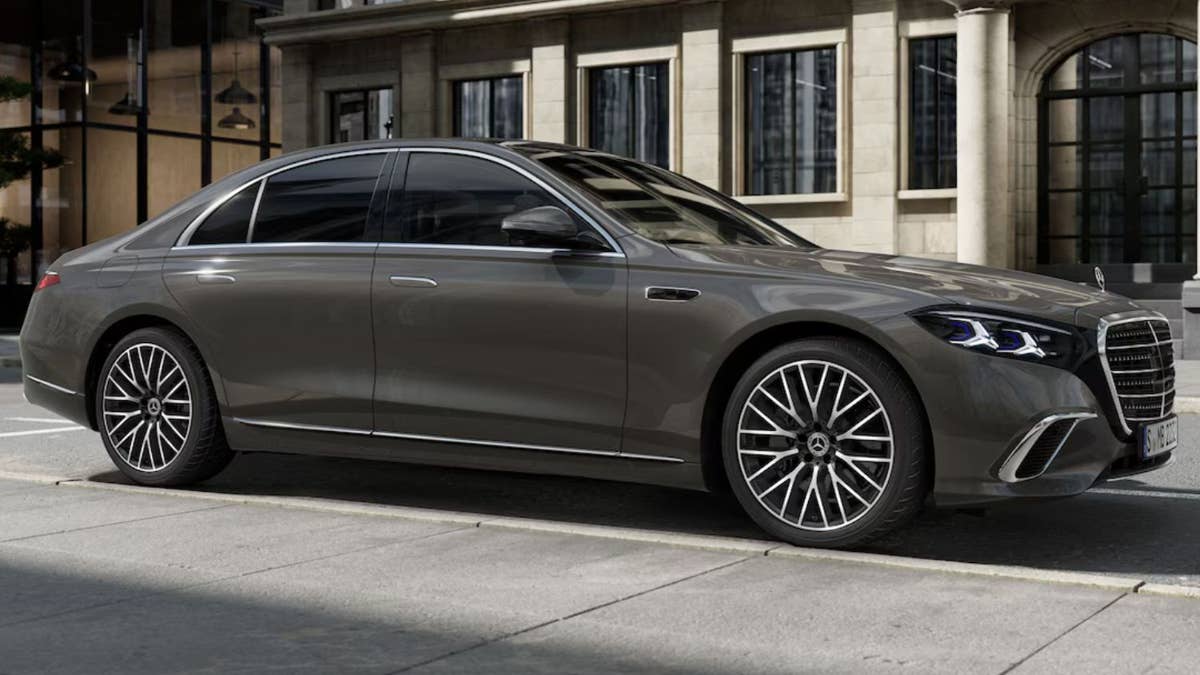
Circumventing Tariffs and the Bottom Line
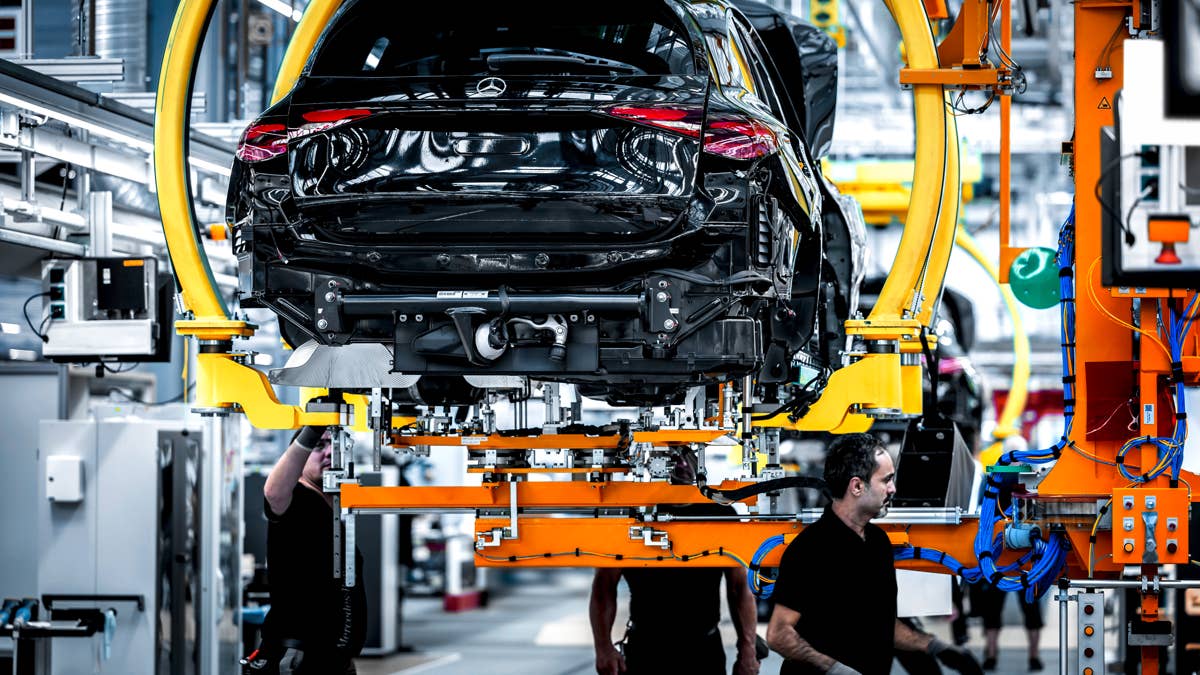
As with many automakers, tariffs have been the biggest hurdle to earnings. For Mercedes-Benz, it cost the company $1.2 billion, slashing its earnings by a whopping 57% last year. To avoid that sting, Mercedes-Benz is in the process of adding a third model to be built in its Tuscaloosa, Alabama, facility.
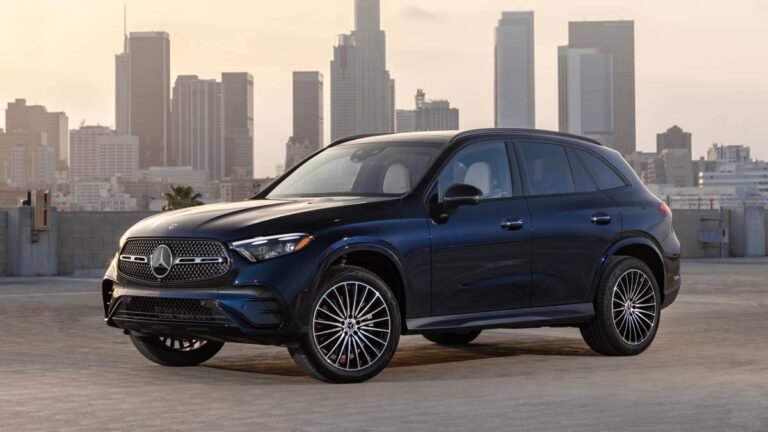
That model would be the GLC, the company’s best-seller not just in the U.S. but worldwide. At the moment, GLCs sold in America are sourced from Germany, and Mercedes-Benz is paying a hefty bill for every one sent stateside. With the current tariffs, not to mention the threat of an additional 25% tariff on every car built in Europe, the company is prioritizing adding the popular crossover to its American assembly line.
Production for the Alabama-built GLC will commence by 2027. That should hopefully lessen the impact of tariffs on the company. Combine that with the wave of new models Mercedes-Benz will be rolling out, and it should help the brand, at the very least, get closer to 400,000 units per year in the U.S. For now, though, it’s baby steps, and it’s targeting 325,000 units by the end of the year.
Mercedes-Benz