Mazda has been slow to adopt all-electric vehicles, and it’s about to slow progress even further. After it was announced at the beginning of 2026 that Mazda would delay its first in-house-developed EV from 2027 to 2028, the automaker has now decided to push that timeline back another year, with its first EVs only arriving in 2029 at the earliest. Concurrently, Mazda has announced that it is slashing EV investments by nearly half, focusing instead on profitable hybrids. While this may seem like a tumultuous time for the Japanese company, Mazda CEO Masahiro Moro said that it will be able to shift with almost no impairments or write-downs, unlike Stellantis, GM, and Ford, for example.
Mazda Is Careful With EV Expenditure, and It Could Pay Off Big Time
Mazda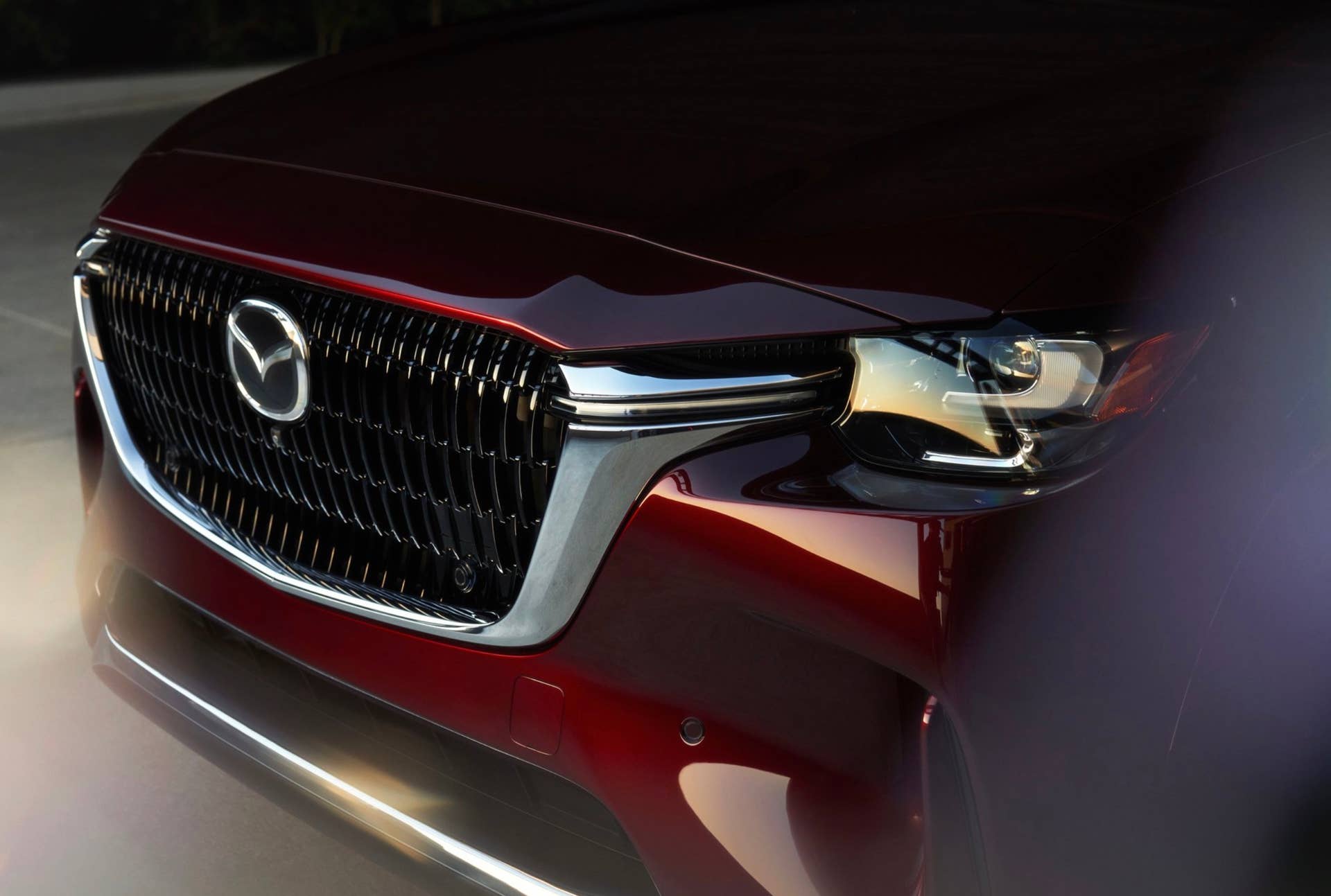
Mazda has described itself for years as an “intentional follower” when it comes to EV development, partly because of research and development budget limitations, and partly because it wanted to be sure that the world would gravitate toward all-electric mobility before betting it all on red. According to Automotive News, Mazda had not fully locked in funds intended for EV development before deciding to reverse course. “We made the decision before we started,” said Moro today while announcing Mazda’s financial results for the fiscal year ended March 31. “For battery EVs, we were always careful.” Toyota has also been pragmatic and careful in its approach to EVs, but it still took a $1.2 billion hit last year, thanks to the war in Iran, tariffs, and yes, EV costs. Toyota is pivoting to hybrids to improve profitability, and that’s what Mazda has planned too, which could be huge in the current climate, where hybrids are soaring in popularity.
Related: Mazda Is Asking Enthusiasts How to Build the Next Miata
“Regarding internal man-hours, we are shifting resources back from electric vehicle-related work to internal combustion engines and hybrid vehicles,” said Moro. Along with the hybrid version of the revised CX-5 crossover scheduled for 2027, which may also spawn a rugged variant, Mazda now intends to launch no less than three new hybrids between 2028 and 2030, each with the Mazda-created Skyactiv-Z four-cylinder engine rather than the Toyota-developed hybrid powertrain in the CX-50. While it works on these products, European EV demand will be satisfied by the likes of the Chinese-made EZ-60 crossover and EZ-6 sedan, allowing Mazda to cut electrification investment from roughly $12.53 billion to approximately $7.52 billion through 2030. Its new target is to produce 200,000 to 250,000 EVs by 2030, roughly 15 percent of global volume and down from previous targets of between 25 and 40 percent.
Autoblog’s Take
Jared Rosenholtz/Autoblog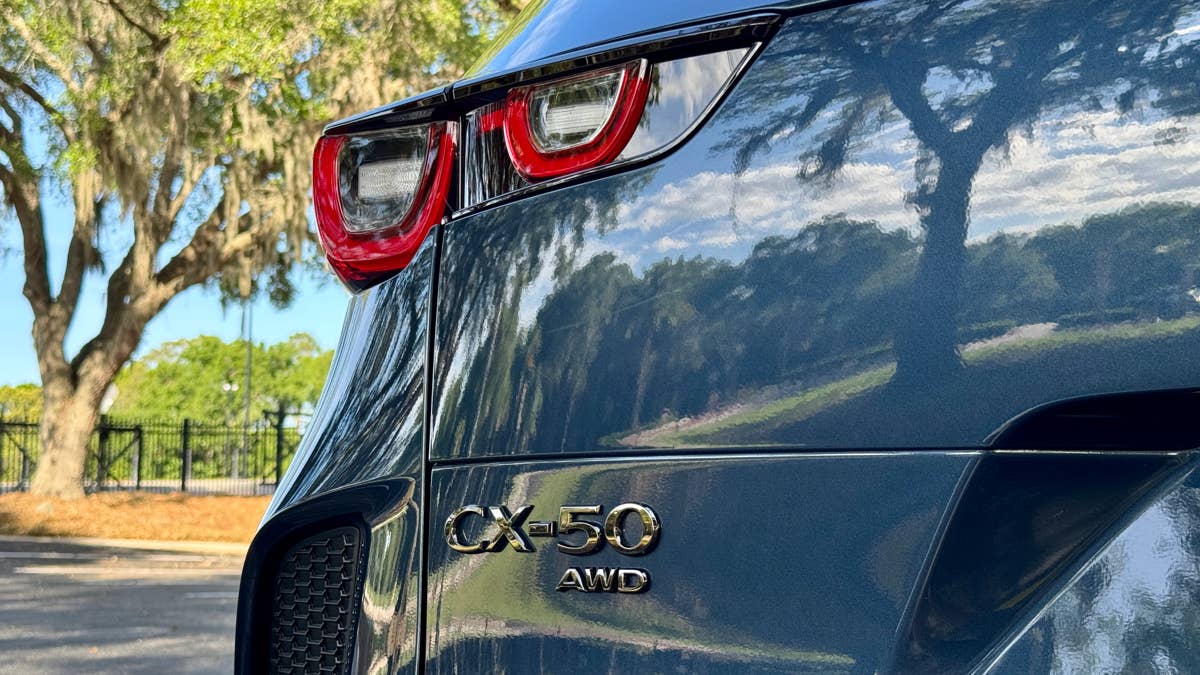
Six years ago, the likes of Mazda and Toyota were criticized for taking the long route to EV production, being discounted as latecomers that were slow to meet global trends, but since then, Europe has relaxed emission requirements slightly, and America has heavily loosened Corporate Average Fuel Economy standards. At the same time, the wave of early EV adopters has crested, and while EVs remain an important part of any automaker’s strategy, these latecomers to the electric mobility niche are poised to reap the rewards as most buyers gravitate towards hybrids, which provide the security of combustion with the efficiency of electrification.