Everything’s a Truck
The U.S. is one of the very few regions in the world where trucks are the predominantly preferred vehicle class. For decades, trucks have been among the top-selling models, and most automakers that want to compete seriously need one in their lineup.
However, new regulations appear to be coming that will define what counts as a “truck” based on its actual capabilities and use.

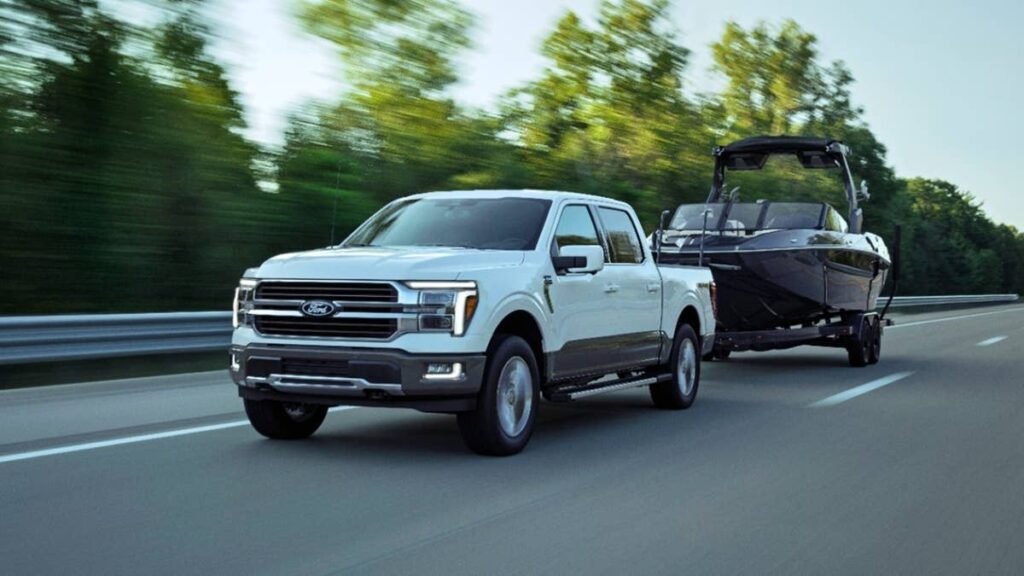
Ford
People Mover? or Workhorse?
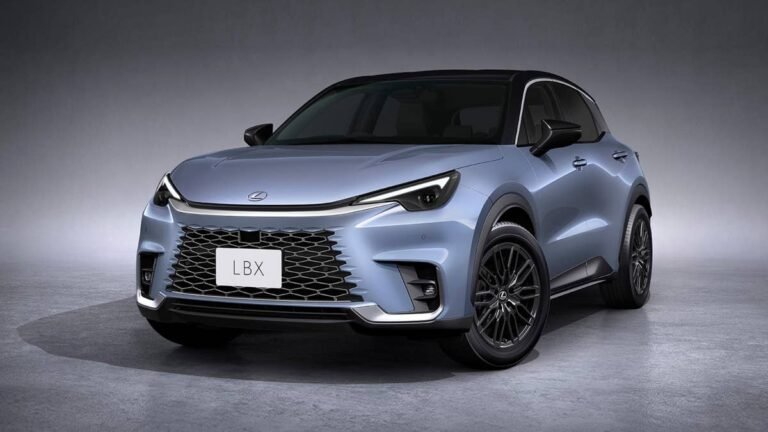
A new document has been published called the Safer Affordable Fuel-Efficient (SAFE) Vehicles Rule III for Model Years 2022 to 2031 Passenger Cars and Light Trucks. Basically, NHTSA wants to change the definition of light trucks from 2030 onward to cars because they primarily act as passenger vehicles, not workhorses.
According to regulators, although 68% of light-duty trucks technically meet what the government considers a light truck, most are built as passenger vehicles with added features to meet regulatory definitions, resulting in little added functionality.
The agency expects that by the time the new mandates kick in, the difference between real trucks and light trucks will be much more defined. Light-duty non-passenger trucks are expected to show real non-passenger capabilities but also display relevant “off-highway vehicle attributes such as approach angle and running clearance, or include design features that provide higher payload and towing abilities for transporting cargo.”
The agency is basically saying that any light-duty truck must show that it can actually function as intended. Under the new rules, the agency expects the current fleet mix of 70 percent light trucks and 30 percent passenger cars to be classified as 70 percent cars and 30 percent trucks.
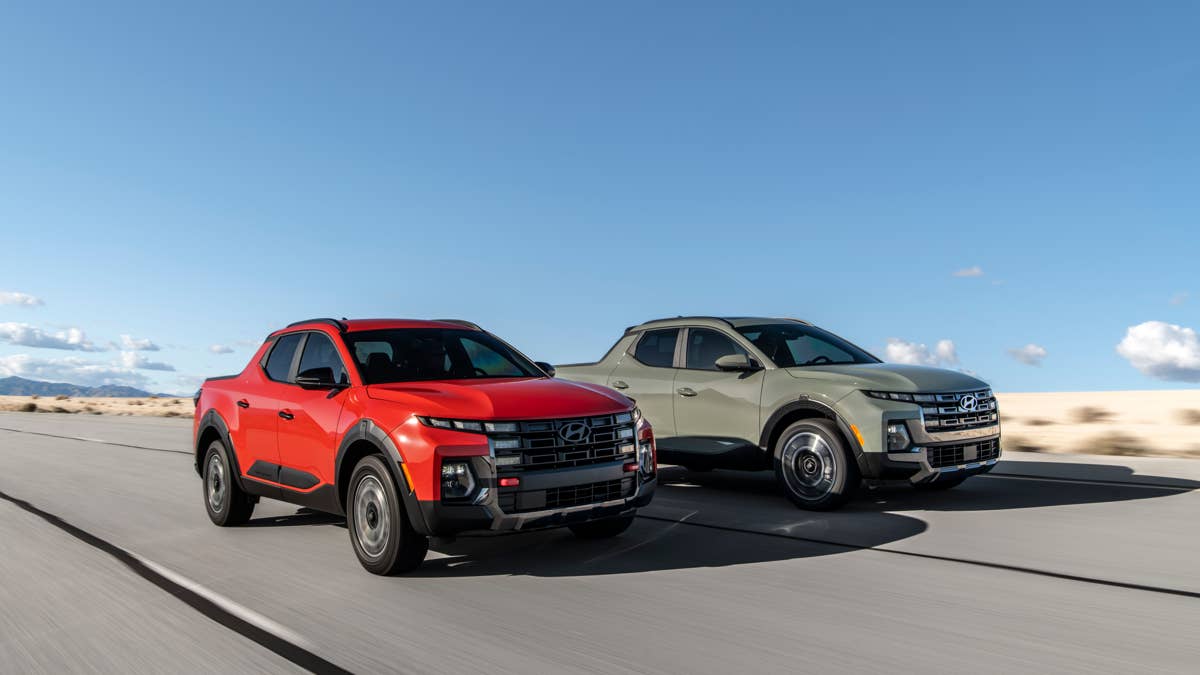
Hyundai
Production Impact
These new classification rules could also affect production. If a truck built today has lower fuel economy standards than a car, then it won’t have to change to meet the newly mandated lower standards. However, if the next administration reimposes a higher standard, these trucks will need significant work to meet it, which is costly and time-consuming.
One way automakers can bypass this rule is to import cars from other markets, because imports don’t need to meet the CAFE standards, unlike domestic vehicles. This could prompt brands to move production out of the U.S. if needed.
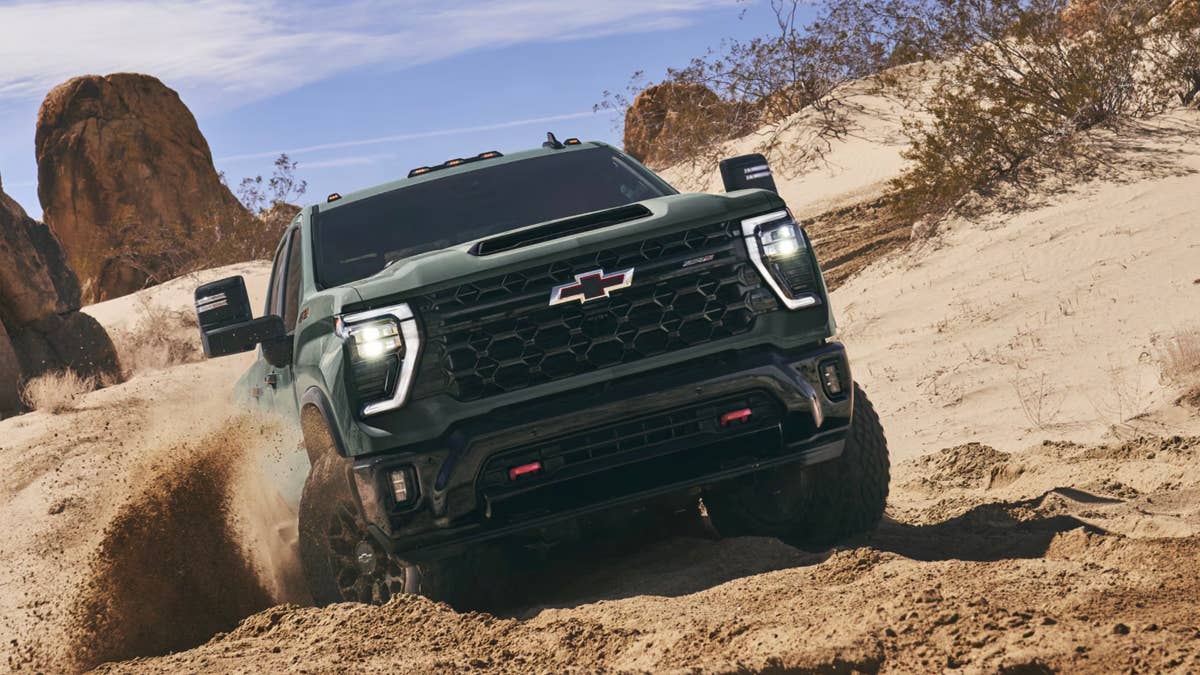
Chevrolet