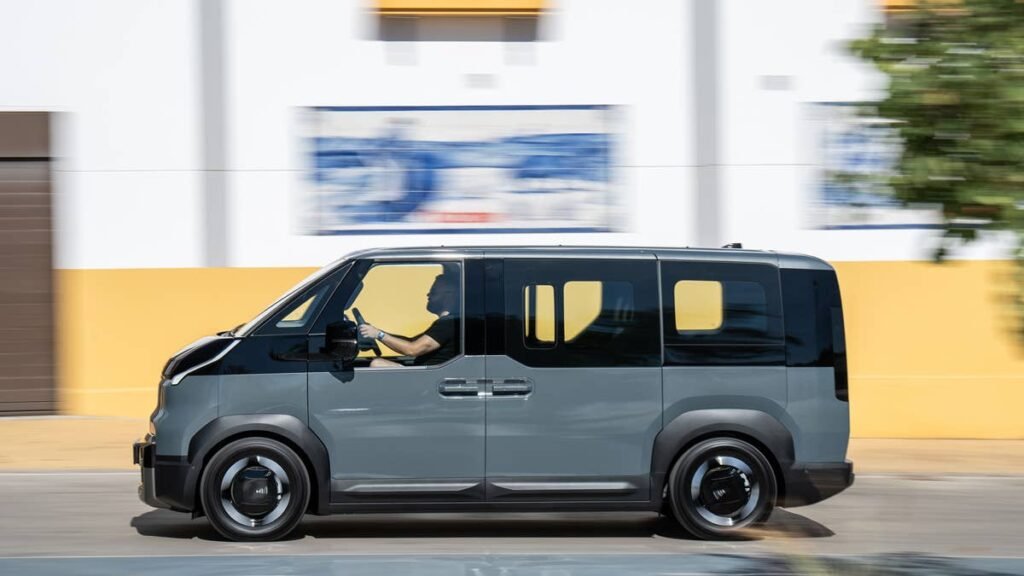
The electric commercial van market is rapidly expanding, but if you manage a fleet in the United States, you are currently watching the action from the sidelines. Kia’s new PV5, an all-electric, highly modular van, is making an impact on sales charts across Europe and South Korea. However, a combination of overwhelming early demand and tight global production allocations means Kia is struggling to keep pace, and American buyers are completely excluded from the distribution plan, even after being spotted testing in Michigan.
About Kia’s PV5
Kia Motors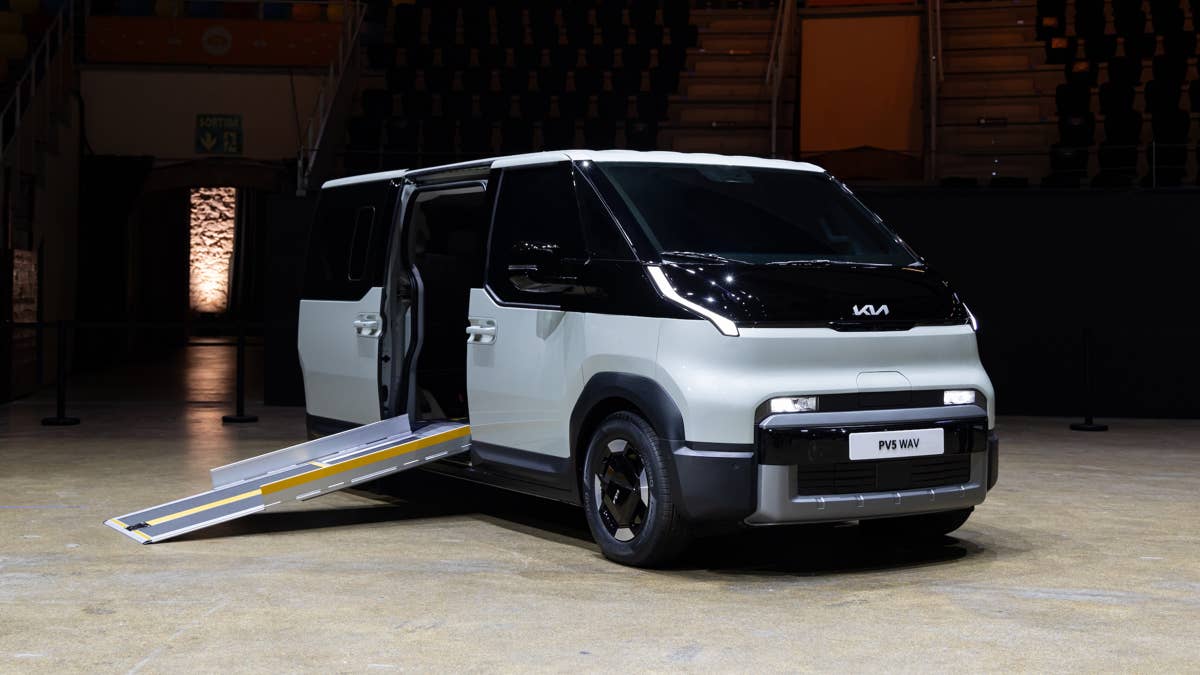
So, what exactly is the U.S. market missing? The PV5 is not just another retrofitted cargo box. It is a dedicated platform designed to swap body configurations. It can be built with a multi-seat passenger layout, or even with a high-roof to be a cargo hauler, on a standardized chassis. It undercuts established rivals like the Volkswagen ID. Buzz and Ford E-Transit, both of which are priced at over $50,000, with a starting price equivalent to roughly $39,200. Featuring both NCM and LFP battery options, the PV5 managed to capture 9% of the light commercial EV market in Europe within six months of its launch.
That runaway success is the direct cause of the current bottleneck. Kia is not facing a traditional parts shortage; this is a supply allocation crisis driven by rabid international demand. The automaker moved over 10,000 units of its record-breaking van in Europe alone since late 2025 and ranks as a top-selling EV in South Korea. The van is proving so popular that Kia is now actively rationing its export supply to new markets.
Not Enough Supply
Kia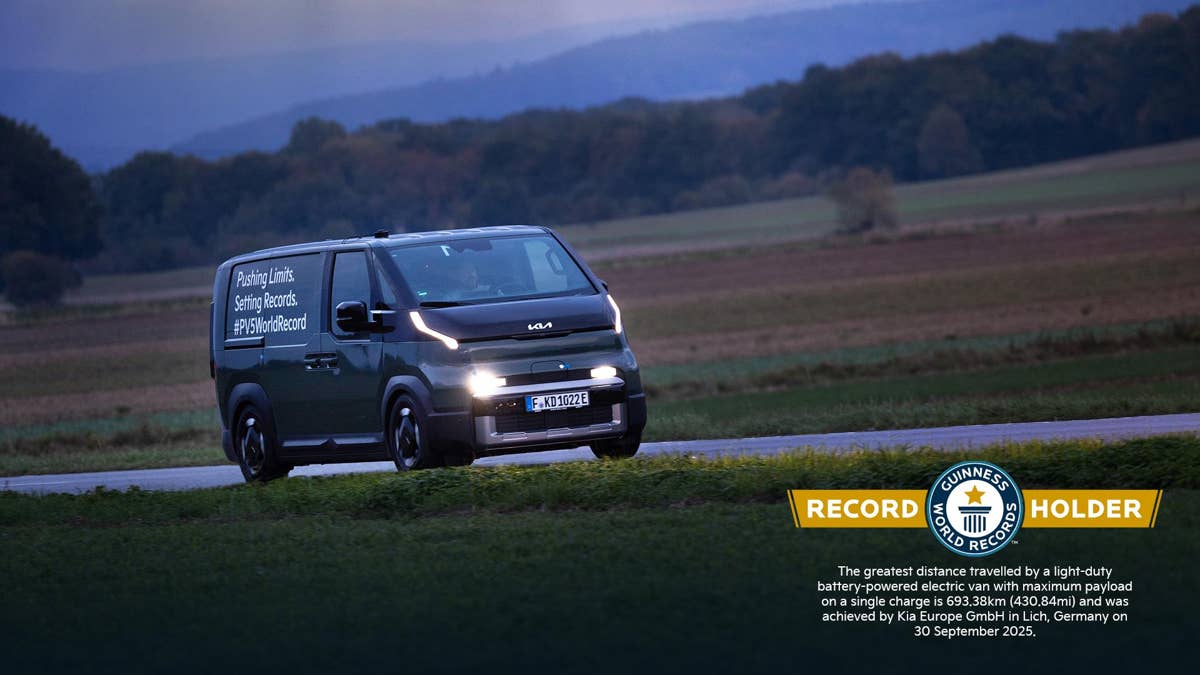
In regions just now receiving the PV5, local executives are publicly managing expectations. Kia Australia’s management recently admitted they are capped at a conservative target of just 50 units per month, despite heavy lobbying by dealers for more inventory. “Supply will be one of the things that we’ve got to juggle, because globally it’s a success,” noted Roland Rivero, Kia Australia’s product planning chief.
Where does that leave the American market? Empty-handed. While the PV5 is slated to hit Canada by late 2026—equipped with a North American Charging Standard (NACS) port—Kia has confirmed it currently has no plans to introduce the van to the U.S. Even if Kia wanted to bring it stateside, the ongoing global rationing proves they lack the manufacturing bandwidth to supply the massive American commercial sector with its new lineup of vans. For now, U.S. operators will have to settle for the expensive, traditional alternatives while the rest of the world fights over Kia’s limited inventory.