Complications With Modernity
Modern cars are complicated; we’re at that point where cars are loaded to the gills with all the creature comforts and technological toys that some might find excessive. This also poses another issue for automakers: with so many things to put into the platform of a vehicle, sometimes things aren’t put in the best place, leading to damage over time, which could have other unintended consequences or recalls.
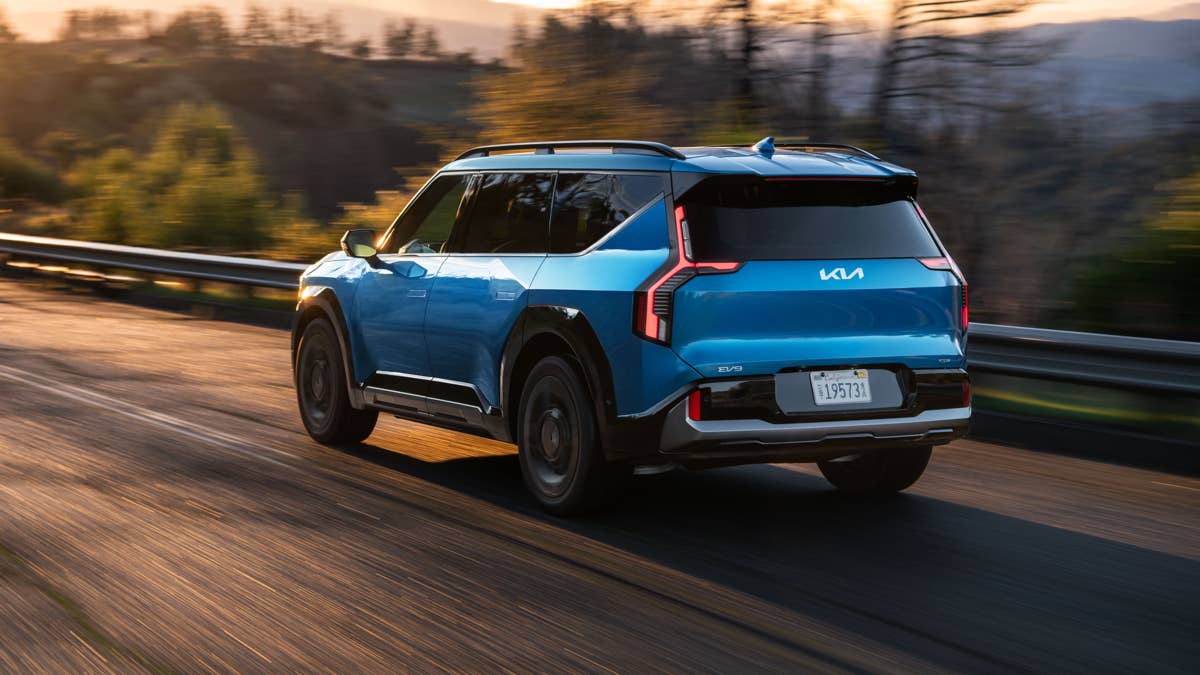
Kia’s EV9 serves as the brand’s flagship EV SUV and enjoys a healthy reputation globally. However, a recall has just been issued for a rather small issue that can have bigger consequences.
Kristen Brown
Airbag Suppression Issue
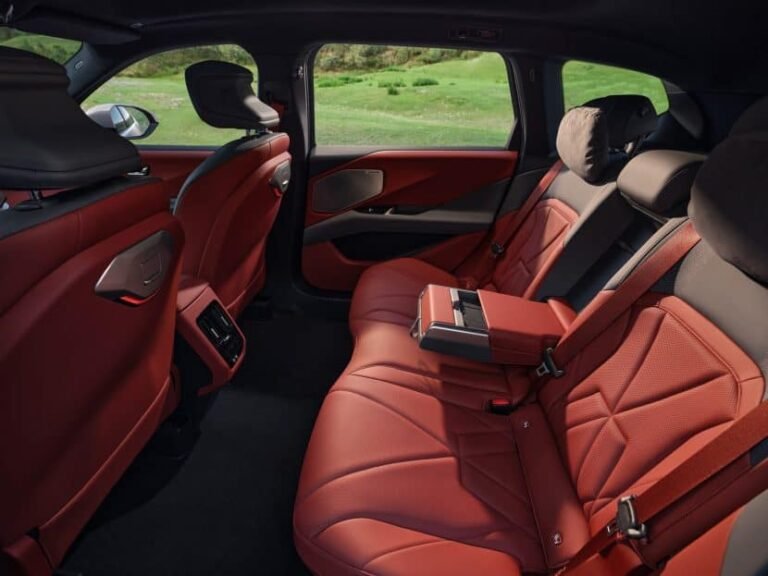
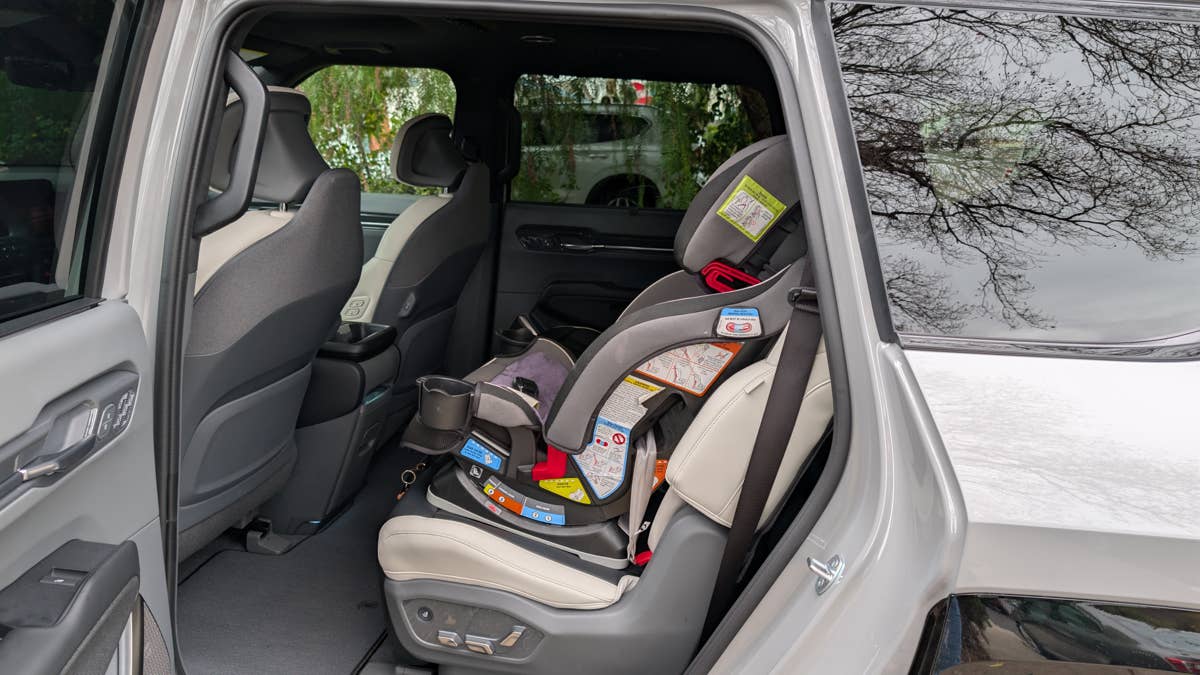
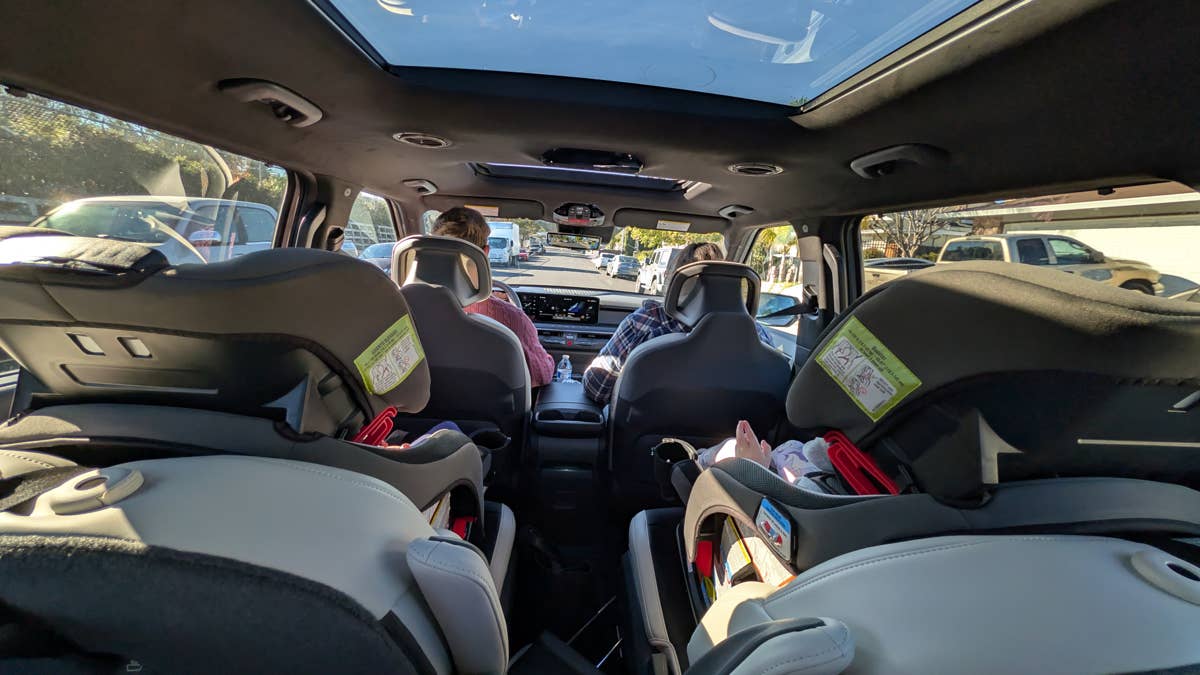
The National Highway Traffic Safety Administration (NHTSA) just released a safety recall report for the 2025-2026 Kia EV9. In the report, the issue pertains to the ODS mat bladder tube located under the front passenger seat cushion. Upon investigation, it was found that the bladder tube could get pinched if and when the seat is adjusted to the highest position. Due to the improper routing of the tube, repeated adjustment and pinching might damage the tube.
As a result of the damage, the system might not properly suppress the deployment of the front passenger airbag for a child that is strapped down in a car seat or Child Restraint System (CRS) in the event of a crash. As we all know, Airbags pose a danger to small children if deployed, so there’s a justifiable reason for the recall to be issued. It also means that the EV9 does not comply with the suppression requirement of FMVSS 208, §19.2.1.
Kristen Brown
Affected Units
There are two key indicators or symptoms that your Kia EV9 might have the issue: first, an airbag warning light may illuminate in the instrument cluster; and/or the seatbelt chime might go off even if the seatbelt is in proper use. The report indicates that the issue only affects EV9s built at the Kia Georgia plant from May 17, 2024 through May 13, 2026. It doesn’t affect EV9s built at the automaker’s South Korea facility.
In total, affected units amount to 21,290, with the NHTSA estimating that just 6% of them will have the defect itself.
Kia