Knowing Your Competition
You’d think heightened competition in the automotive industry centers on the carmakers themselves, but the truth is that the competition runs deeper. Each car is made of thousands of parts and components; not all are manufactured by the brand because of production costs. All automakers outsource parts, and the industry is becoming more competitive as Chinese manufacturers grow.
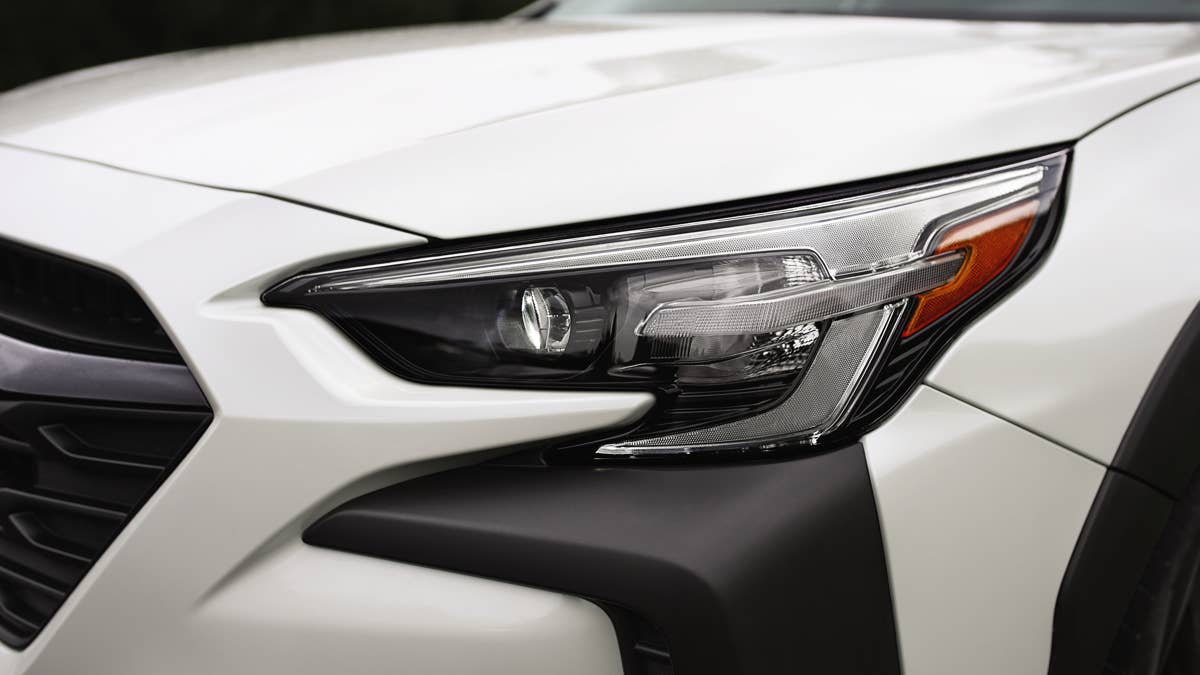
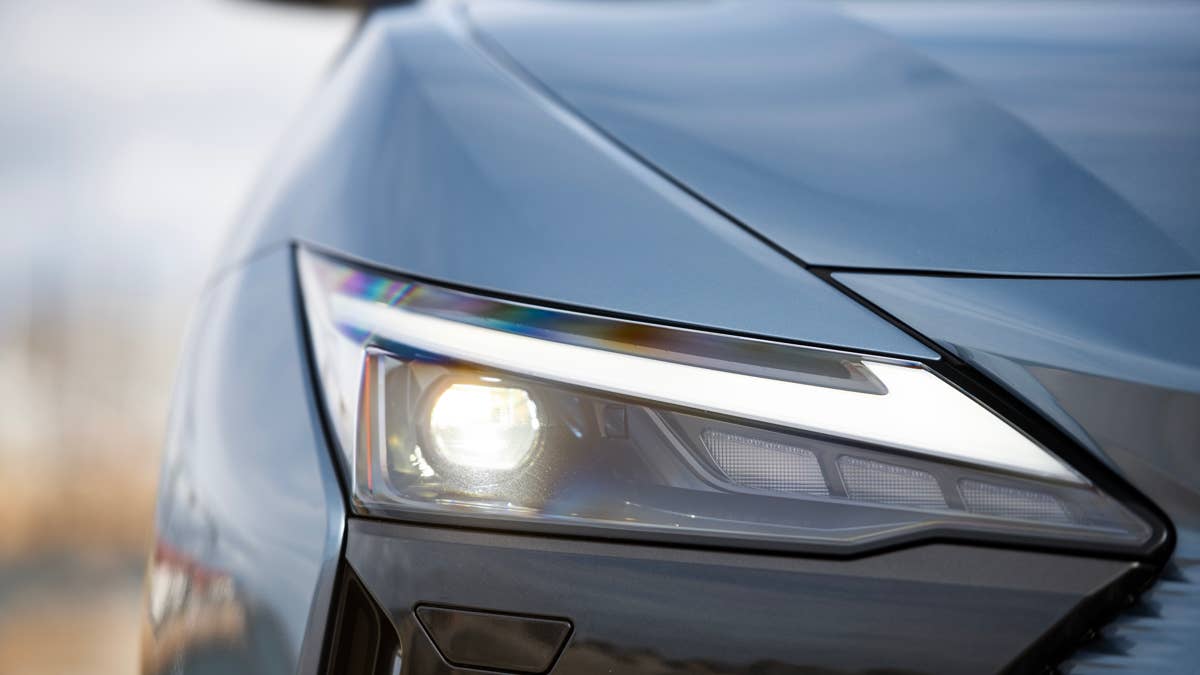
Koito is one of the world’s largest manufacturers of OEM headlights, making various illumination parts for major car brands. It recently got candid about how the growing Chinese manufacturing sector has affected its business and how it plans to stay in the fight.
Subaru
In-depth Analysis
Nikkei Asia published a report on how Koito has reassessed its business model and plans to stay competitive. Its main goal is to reduce production costs by 30% by fiscal year 2030. One way it’s doing so is by analyzing the competition in depth, to the point where Koito literally takes apart and tears up rival products and components to understand them better.
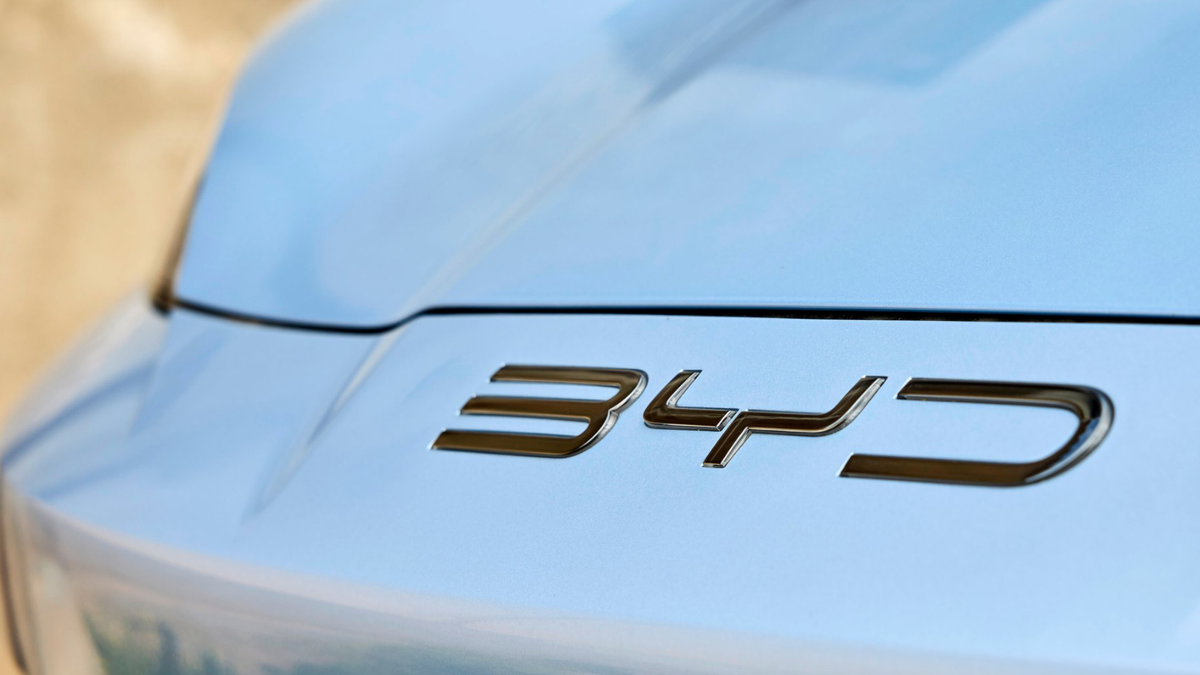
Inside Koito’s main manufacturing plant in Shizuoka, Central Japan, a room known as “the benchmark room” houses numerous headlights from around the world. According to the headlight manufacturer, they disassemble about 100 products a year in order to study the materials, structure, and number of lights. Another facility stores over 600 headlights for further analysis and study. Most of these headlights are from rivals like BYD and Aito, a Huawei-backed auto brand.
A Koito engineer was quoted as saying they don’t understand how these Chinese-made headlights achieve such low prices. He added that when they noticed the industry shifting at that pace, Koito’s chances of winning the price war were slipping away. Now, Koito acknowledges that the new industry benchmark is the prices set by the Chinese manufacturers.
BYD
The Plan
To address rising competition, beyond the analysis in the benchmark room, Koito is redesigning its offerings. Instead of making headlights per car, the company will now streamline the designs that used to vary per model. Lights that have different exterior designs will now share internal components. Furthermore, the manufacturer plans to source lower-cost plastics and other products from China after confirming quality and supply-chain reliability.
To boost production efficiency, the Shizuoka plant has also been modernized with AI-assisted systems. Robots with cameras transport parts across the facilities, while AI also helps design components that meet global regulations and standards.
Lexus