Hyundai’s Hot-Seller
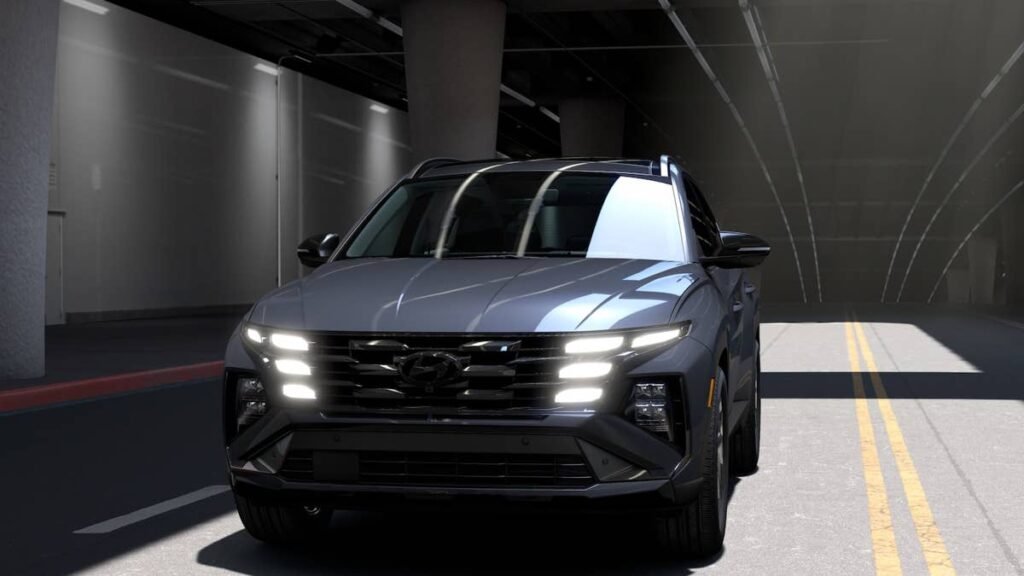
The Hyundai Tucson is the brand’s most dependable volume mover. Whether buyers want a conventional gas crossover, a hybrid, or a plug-in hybrid, the Tucson covers a lot of ground.
While a next-generation Tucson is already on the horizon, Hyundai doesn’t appear interested in letting the current Tucson quietly age into retirement just yet. Instead, Hyundai Motor America has decided to give the 2026 Tucson Hybrid lineup a bit more attention, expanding the range with new variants that either lean into styling or lower the barrier to entry for hybrid buyers.
Hyundai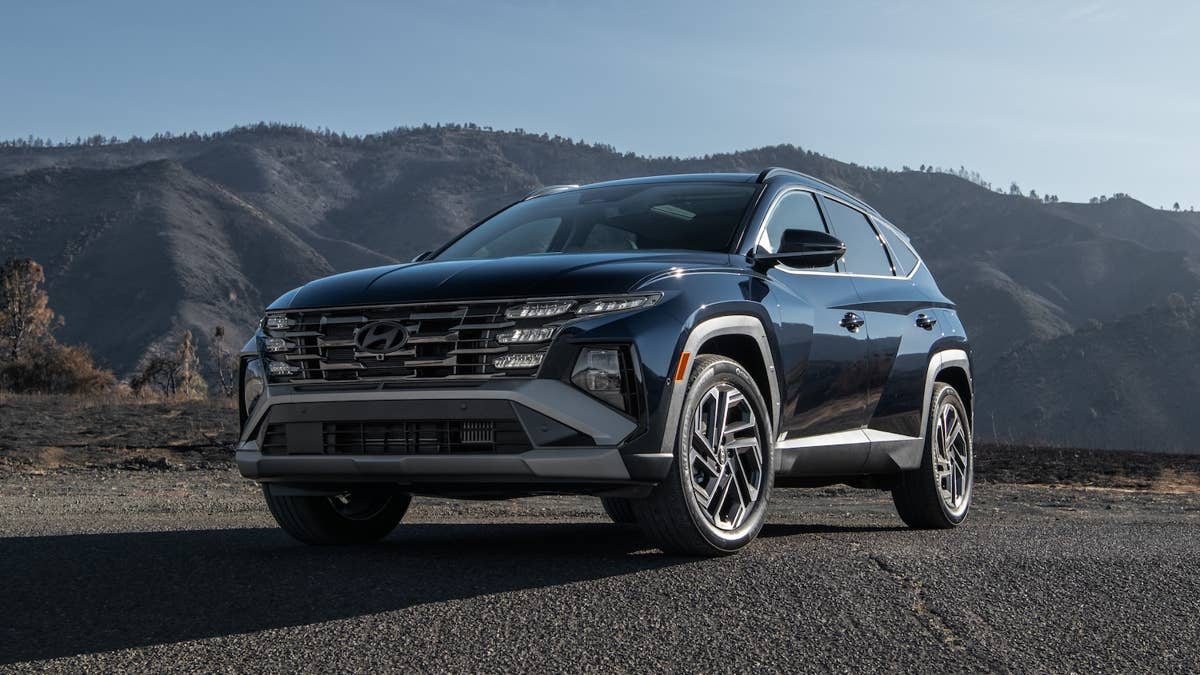
A Darker Look, More Affordable Hybrid Options
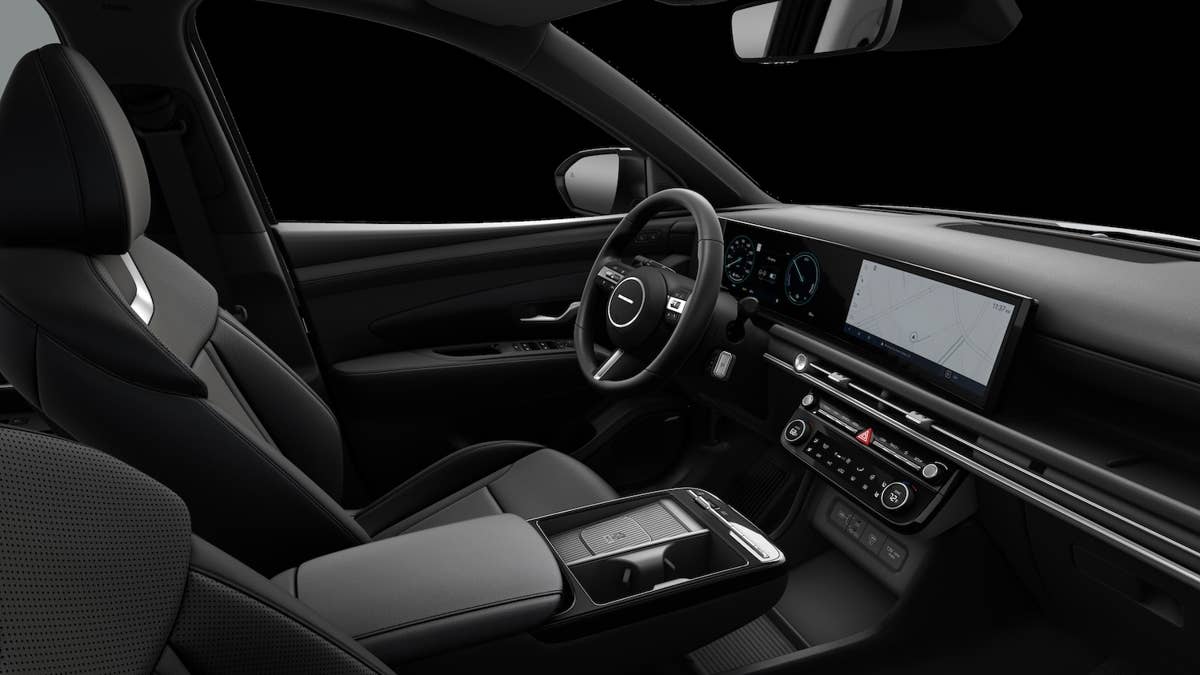
Leading the update is the new Tucson Hybrid Night AWD, a variant based on the already well-equipped Limited trim. The Night trim replaces the usual shiny accents with gloss-black details on the wheels, bumpers, mirrors, and window trim. You can pick from Ash Black, Creamy White Pearl, or Ecotronic Gray. Inside, there’s a black headliner to match the theme. Since it’s based on the Limited, you still get leather seats, navigation, premium audio, wireless charging, and a head-up display.
|
Variant |
Starting MSRP (w/o destination) |
|
2026 Tucson Hybrid SE FWD |
$30,950 |
|
2026 Tucson Hybrid SEL FWD |
$32,400 |
|
2026 Tucson Hybrid Night AWD |
$42,575 |
Hyundai is also widening the Tucson Hybrid’s reach with new front-wheel-drive SE and SEL variants, creating lower-priced entry points into the electrified lineup.
The move gives Hyundai more room to compete with buyers who want hybrid efficiency without immediately stepping into pricier all-wheel-drive variants.
Hyundai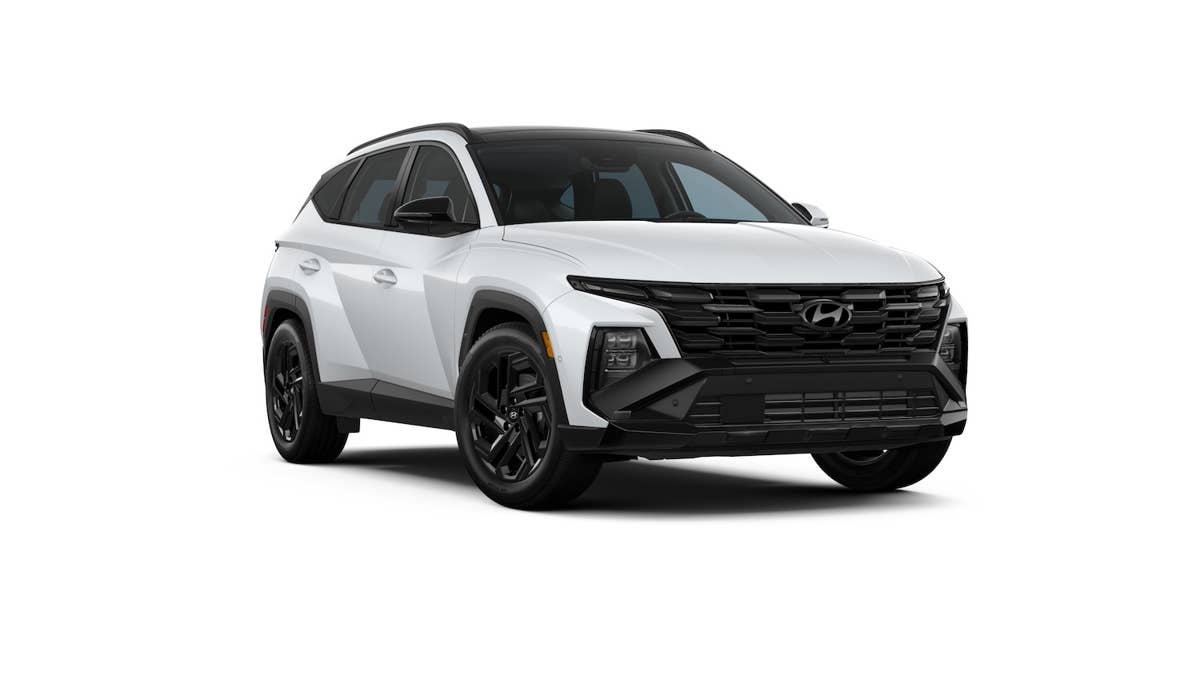
What Comes After This Tucson
It’s an interesting time for these updates, since the next Tucson is already taking shape. The new model, expected for 2027, is rumored to go for a boxier, more upright look inspired by the Santa Fe and Palisade. Spy photos show chunkier wheel arches and flatter panels, while renderings hint at Hyundai’s new ‘Art of Steel’ design replacing the current sharp lines.
Inside, the next Tucson is expected to get a much more digital cabin, with a big central touchscreen, a digital gauge cluster, and Hyundai’s Android-based Pleos Connect system. Physical buttons should still be there for important controls, which is good news if you’re not a fan of all-touchscreen setups. Hybrid and plug-in hybrid options are likely to stick around, with rumors of better EV range for the PHEV and maybe even a sportier hybrid version later on.
For now, though, Hyundai seems content to give the current Tucson Hybrid a few fresh reasons to stay relevant while its successor slowly approaches.
Hyundai