Hyundai Motor Group is continuing its efforts to expand stateside vehicle assembly with a major new capital allocation targeted at hybrid and extended-range electric vehicles. As consumer demand in North America recalibrates toward flexible powertrains, the South Korean automaker is adjusting its localized manufacturing footprint to keep pace. The investment underscores a broader commitment to building high-volume electrified models directly within the United States.
This new commitment builds upon previous U.S. investments aimed at broadening domestic production capacity and tech development. By expanding capabilities at its existing facilities, Hyundai aims to streamline supply lines, adapt to changing federal trade incentives, and ensure a steady output of multi-powertrain vehicles tailored specifically to American driving habits.
Hyundai
Inside the $500M Alabama Upgrade
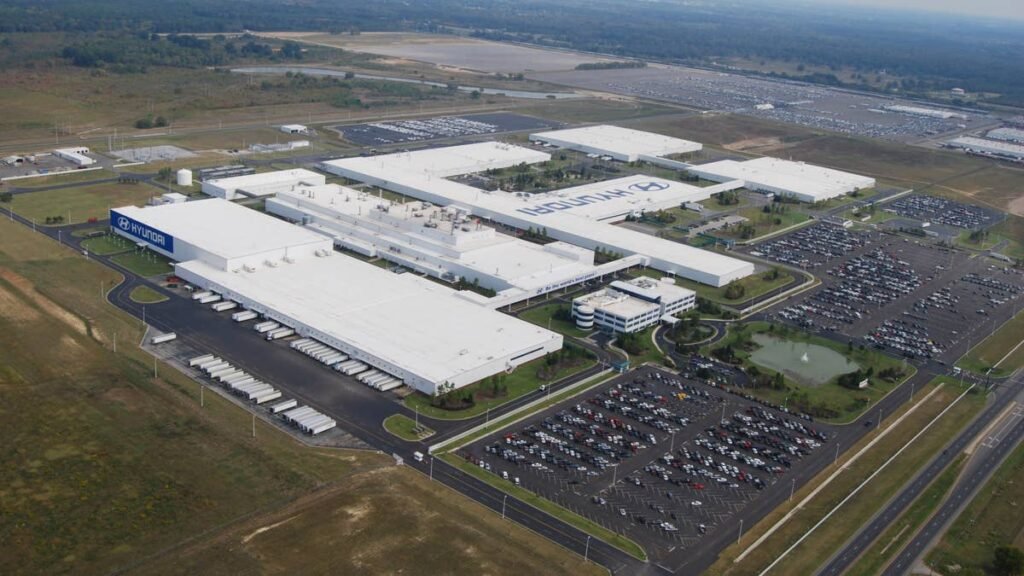
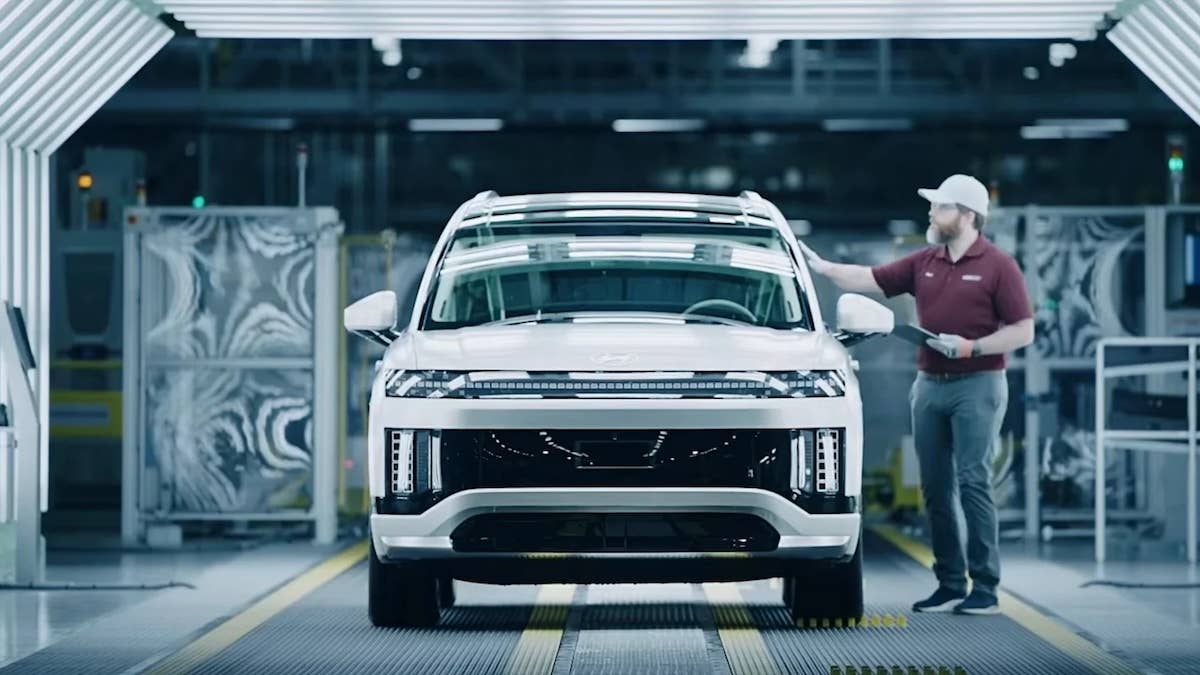
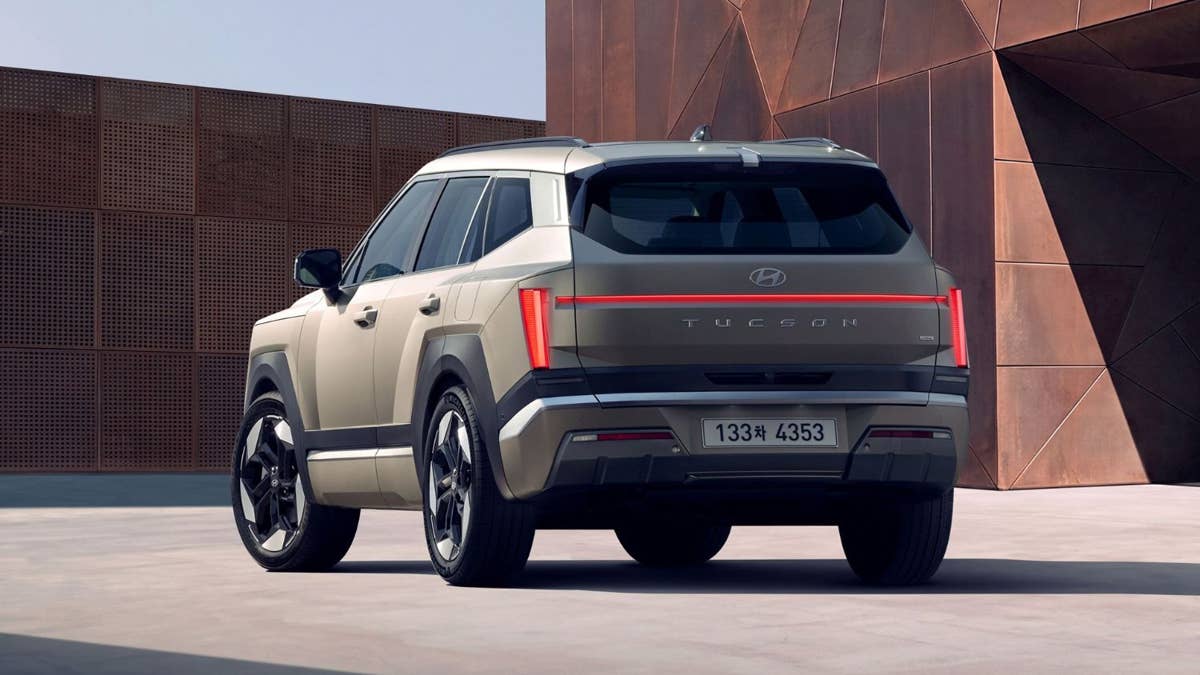
Speaking at the 2026 Automotive News Congress, Jose Muñoz, CEO of Hyundai Motor Co., formally announced the half-billion-dollar funding initiative, as reported by Automotive News. The $500 million investment will directly upgrade the Hyundai Motor Manufacturing Alabama facility in Montgomery. The capital will fund essential retooling required to assemble the popular Tucson hybrid alongside a new series of internal combustion engines.
Beyond standard hybrid technology, a primary focus of the facility expansion involves Extended Range Electric Vehicle (EREV) powertrains. EREV systems utilize a combustion engine solely to recharge an onboard battery while an electric motor drives the wheels, providing electric range alongside long-distance flexibility. The technology is expected to feature in several upcoming vehicles, including a planned truck slated for domestic assembly and international distribution.
This localized expansion aligns directly with the brand’s 2030 strategy, which calls for an aggressive portfolio expansion and increased U.S. assembly. Localizing EREV engine manufacturing in Alabama allows Hyundai to secure crucial component supply chains while shielding its regional operations from global market volatility and import tariffs.
Hyundai
The Strategic Edge of EREVs
From an industry perspective, Hyundai’s aggressive focus on North American manufacturing is a brilliant operational strategy. Establishing a self-contained manufacturing ecosystem in North America insulates the automaker from volatile import tariffs, foreign supply chain bottlenecks, and sudden geopolitical shifts. Stabilizing these overhead costs is ultimately what gives automakers the financial breathing room to keep showroom pricing accessible for the average consumer.
Assembling vehicles like the Tucson hybrid and new EREV powertrains in Alabama gives Hyundai a major edge over competitors who still rely heavily on foreign assembly lines. By embedding itself directly into the fabric of American manufacturing, it is establishing deep operational roots that will define its market strength and hopefully alleviate the industry’s ongoing affordability crisis.
Hyundai