The Factory Is Next
Hyundai Motor Group has become such a prominent player in the automotive industry that it now ranks alongside Toyota and Volkswagen as one of the world’s three largest automakers by sales. But beyond developing competitive vehicles, with plans to introduce more than 100 new and updated models by 2030, the Korean marque is also transforming where these vehicles come to life: the factory.
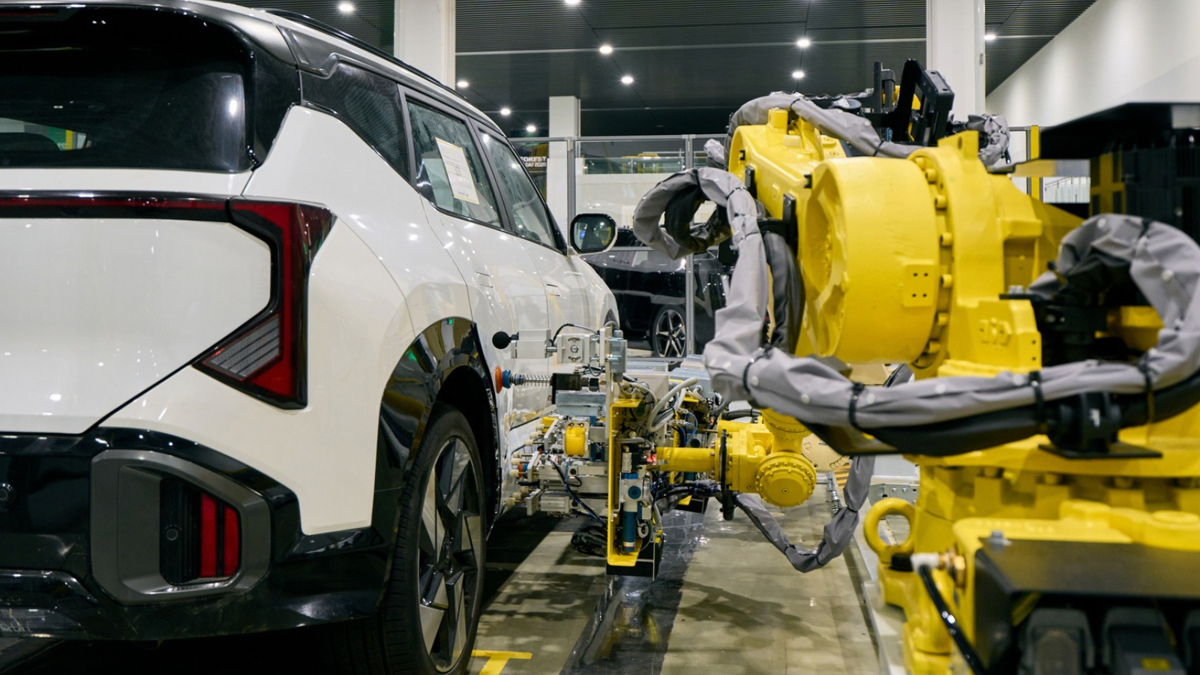
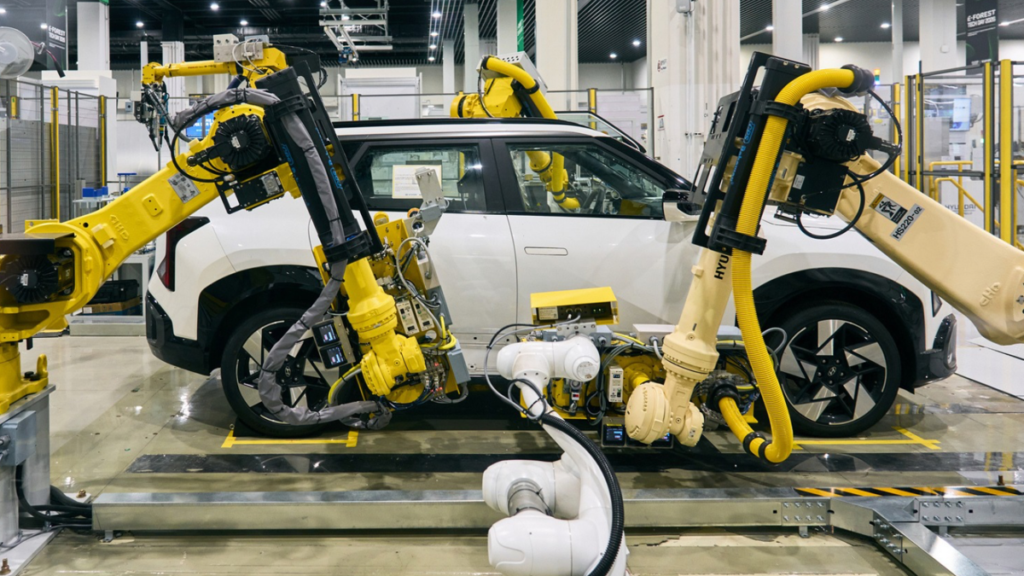
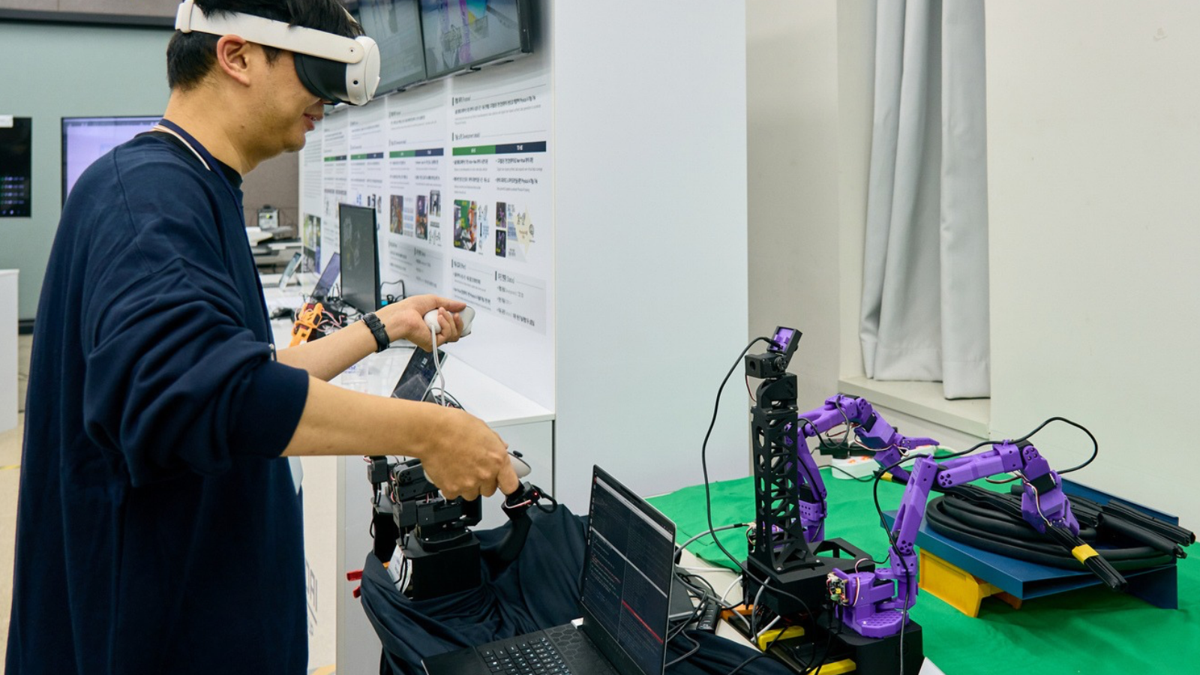
So much so that Hyundai and Kia are introducing new technologies as part of their transition to software-defined factories (SDFs). These use advanced software, AI, and automation to monitor, manage, and optimize manufacturing processes in real time, making production more efficient, flexible, and less reliant on human intervention. About 200 manufacturing technologies supporting that shift are being showcased at this year’s E-Forest Tech Day in South Korea.
Robots With a Bigger Role
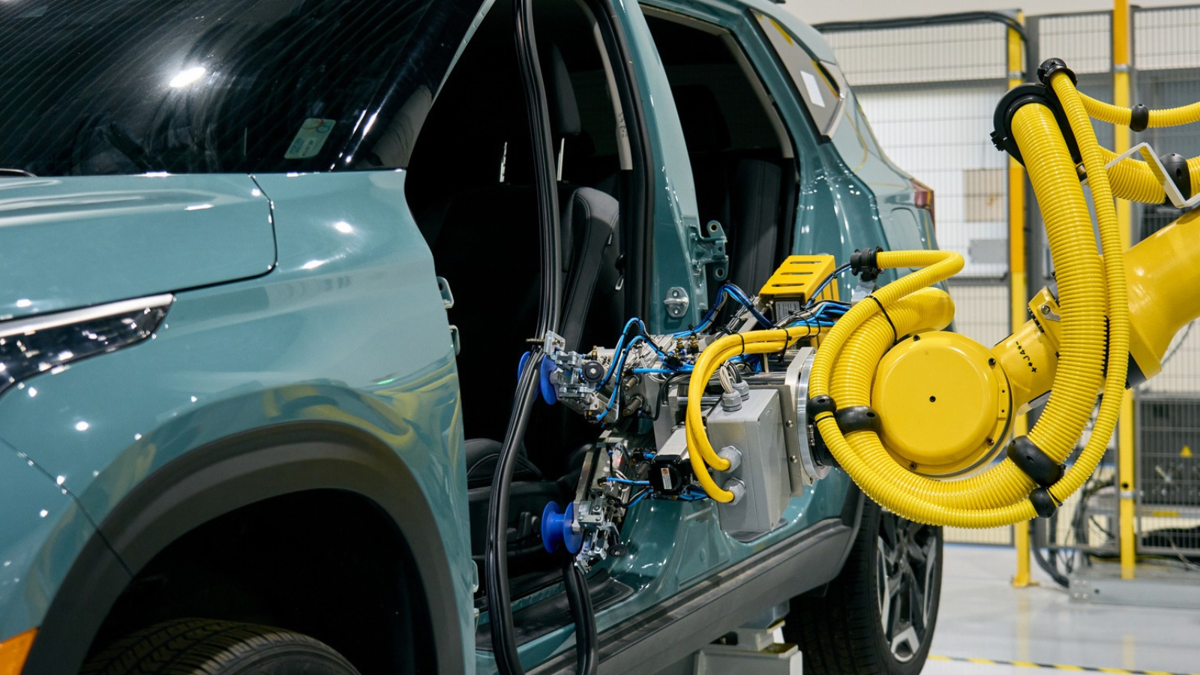
E-Forest is the smart factory brand of Hyundai and Kia. Some of the technologies showcased include digital twins, AI agents, and automated vehicle inspections. Digital twins are virtual replicas of physical factories that allow manufacturers to simulate production processes, identify problems, and test solutions before implementing them in the real world. To advance these technologies, Hyundai has partnered with NVIDIA, an American tech giant that has also worked with automakers like Volvo to develop more advanced automated driving systems.
Other initiatives supporting SDFs include improving energy efficiency through smarter energy-management technologies and advanced robotics. The latter is supported by projects like Atlas, a humanoid robot similar to Tesla’s Optimus, that’s expected to begin working in factories in 2028. Kia also previously revealed that it uses Apple Vision Pro to speed up its vehicle design process.
According to the press release, these AI-driven, automated systems are intended for deployment at plants in South Korea and overseas. That could eventually include Hyundai’s two U.S. factories in Alabama and Georgia. Given the efficiency advantages these systems promise, they could support the expansion of the automaker’s U.S. manufacturing operations, including plans to boost annual production capacity at its Georgia Metaplant to 500,000 vehicles by 2028, up from the original 300,000.
The Factory Gets a Brain
While these SDF systems can provide several benefits, they also come with potential hurdles, including high implementation costs from upgrading factory equipment and cybersecurity risks. For instance, Jaguar Land Rover suffered a major production disruption following a cyberattack last year, which was described as the most economically damaging cyberattack in U.K. history. There are also concerns about AI and robots like Atlas taking over certain jobs, potentially causing what Hyundai’s labor union calls “employment shocks.”
So far, Hyundai and Kia are still working toward their vision of SDFs, with the ongoing event providing an opportunity to share new technologies and collaborate with industry partners.