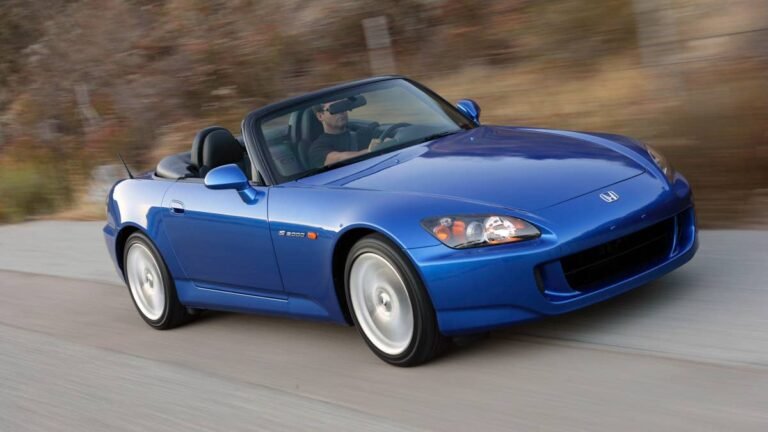
It’s not often that an automaker issues a recall for a vehicle that’s long out of production, but Honda has done just that—and for one of its most beloved sports cars, mind you.
The Japanese automaker has recalled the S2000 roadster, a model it last produced at the Suzuka plant in Japan in August 2009. So what could have triggered a recall for a car that hasn’t been in production for more than 17 years?
Defective Fuel Flange Joints May Lead to a Fuel Leak and Engine Stall
Honda
Well, as you would expect, it’s quite a serious matter. According to the recall notice posted by NHTSA on November 12, the reason for the recall is that a fuel connection may separate and leak fuel.
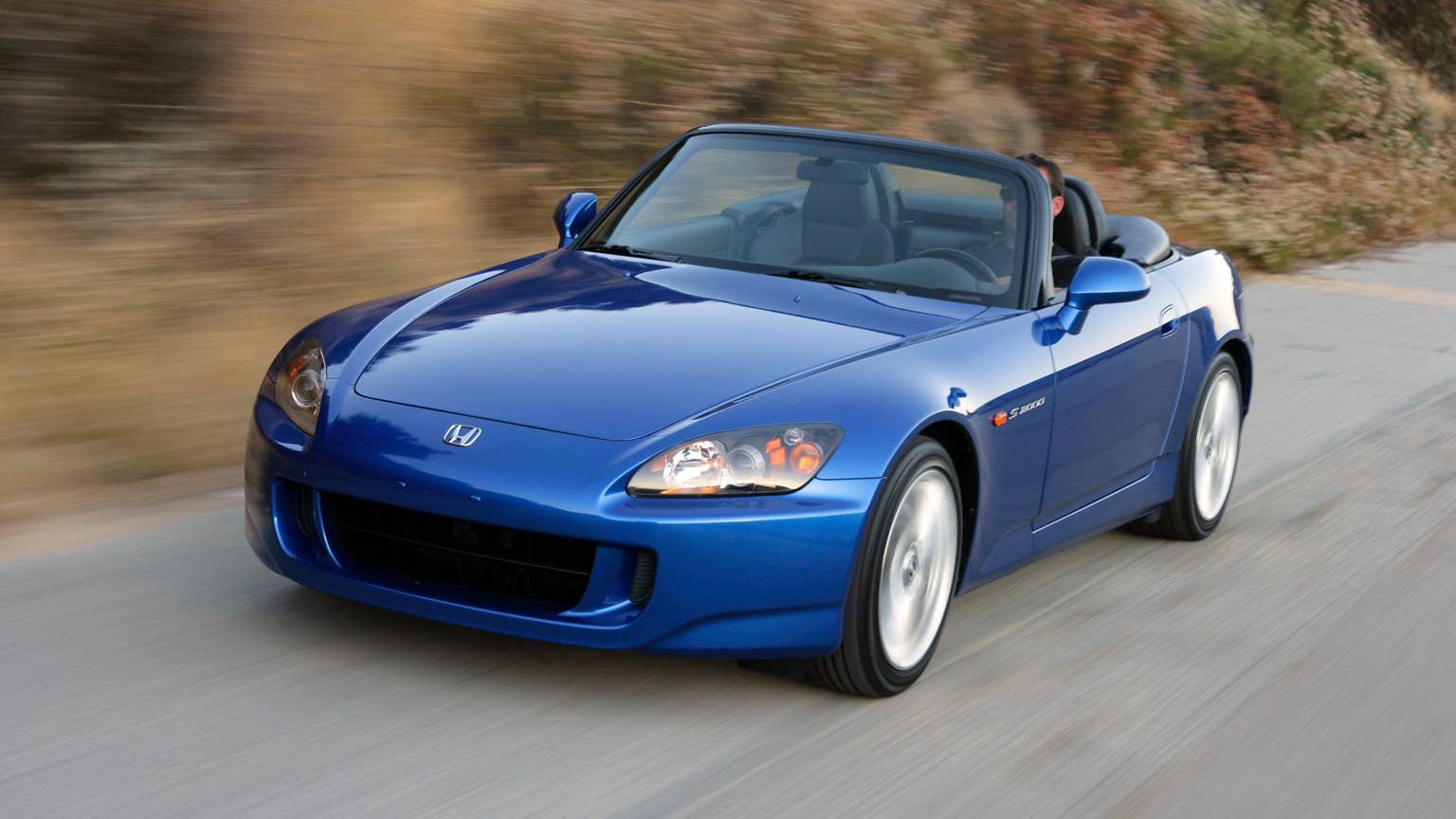
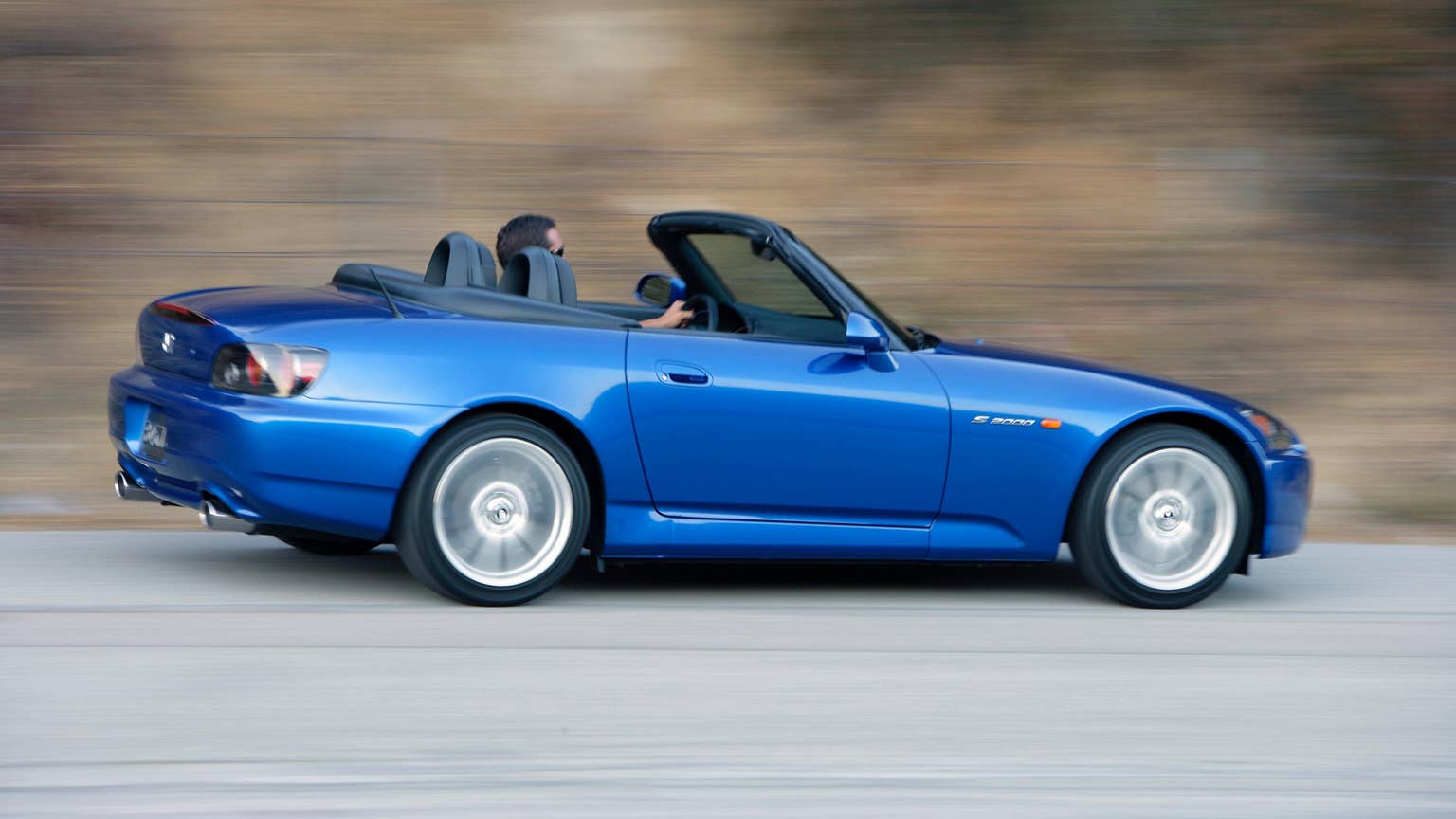
Honda’s U.S. division estimates that around 16,387 units from the facelifted S2000 AP2 series are potentially affected by the defect. The vehicles belong to the 2004-2005 model years and were built between April 14, 2003 and September 21, 2005. Mind you, the automaker’s assessment is that only 1% of the recalled vehicles actually have the defect.
The fuel flange joint assembly may have been improperly manufactured, allowing the fuel line connection to loosen and separate and possibly causing a fuel leak and engine stall.
“If the fuel flange joint separates, fuel may leak and fuel pressure may decrease, potentially causing a loss of acceleration, engine stalling, or an inability to restart the engine. An engine stall while driving may increase the risk of a crash or injury,” the recall notice adds.
The Problem Was Discovered by a Japanese Owner a Year Ago
Honda
Honda says that on affected vehicles, warnings may include engine misfire or stalling, reduced or lost acceleration response, fuel odor or leakage, and failure to restart.
According to the safety recall report, the problem was first brought to Honda’s attention a year ago, when a customer in Japan experienced symptoms related to the issue before replacing the fuel flange joint assembly.
Honda started investigating with the supplier, conducted tests with a used vehicle and determined that a safety-related defect existed, which led to it conducting a recall.
The fix will consist of Honda dealers inspecting and replacing the fuel flange joint assembly, as necessary. The remedy fuel flange joint assembly includes the required brazing material and is brazed at the joint-to-flange connection, Honda notes. Needless to say, the repair will be free of charge.
Whatever It Takes to Keep As Many S2000s on the Road As Possible
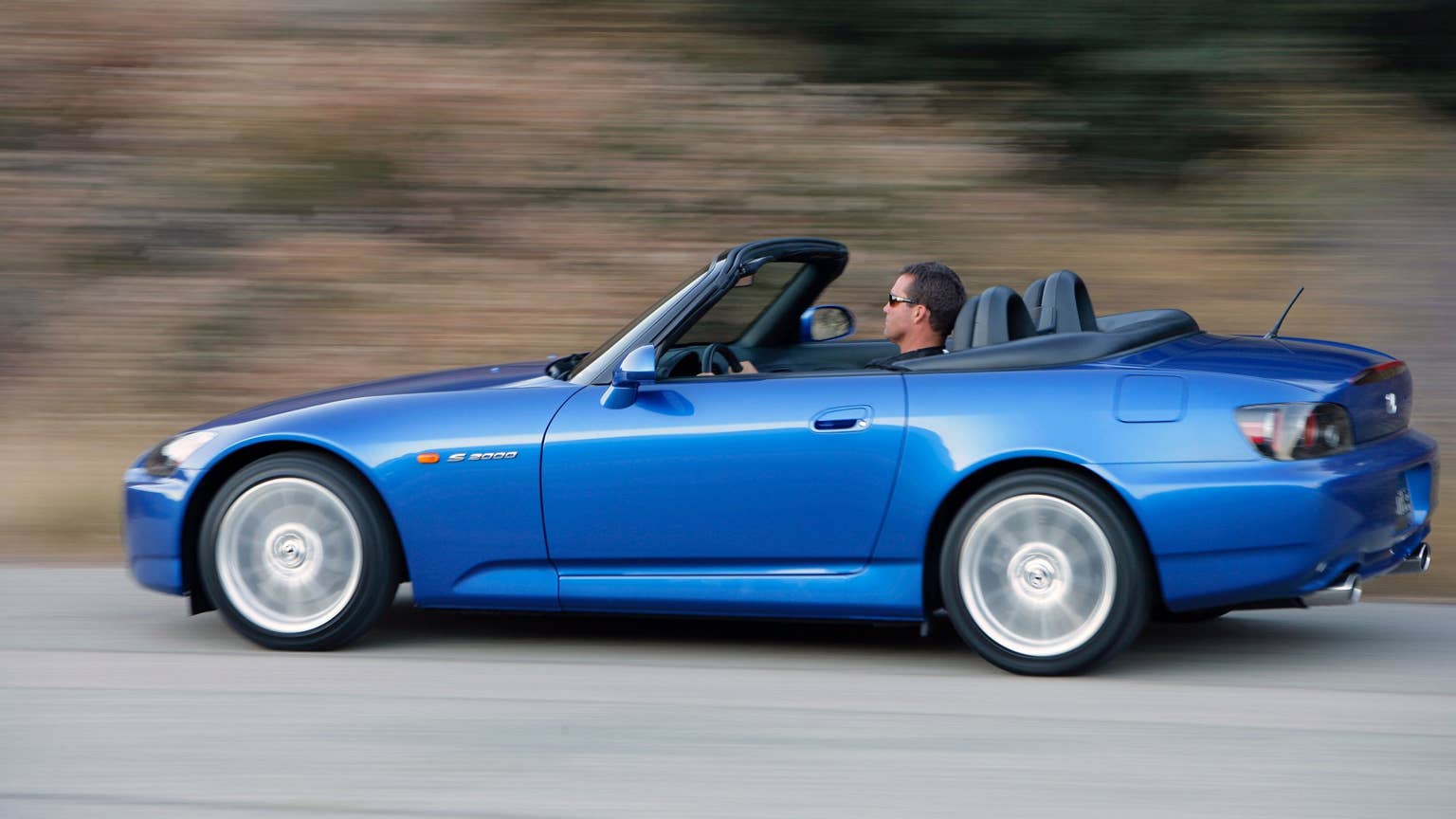
The 2004-2005 Honda S2000 is powered by the 2.2-liter F22C1 naturally aspirated four-cylinder engine, which in its prime delivered 240 horsepower at 7,800 rpm and 162 pound-feet of torque at 6,500 rpm.
In combination with the six-speed manual gearbox with torque-sensing limited slip differential and the rear-wheel-drive setup, the S2000 AP2 sprinted from zero to 60 mph in about 5.5 seconds and hit a top speed of around 150 mph.
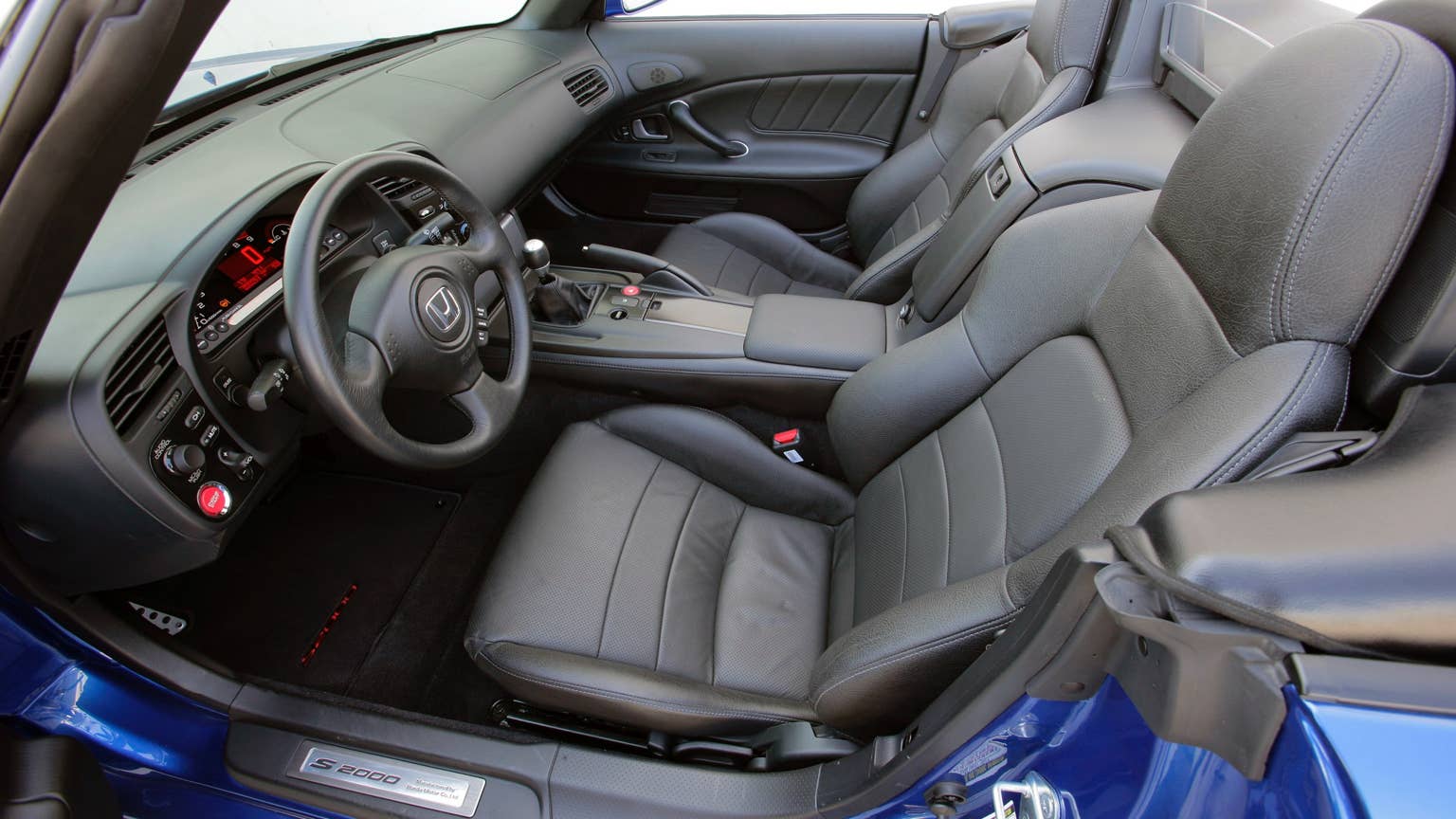
Performance numbers aside, the S2000 earned its place in the hearts of Honda enthusiasts worldwide thanks to its analog character defined by the high-revving naturally aspirated engine, the short-throw six-speed manual transmission, rear-wheel drive, and 50:50 weight distribution made possible by the front-mid engine placement.
Honda