High-profile engine failures can follow automakers around for years and badly damage their reputations. From Hyundai/Kia’s Theta II engine saga to Ford’s EcoBoost debacle, these automakers are still dealing with the aftermath of fundamentally flawed powertrains. Even Toyota is struggling with engine failures linked to the Tundra’s twin-turbocharged V6. Honda, one of several Japanese brands renowned for dependability, wants to avoid the same fate. Its top executives have now spoken out about measures being put in place to ensure reliability and address problems quickly, with specific lessons being learned from what Toyota is currently facing.
What Honda Learned From Toyota’s Troubles
ChatGPT
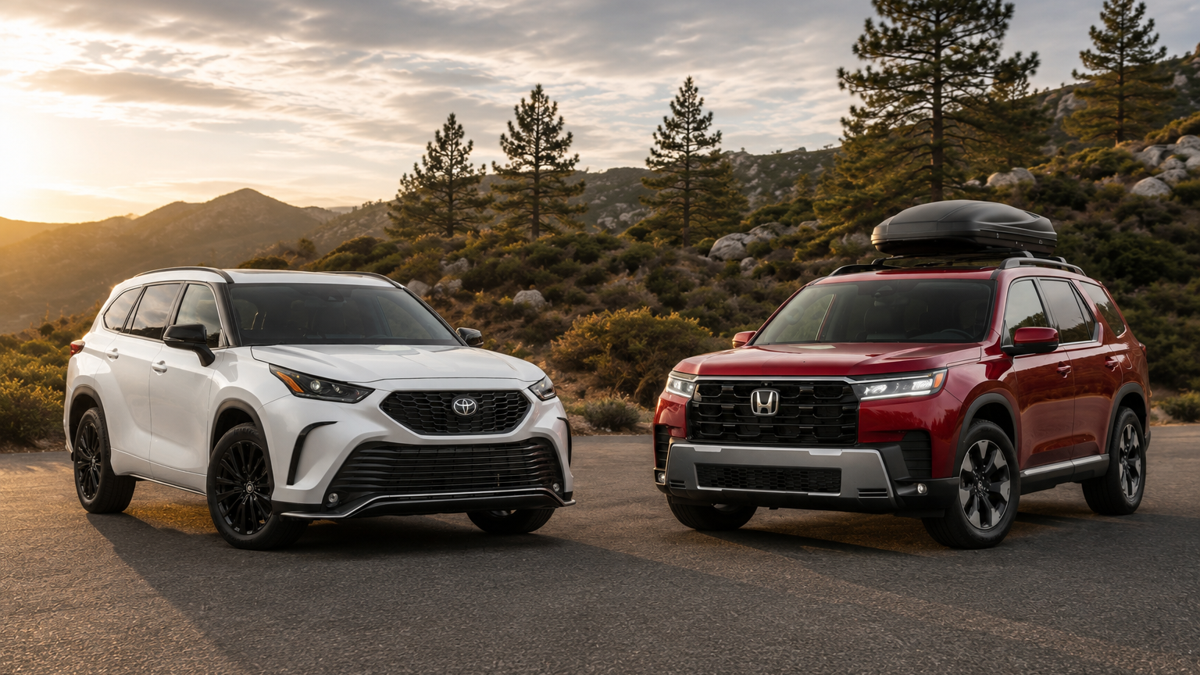
Honda wants to do whatever it can to maintain the high reliability standards its loyal customers expect. In an interview with The Drive, a top exec was asked about whether the company learned anything from Toyota’s ongoing battle with V6 engine failures.
“Of course. You have to prevent quality issues from happening, but once they happen, how quickly can you recover? That’s the very important thing,” said Executive Vice President of Honda Motor, Noriya Kaihara. “If you leave a customer with a bad-quality vehicle and, on top of that, also a delay with the countermeasure, that will cause really bad damage. Sometimes you just have to take quick action. Even when you make sure nothing is wrong and everything is okay, something can still happen, and a problem arises once it hits the market. Quick action!”
The V6 found in some Tundra pickups can fail due to machining debris left in the engine during production. Toyota was forced to recall thousands of trucks and even advised mechanics to hit engines with a hammer as a quick fix. But the issue is still a major inconvenience for many owners, as one Tundra owner’s replacement engine failed again.
Related: Toyota Tundra’s Replacement V6 Engine Failed Too, Despite Looking Nearly New
How Honda’s Quality Control Is Changing
Honda
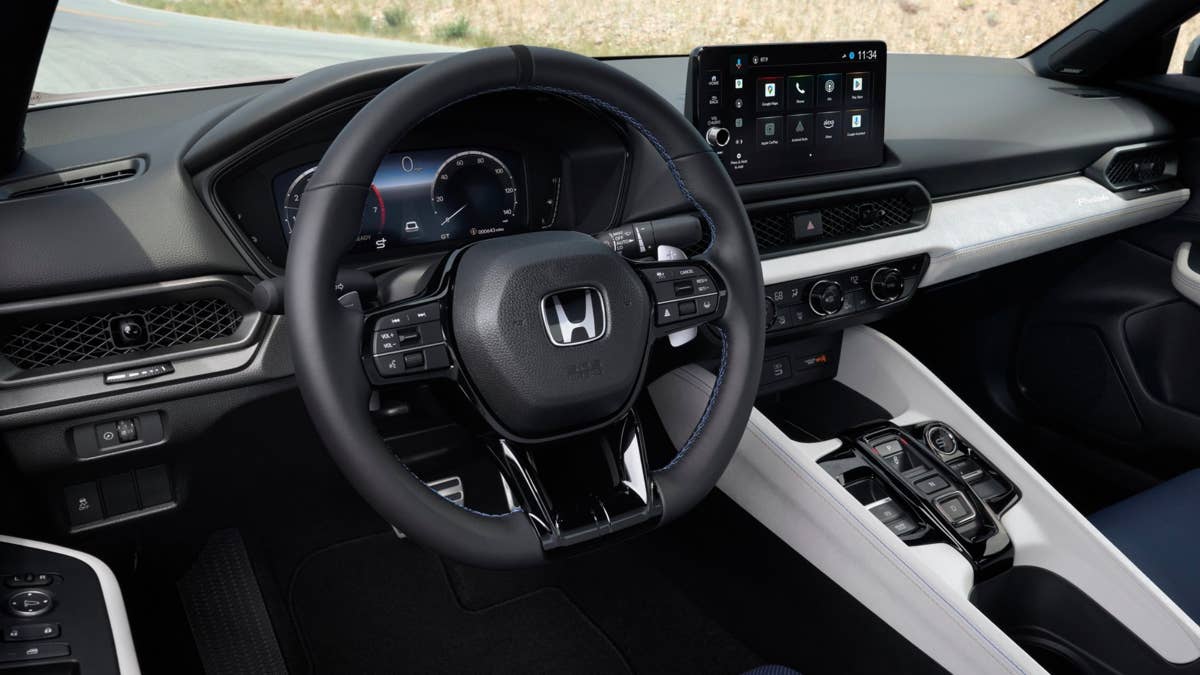
Honda’s quality control measures are evolving to match increasingly advanced vehicle technologies. CEO of American Honda Motor, Eiji Fujimura, pointed out the need to keep up with rapid tech development from Chinese automakers, but not at the expense of traditional Honda expectations of quality.
“Technological changes, especially in terms of software, are happening very quickly today,” said Fujimura. “Of course, we need to compete with [our rivals] and China and India in terms of software, ADAS, etc. But in order to compete with them, we first need to think, ‘Who is Honda?’
“We have very good trust from our clients and very good customer loyalty, and we can’t sacrifice that trust for [production] speed. We will not compete with them just on speed—we need to use our traditions and our thinking.”
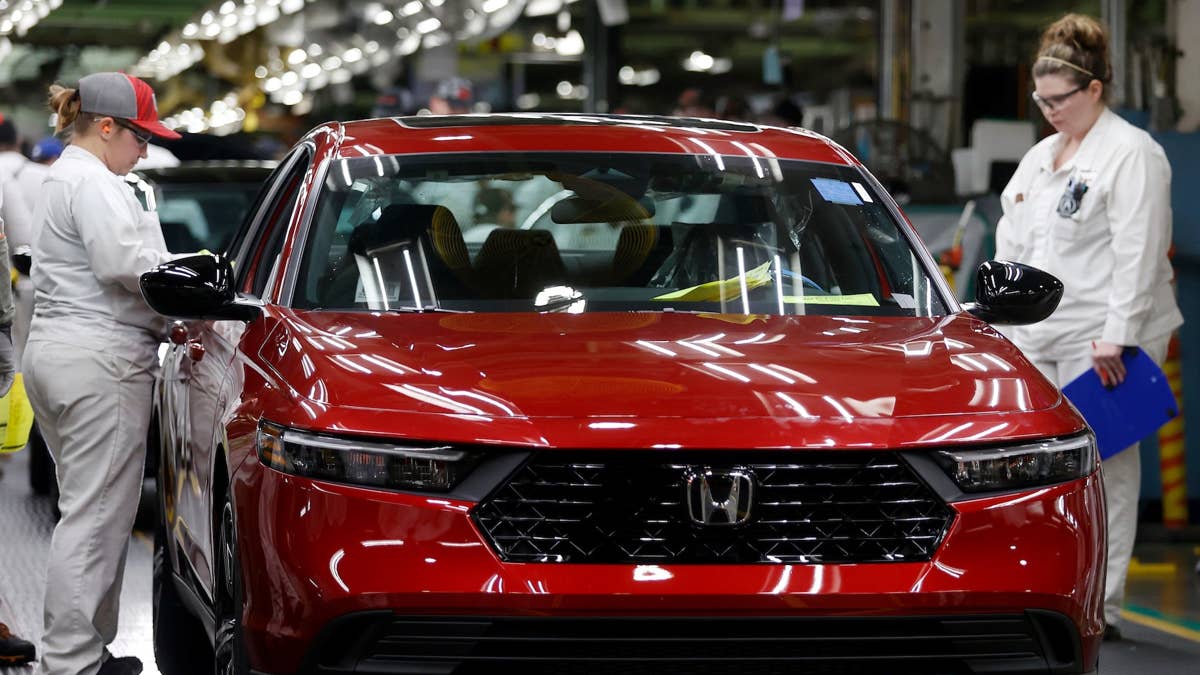
For Honda, introducing new features or systems means evaluating that piece of technology for any flaws at every step.
Honda
“You need good imagination to develop something new, but when that new system or model goes into the market, there will be risks—so we have to ask: what are the potential issues for those new systems in their environment?” explained Kaihara. “That is key. Right now, we look at the whole process, including development. We have to make sure each process ensures that the cars or components are okay from a quality point of view. This means nothing should move to the next step without confirming the previous step’s quality. That’s our quality control system.”
“Our quality department is completely separate from other departments. That means quality is always Honda’s number one concern. This means every single new technology always goes by this separate department.”
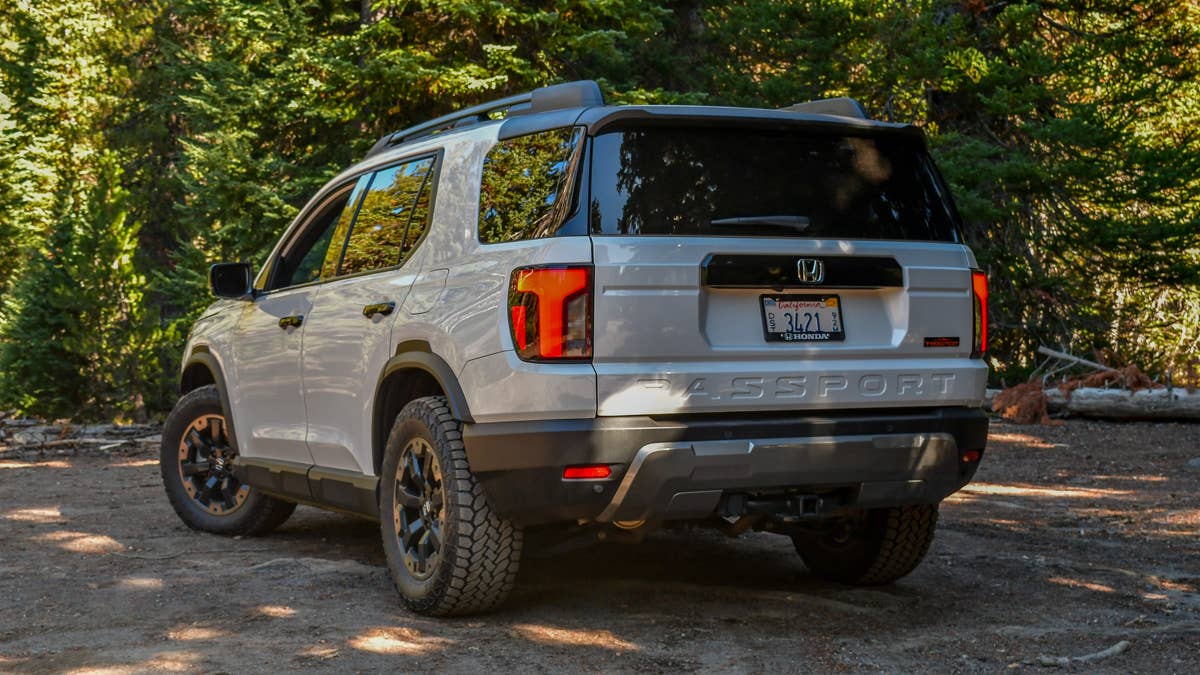
Despite this attention to detail, Honda has run into its own engine troubles. The naturally-aspirated 3.5-liter V6 engine in models like the Pilot has been subject to an NHTSA investigation and a class action lawsuit for premature failure.
Related: Honda’s Engine Reliability Reputation Takes Another Hit
Why It Matters
Kristen Brown
As legacy automakers enter the software era and look to compete with innovative Chinese brands, maintaining their legendary reliability reputations will become more challenging. If they roll out new technologies too quickly, they risk a higher number of quality issues. But being too slow to innovate isn’t the answer, either. For brands like Honda and Toyota, there’s a happy middle ground. Even so, buying a new turbocharged, hybridized vehicle with touchscreens galore may never again get you the bulletproof dependability and mechanical simplicity of a mid-2000s Camry or Civic.
Related: Toyota Vs. Honda Reliability: One Clear Winner