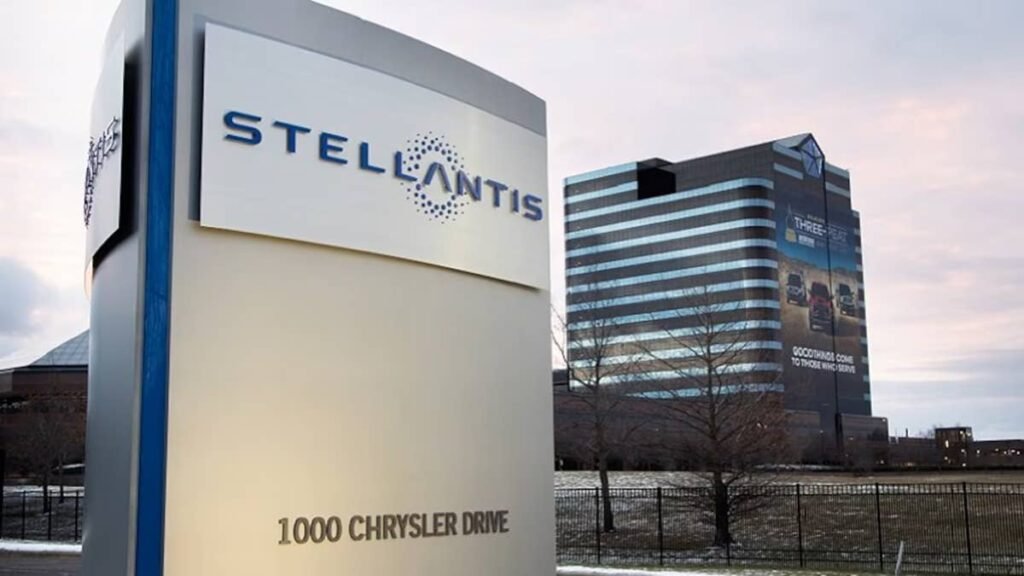
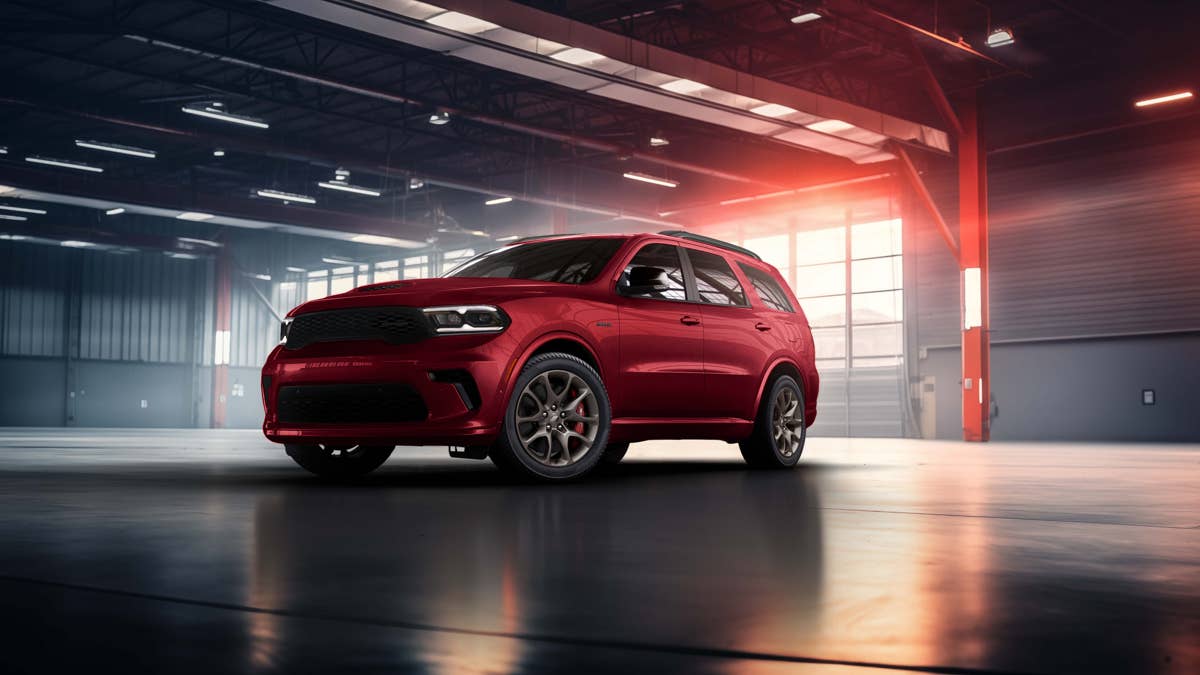
The Canadian auto manufacturing landscape just received a massive shock. According to Unifor, Stellantis is seriously considering the total closure and sale of the legendary Brampton Assembly Plant. The automaker reportedly bypassed formal written notice, instead giving the national union a devastating verbal heads-up regarding its intent to open discussions with outside buyers.
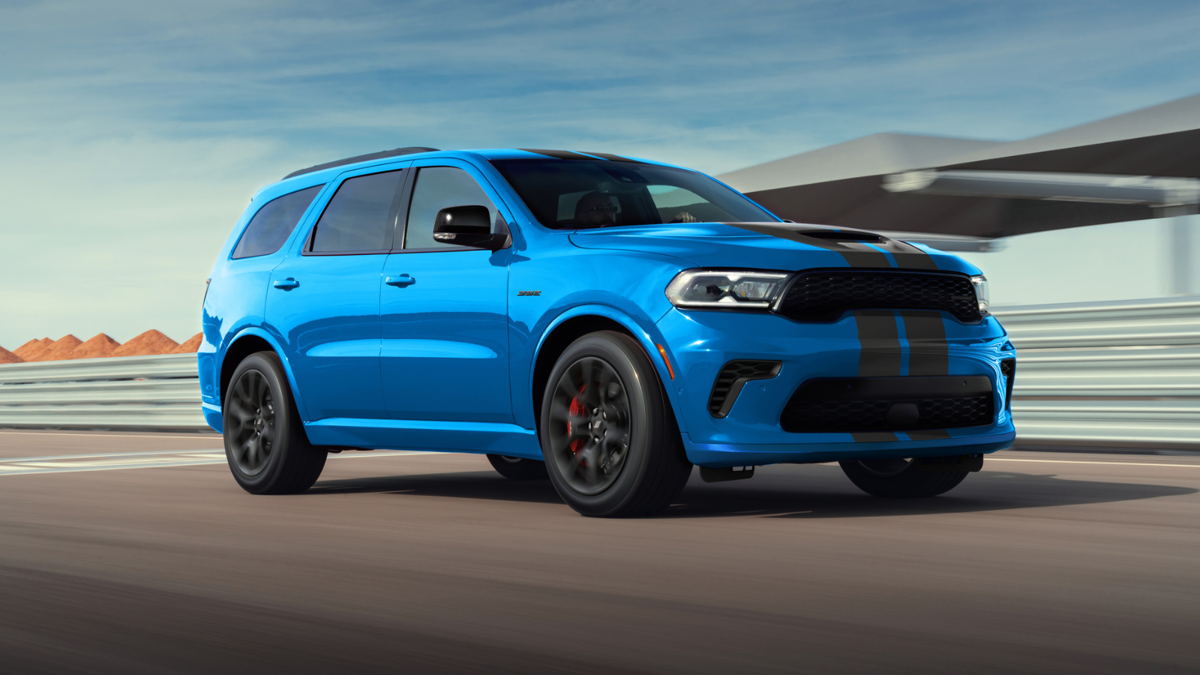
Unifor national president Lana Payne understandably called the move a massive gut punch to the dedicated workers who built the Chrysler and Dodge brands for decades. It is a wildly jarring pivot for the automaker, especially when you look at the broader regional picture. While the company celebrates a sudden surge in Dodge Charger demand fueling hiring sprees at other facilities, the 2,200 Unifor members stationed in Brampton are staring down the barrel of permanent unemployment.
Stellantis
Hints of Chinese
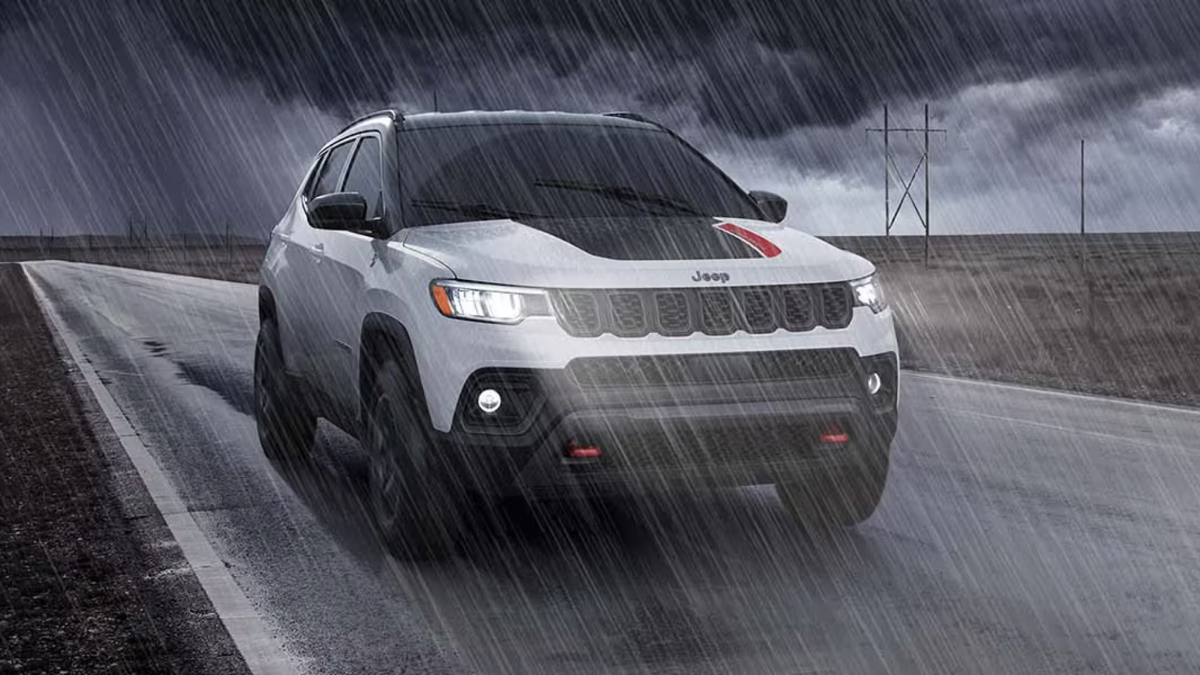
According to a report from CBC News, the writing has been on the wall for months, though nobody expected a complete liquidation of the site. Brampton was originally slated for a massive retooling to produce the Jeep Compass, a highly anticipated project that began in early 2024. However, Stellantis abruptly paused the initiative in February 2025 before announcing that Compass production would be moving stateside, effectively idling the Ontario facility indefinitely.
Now, these explosive closure threats arrive right at the precipice of crucial collective bargaining negotiations. Unifor’s current contract covering the Brampton, Windsor, and Etobicoke plants expires on September 20. Right now, idled Brampton workers survive on income security programs replacing a fraction of their wages, while local union leaders stubbornly vow that closure is simply not an option.
Local government officials are also stepping into the ring to prevent corporate sabotage. Brampton Mayor Patrick Brown has preemptively zoned the plant’s massive footprint strictly for automotive production, completely blocking Stellantis from selling the property to real estate developers. This defensive maneuver aims to keep the site viable for future manufacturing, though it remains a bitter pill considering rumors that the automaker might prioritize imported Chinese off-roaders over homegrown Canadian manufacturing.
Jeep
Canadian Line Dance
Stellantis is operating like a deeply confused conglomerate scrambling to cover up major strategic blunders. Punishing loyal Canadian workers for executive mismanagement is a terrible look, but it fits a concerning global pattern. We are already witnessing devastating Italian factory closures as the corporation’s stubborn, poorly timed electrification strategy spectacularly implodes across its luxury brands.
Instead of fixing the core product lineup, leadership seems entirely disconnected from market reality. Corporate brass is currently issuing absurd sales growth demands to frustrated dealerships, demanding massive turnaround numbers despite enduring seven consecutive years of brand decline. Selling off the Brampton plant feels less like a sustainable manufacturing solution and more like a desperate cash grab from a flailing empire.