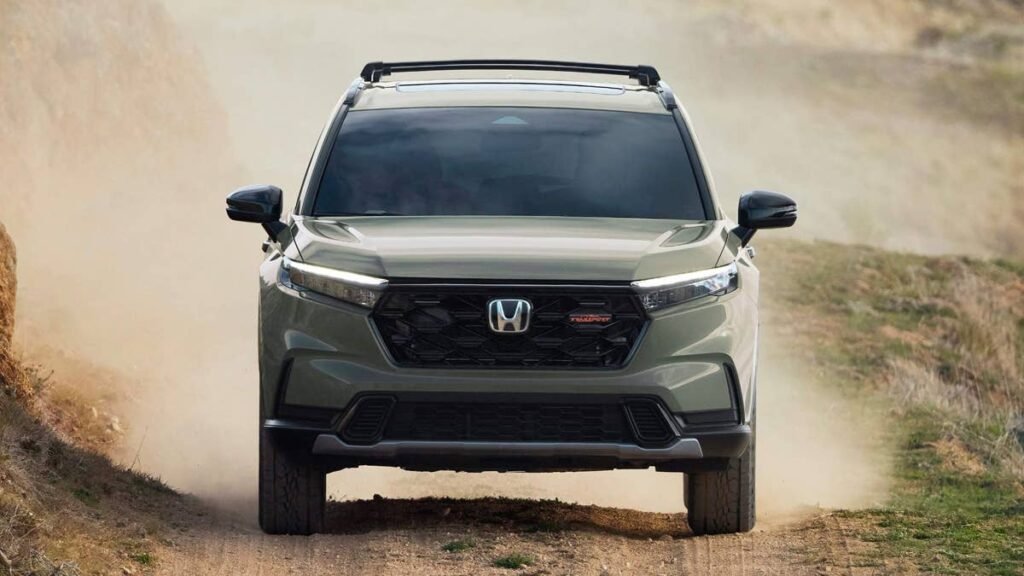
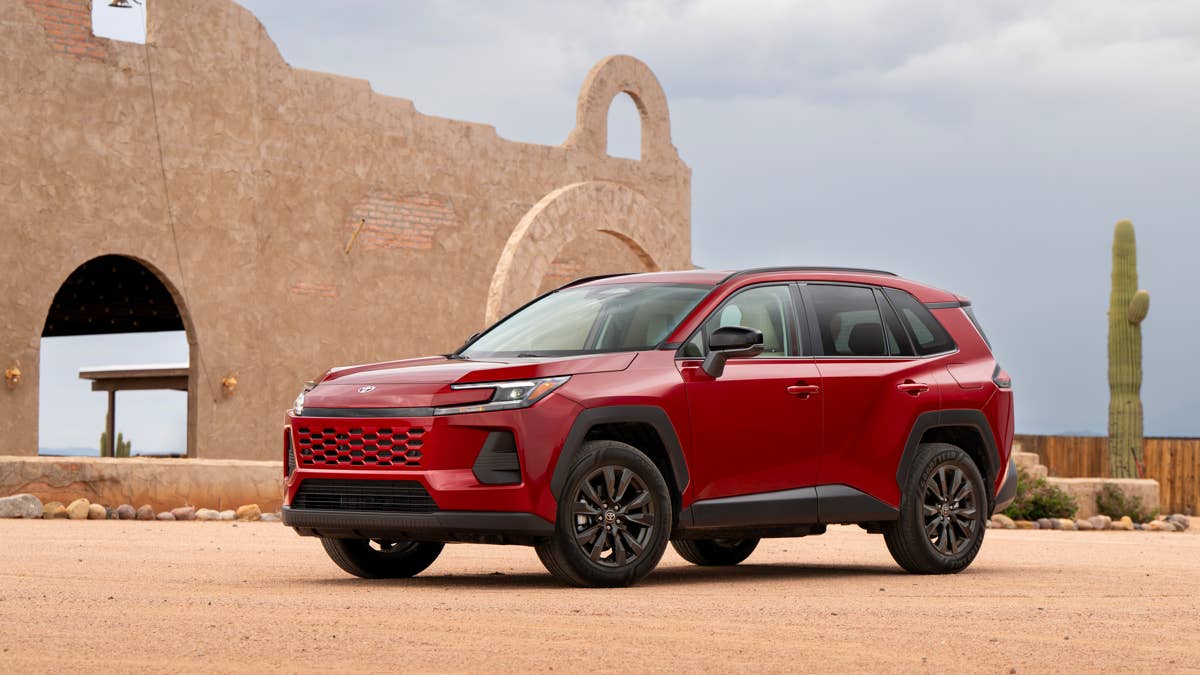
Toyota sold 34,232 RAV4s in August, down 19 percent from a year earlier, and the model’s year-to-date sales sit 32 percent below the same point in 2025. That’s an improvement from February’s low of just 16,098 units, but it still leaves the RAV4 in roughly eighth place on the overall 2026 sales charts — a stunning fall for a nameplate that’s led America’s non-pickup segment for close to a decade.
Toyota
A Redesign That Outran Toyota’s Own Factories
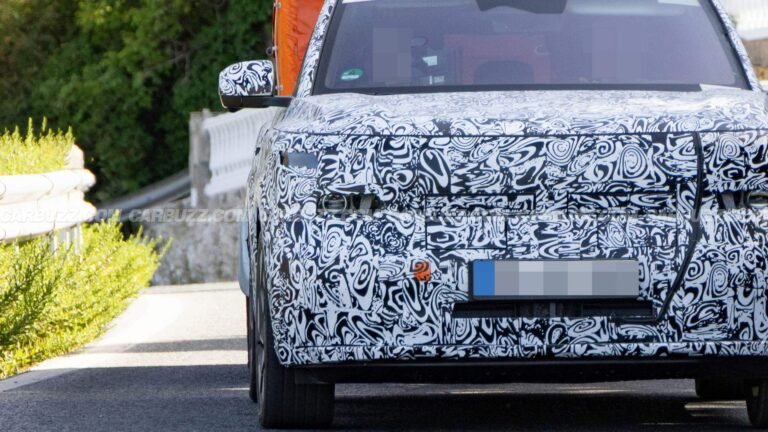
The root cause isn’t demand — it’s the sixth-generation RAV4 itself. Toyota’s move to a hybrid-and-PHEV-only lineup required retooling plants across North America and Japan, and the transition ran long enough that Toyota has since admitted the shortage will cost it nearly 55,000 US sales this year. With supply that tight, Toyota also hasn’t needed to discount: RAV4s sold for an average of just $329 under sticker in the second quarter, according to Edmunds, a pattern Autoblog has tracked since early in the launch.
Honda Didn’t Have To Do Much
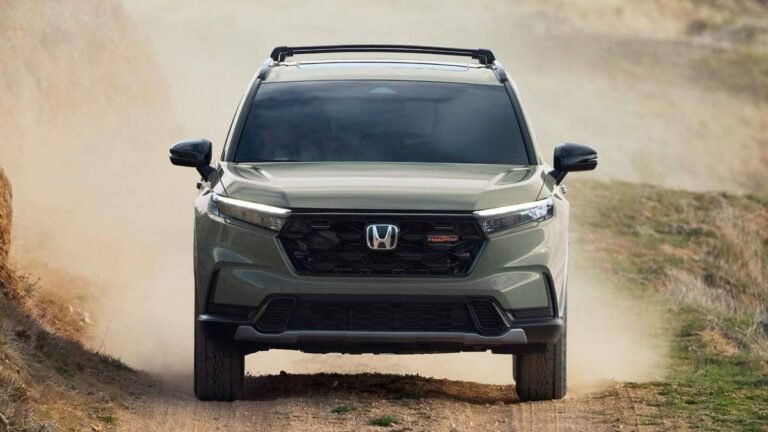
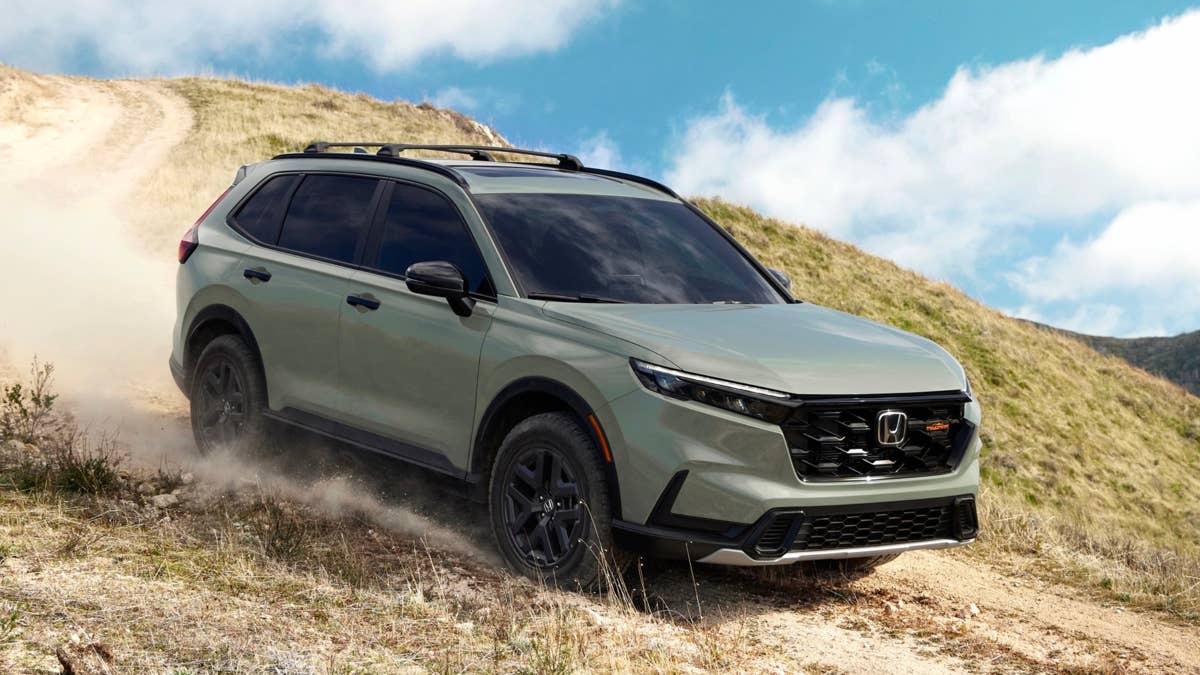
Against that backdrop, the CR-V’s rise looks less like a Honda masterstroke and more like an open lane. August CR-V sales climbed 10 percent year-over-year to 37,607 units, pushing its 2026 total to 302,056 — up 8.3 percent on the year and on pace for roughly 443,000 by December. CR-Vs also sold for $1,302 under sticker in the same quarter, giving Honda dealers real room to move metal while Toyota’s lots stayed thin. It’s enough to put the RAV4 outside the top-selling non-pickup conversation entirely for the first time in years, a shift no amount of CR-V refinement alone would have produced this fast.
Honda
The last time the CR-V outsold the RAV4 over a full year was 2016. Whether 2026 ends the same way depends entirely on how quickly Toyota’s Kentucky and Canadian plants can catch up — not on anything Honda still needs to do.