GM Isn’t Giving Up on EVs Just Yet
When it comes to the push for electric vehicles, General Motors is one of the automakers that bet big on an all-electric future. However, the company has since adjusted its strategy, pulling back on some of its EV ambitions and placing renewed emphasis on hybrids and gasoline-powered models.
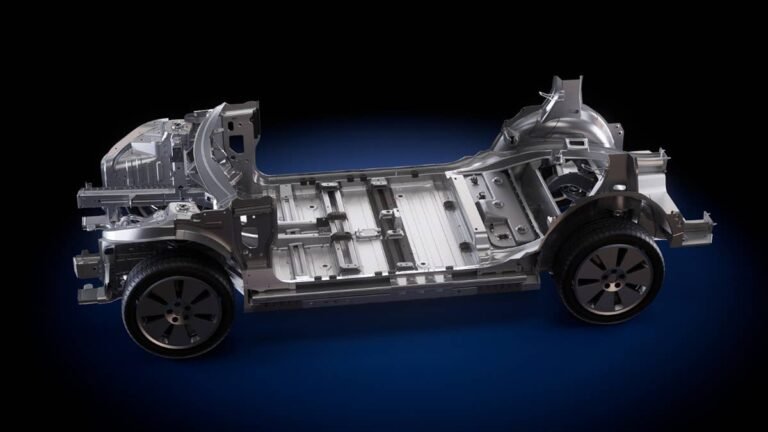
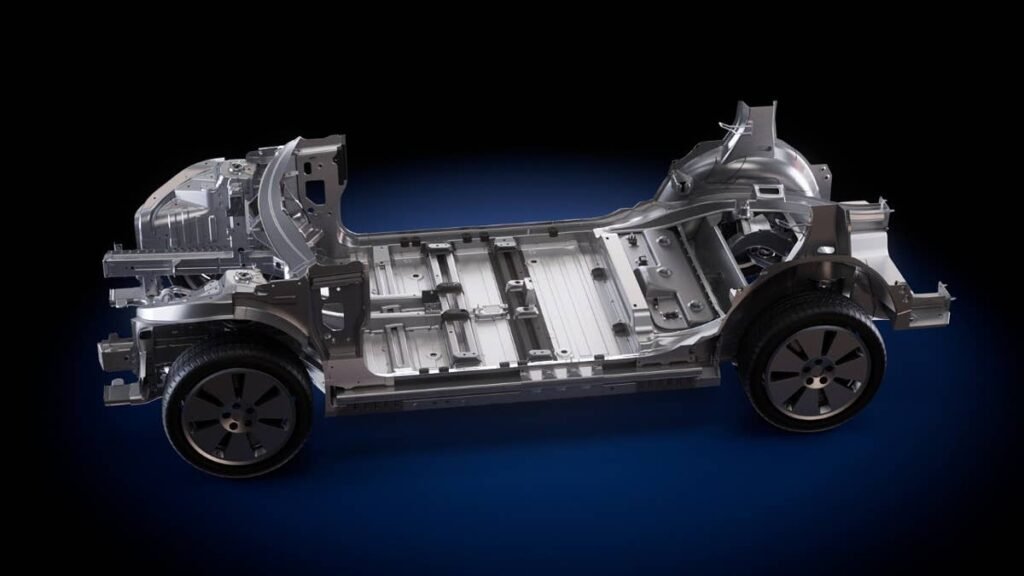
That change might suggest GM is losing confidence in its electric future, but that isn’t quite the case. The company has now revealed the blueprint for its fourth-generation EV platform, outlining a series of engineering changes intended to make its future electric vehicles more efficient, affordable, and easier to build.
The project includes some impressive figures, but they are development targets and early engineering results, not proof that buyers will see equivalent gains in showroom-ready vehicles.
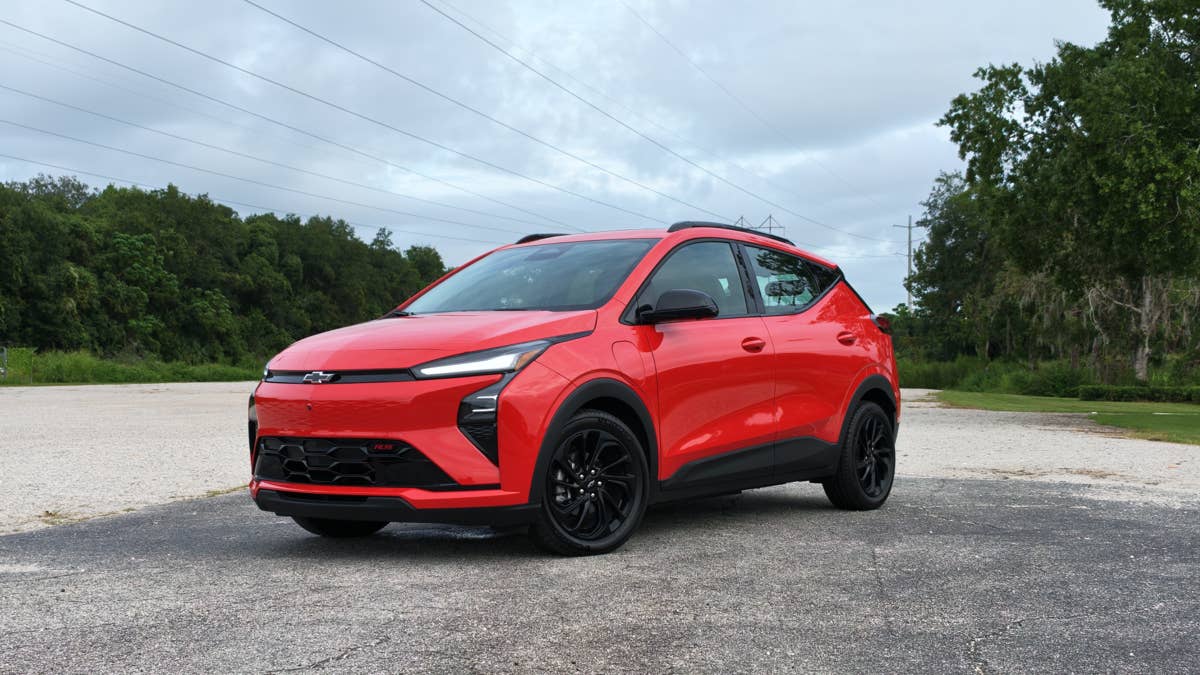
Jared Levenson/Autoblog
A New Battery and Simpler Hardware
The biggest development is GM’s planned use of lithium manganese-rich (LMR) prismatic battery cells, produced through its Ultium Cells joint venture with LG Energy Solution in Spring Hill, Tennessee. GM says the chemistry is designed to deliver 33% greater energy density than lithium iron phosphate (LFP), a battery type commonly associated with lower-cost EVs.
In theory, that could allow GM to fit a smaller, lighter battery pack while maintaining competitive driving range. The company also says LMR batteries could cost about the same as LFP, potentially helping it bring more affordable electric vehicles to market.
GM claims its fourth-generation platform could deliver around 20% more range per kilowatt-hour than its current EVs. That improvement comes from combining the battery chemistry with more efficient electric drive units and better aerodynamics, rather than relying on a single component to do all the work.
The company is also simplifying its hardware. Its new electric motors and power electronics are expected to reduce the number of components inside each drive unit by 40%. Meanwhile, a revised electrical architecture will use 30% less wiring and fewer control modules.
There’s a software angle, too. GM says its new centralized computing hardware will offer 40 times more processing power for AI-enabled features, potentially supporting more responsive infotainment systems, energy management, and future improvements to Super Cruise.
All those numbers sound great, but the real test is whether any of these promises survive the jump from the lab to the real world. Battery life, production costs, sticker prices, and what happens when you actually drive them will decide whether GM’s new platform is the real deal.

Building EVs Faster
Beyond the vehicles themselves, GM is changing how it develops and manufactures them. The automaker says its new engineering process allows designers, engineers, and manufacturing teams to work together earlier, testing numerous configurations before committing to physical components.
GM expects this approach to cut the traditional five-year vehicle development timeline in half. It has also used computer modeling to evaluate more than 300,000 LMR battery designs before building a physical prototype.
At its battery-pack assembly facilities, GM says similar digital manufacturing tools have already helped speed up the production process by 30%. The fourth-generation architecture will also allow vehicles to check electrical connections as they move down the assembly line, potentially eliminating a separate validation step.
These changes could help GM reduce development time and manufacturing expenses, although the company hasn’t provided a firm launch date or detailed production schedule for its fourth-generation EVs in the announcement.
Right now, it’s all just a list of engineering goals, not something you can actually buy. GM has shared the tech and its reasons for optimism, but we’re still waiting on the big stuff: prices, real-world range, and when these cars will actually show up.
|
GM’s Promise |
|
|
Energy efficiency |
Around 20% more range per kWh |
|
Battery energy density |
33% greater energy density than LFP batteries |
|
Battery cost |
LMR batteries designed to cost about the same as LFP |
|
Electric drive units |
40% fewer components in motors and power electronics |
|
Electrical architecture |
30% less wiring and fewer control modules |
|
Computing power |
40 times more processing power for AI-enabled features |
|
Vehicle development |
Cut the traditional five-year development timeline in half |
|
Battery development |
Evaluated more than 300,000 battery designs virtually before physical prototyping |
|
Factory production |
30% faster battery-pack assembly using digital manufacturing tools |
|
Electrical validation |
Test electrical connections during assembly, potentially eliminating a separate final validation step |